Best Handles to Update Resprayed Cabinets

Best Handles to Update Resprayed Cabinets

A kitchen can be beautifully resprayed and still feel slightly unfinished if the handles are wrong. The best handles to update resprayed cabinets are the ones that work with the new finish, suit the shape of your doors and drawers, and make the room feel intentionally redesigned rather than simply refreshed.

That is why handles deserve more attention than they usually get. On a resprayed kitchen, they are not a minor extra. They are one of the few visible details you touch every day, and they can either lift the whole look or pull it backwards.

Why handles matter so much after respraying

When cabinets are resprayed, the colour and finish become cleaner, sharper and more consistent. Old handles can suddenly look tired against that fresh surface, even if they seemed perfectly acceptable before. A glossy new sprayed door has a way of showing up dated chrome arches, ornate brass knobs or bulky timber pulls that no longer fit the style of the room.

There is also a practical side. If you are changing from one handle size to another, existing fixing holes may need to be considered carefully. In some kitchens, keeping the same drilling centres makes the update simpler and more cost-effective. In others, changing the handle format completely is worth it for a stronger result. It depends on the age of the cabinetry, the door style and how dramatic you want the transformation to feel.

Best handles to update resprayed cabinets by style

The right handle style depends on the cabinet design as much as the paint colour. Flat slab doors, shaker kitchens and more traditional in-frame styles all respond differently.

Bar handles for a clean, modern finish

Bar handles remain one of the safest and strongest choices for resprayed cabinets, especially in contemporary kitchens. They give a neat, structured look and suit plain doors particularly well. If your cabinets have been resprayed in white, cashmere, greige, light grey or navy, a simple bar handle often looks crisp without trying too hard.

They are also easy to live with. Good-quality bar handles feel solid in the hand and tend to suit larger drawers well. The only caution is proportion. A bar that is too short can look mean on a wide drawer front, while one that is too long can dominate smaller cupboard doors.

Cup handles for classic shaker kitchens

If your resprayed kitchen leans more traditional, cup handles can work beautifully on drawers. They are especially effective on shaker cabinetry in heritage tones such as sage, cream, graphite or muted blue. They add character without making the kitchen feel fussy.

Cup handles are usually best paired with a simple knob or matching pull on doors. That combination has a timeless feel and works well in period homes as well as newer houses looking for a softer, more established style.

Knobs for simplicity and flexibility

Knobs are often overlooked, but they can be one of the best handles to update resprayed cabinets when you want a straightforward change with minimal visual clutter. They suit smaller kitchens well because they keep the eye moving rather than creating too many horizontal lines.

They are also useful when existing holes limit your options. If older handles have left awkward spacing, a knob can sometimes be the cleanest fix. The trade-off is practicality on wider drawers, where a single knob may not feel as comfortable as a pull handle.

T-bar and modern edge pulls

For a more design-led finish, T-bar handles and edge pulls can look excellent on resprayed cabinets. T-bars bring a sharper, architectural feel and tend to suit darker colours particularly well. Edge pulls are even more minimal and work best in sleek, contemporary kitchens where you want the cabinetry to feel understated.

These options look polished, but they are less forgiving. Every line is more noticeable, so sizing and alignment need to be exact. In a family kitchen, it is also worth checking how comfortable they feel in daily use before committing.

Choosing the right finish for your new handles

Handle finish changes the mood of a kitchen just as much as the shape does. This is where many homeowners get stuck, because several finishes can work well in theory.

Brushed brass for warmth

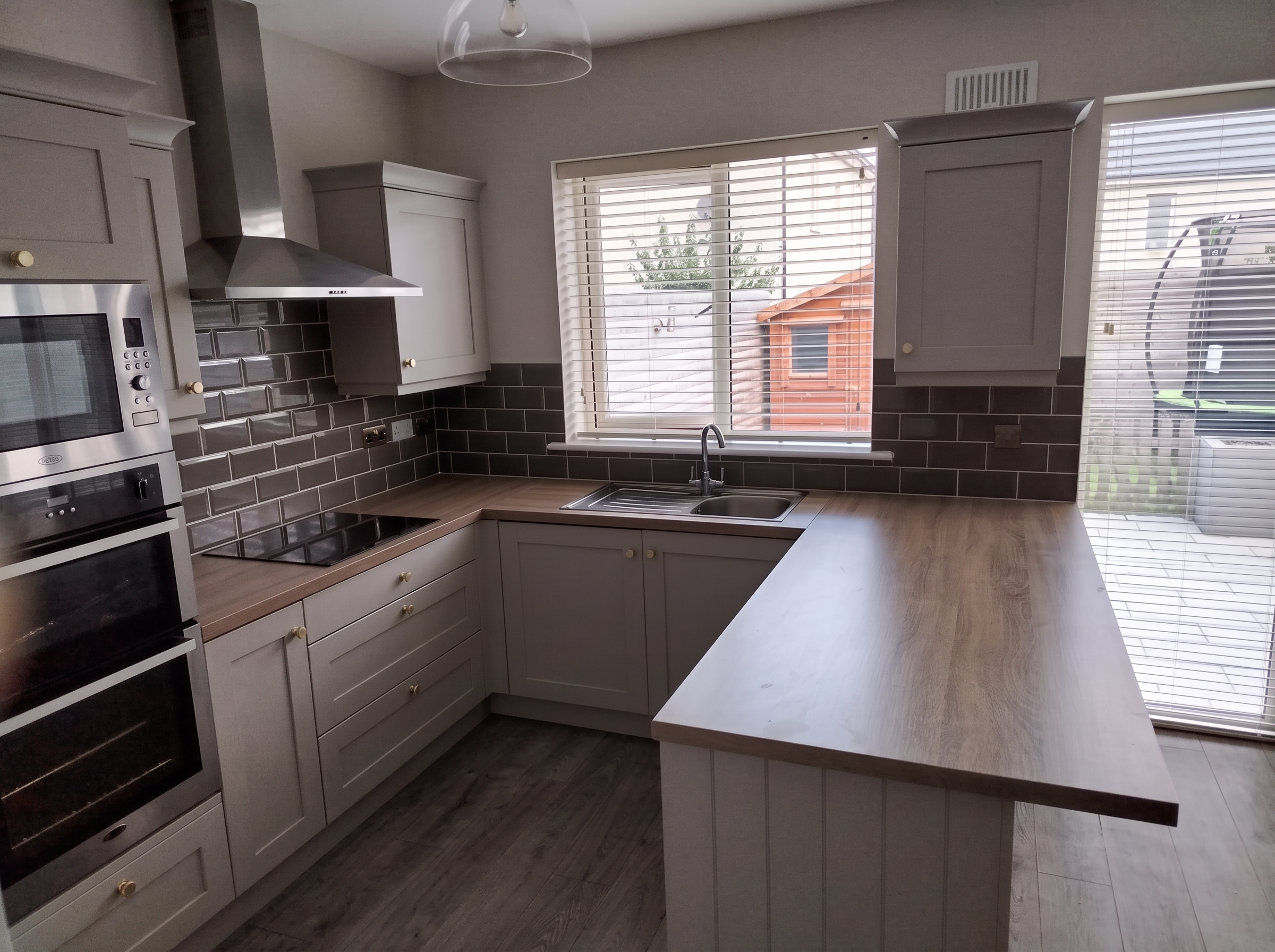
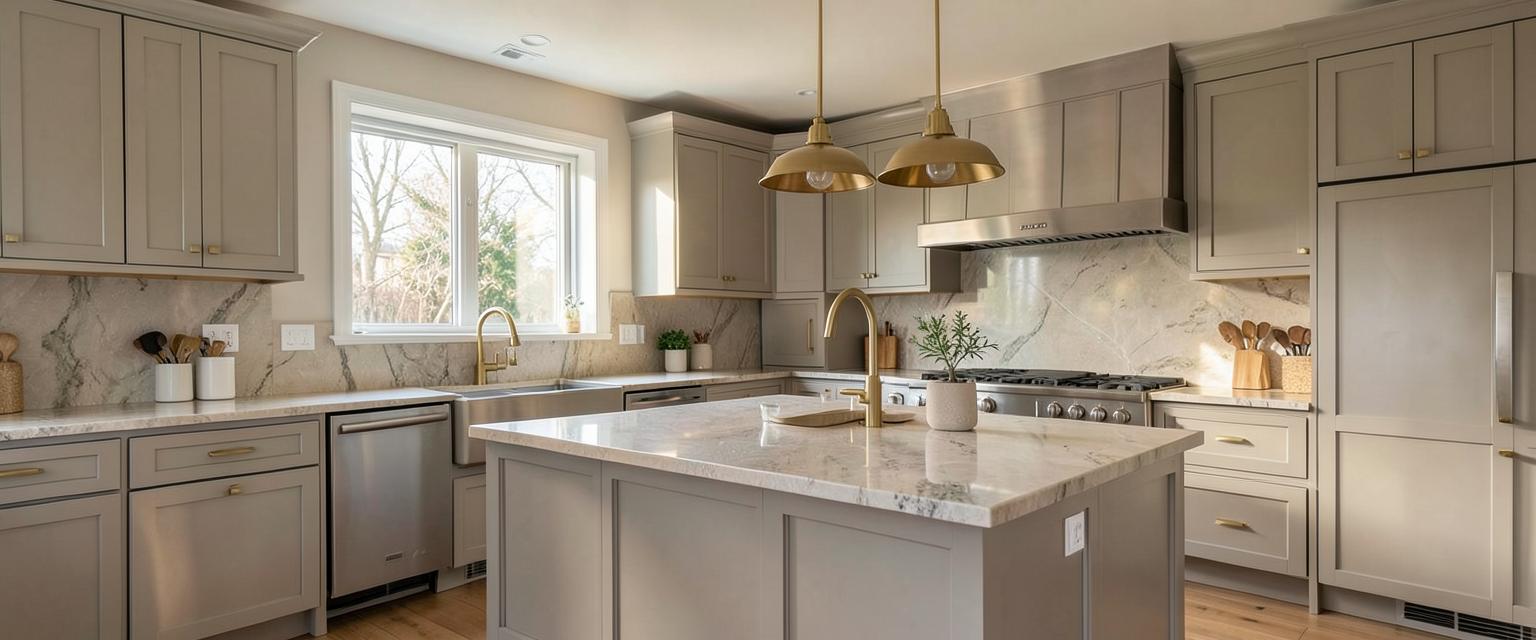
Brushed brass has become a popular choice for good reason. It brings warmth to painted cabinetry and gives lighter resprayed colours a more premium feel. On dark greens, deep blues and charcoal shades, it can look particularly striking.

That said, brass is not automatically the right choice for every kitchen. In a very cool-toned space with grey floors, stainless appliances and bright white walls, it can sometimes feel disconnected unless repeated elsewhere through lighting or taps.

Matt black for contrast

Matt black handles create definition. They stand out against white, cream, taupe and pale grey cabinets and give a strong contemporary edge to shaker doors. For homeowners who want the kitchen to feel updated without becoming trendy, matt black is often a reliable middle ground.

The main consideration is maintenance. Lower-quality black finishes can mark or wear more visibly over time, especially on the busiest cupboards.

Stainless steel and brushed nickel for balance

If you want something timeless and easy to coordinate, stainless steel or brushed nickel is hard to fault. These finishes suit most cabinet colours and sit comfortably alongside common appliances. They are less dramatic than brass or black, but that can be an advantage in kitchens where you want the resprayed finish to take centre stage.

Antique or aged finishes for character

In farmhouse or more traditional homes, aged pewter, antique brass or weathered iron can add real depth. They work best when the cabinetry has some detail and the overall scheme already has warmth and texture. On a very sleek resprayed kitchen, they can feel out of place.

The sizing detail that changes everything

Even the best-looking handle can disappoint if the scale is wrong. This is one of the most common mistakes after cabinet respraying.

Longer drawer fronts usually need longer pulls. Small knobs on wide pan drawers can make the kitchen feel under-finished, while oversized handles on narrow doors can look clumsy. There is no single formula that suits every layout, but visual balance matters.

It is also worth thinking about hand feel, not just appearance. A handle should be comfortable to grip, especially on integrated bin drawers, corner units and heavily used cupboards. Professional-looking kitchens are often the result of these quieter decisions rather than bold styling alone.

Matching handles to popular resprayed cabinet colours

Some pairings are consistently effective. White or off-white cabinets work with almost anything, but black, nickel and brass tend to give the clearest direction. Sage green looks excellent with aged brass, brushed nickel or black depending on whether you want soft, classic or modern. Navy cabinets suit brass particularly well, though stainless steel gives a cleaner, less decorative finish.

Greige and taupe are more nuanced. They can shift warm or cool depending on the light, so handle finish should be tested in the room rather than chosen from memory. In many Dublin homes, natural daylight changes noticeably across the day, which can alter how both paint and metal appear.

Should you keep the same handle positions?

Sometimes yes, sometimes no. If the existing holes are well placed and the current style simply feels dated, replacing like-for-like in a better finish can be sensible. It keeps costs down and avoids unnecessary filling and redrilling.

But if the old handle positions are making the kitchen look older, keeping them may limit the final result. For example, switching from tiny centred knobs to longer modern pulls can make resprayed cabinets feel like a completely different kitchen. Where the visual improvement is significant, the extra work is often worthwhile.

A trusted respray specialist will usually advise on this early, because handle planning should happen before the final finish is completed, not after.

What tends to work best in real homes

In practice, the best handles to update resprayed cabinets are usually the ones that strike a balance between style and restraint. Homeowners often get the best result by choosing a handle that sharpens the look of the kitchen rather than competing with it.

For modern kitchens, that usually means bar handles, T-bars or edge pulls in black, brushed nickel or stainless steel. For shaker and more classic kitchens, cup handles, plain pulls and well-proportioned knobs in brass, pewter or nickel are consistently strong choices.

At Dublin Kitchen Respray, we often find that the most successful kitchens are not the ones with the boldest hardware, but the ones where every detail feels considered. A fresh sprayed finish already does a lot of the heavy lifting. The handle simply needs to complete the story.

If you are updating resprayed cabinets, trust your eye but be practical. The right handle should look right from across the room and feel right in your hand every morning. That is usually the detail that turns a good refresh into a kitchen that feels genuinely new.

Leave a Comment

Your email address will not be published. Required fields are marked *

Recent Posts