
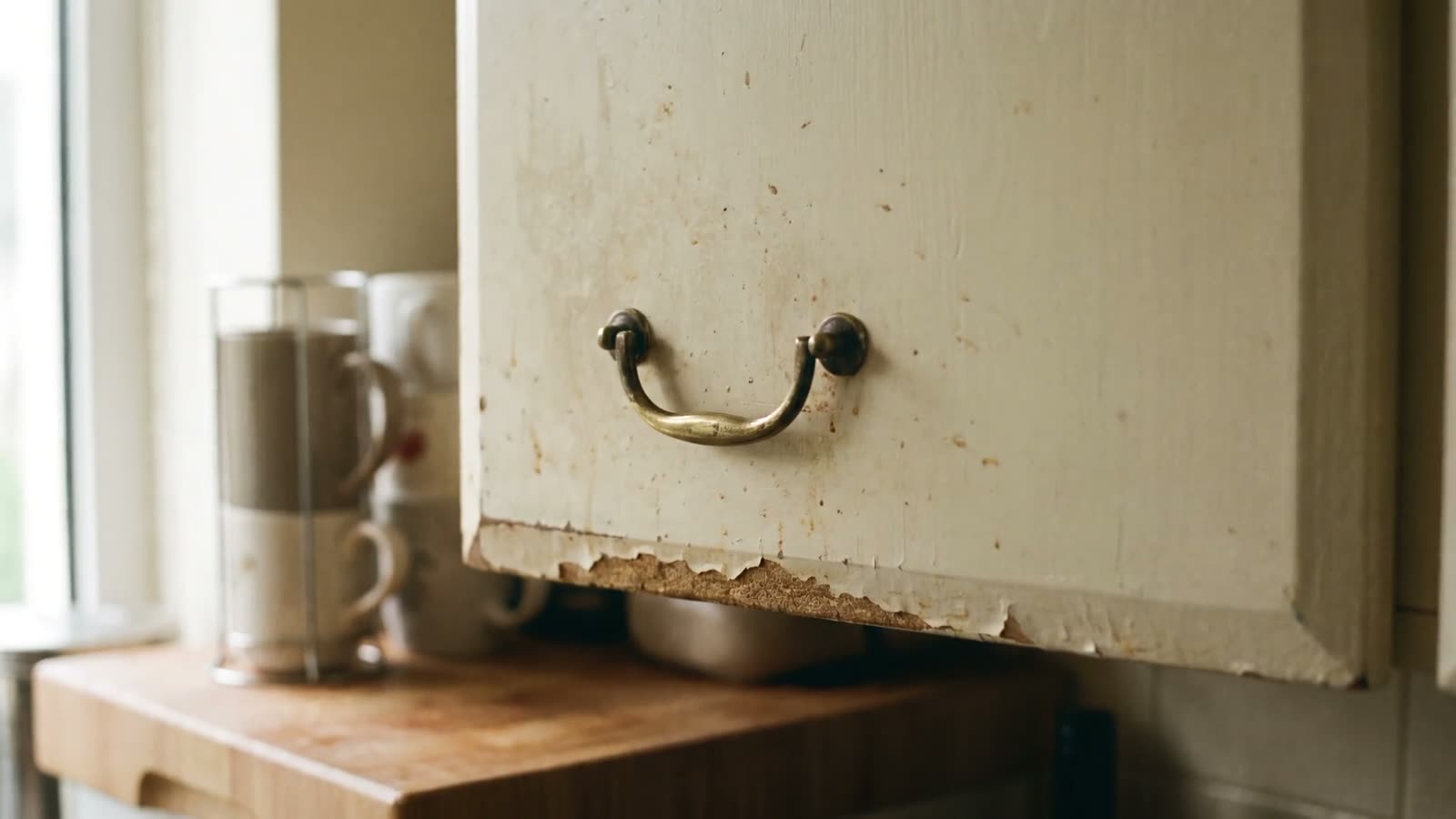
Kitchen respray specialists, Dublin
Professional Kitchen Respray Services in Dublin
Don't Replace. Respray!
Your kitchen does not need a full replacement to look brand new. By respraying, you can transform tired cabinets, doors, and surfaces into a stylish and modern space. We provide expert kitchen respray services in Dublin. We help homeowners upgrade their kitchens quickly, without the mess and high cost of traditional renovations.
What is a kitchen respray in Dublin?
A kitchen respray is a professional spray finish applied to your existing cabinets, doors and surfaces, so the kitchen looks new without being replaced. Dublin Kitchen Respray is a kitchen respray Dublin specialist based in Kinsealy, north Dublin. Most kitchens are finished in 1 to 3 days and cost between €700 and €3000, around 70 percent less than a new kitchen. We cover Dublin, Meath, Kildare, Louth and Wicklow.
See the full price guide · Read our 78 reviews
Kitchen respray areas we cover
SwordsMalahideClontarfBlanchardstownTallaghtRathfarnhamLucanSandyfordHarold's CrossBallyfermotMeathKildareWicklowAll areas
The transformation
The same kitchen, quietly transformed
Drag the handle to see the difference a respray makes. No rip out, no new units, no weeks without a kitchen.
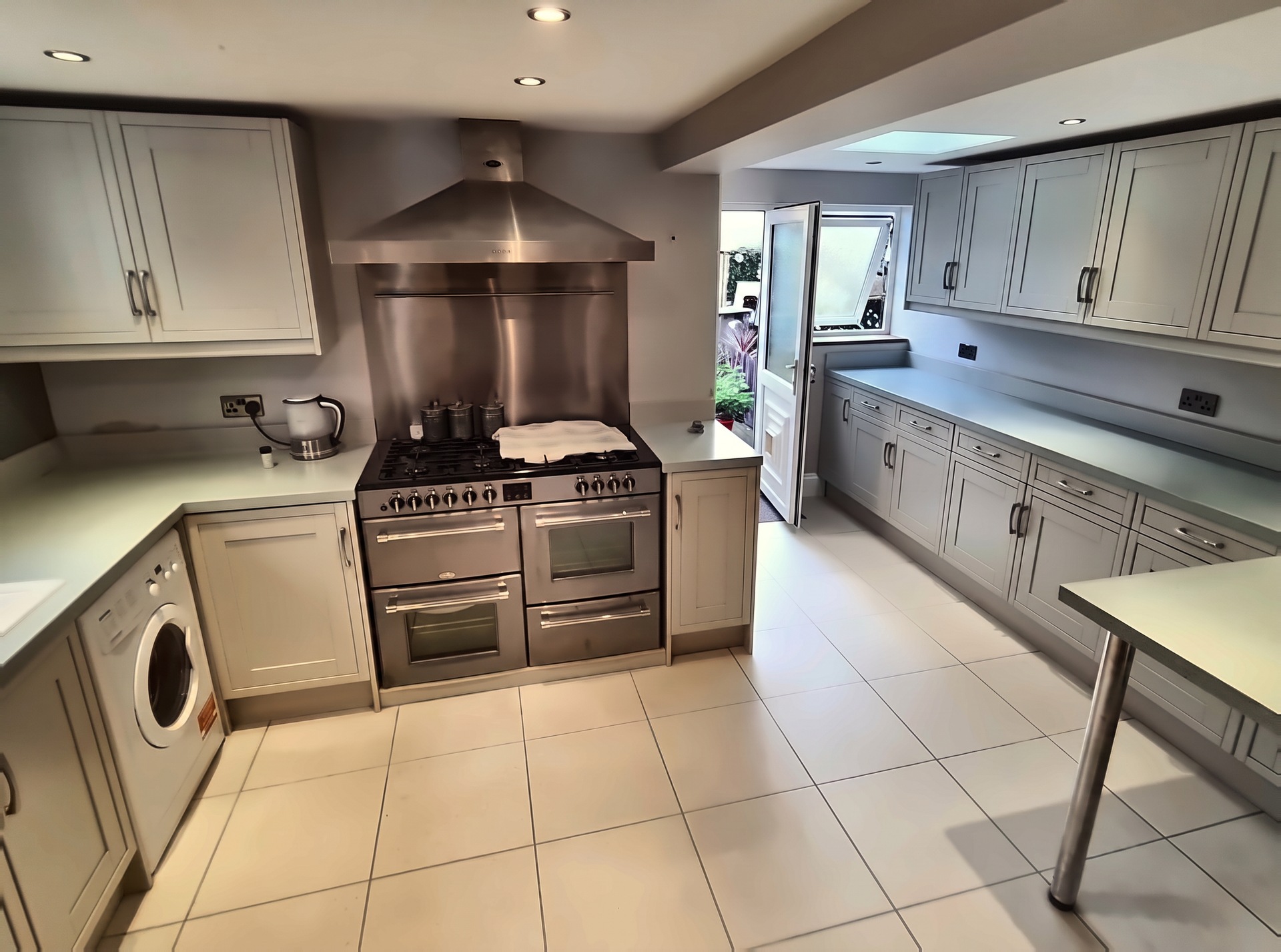
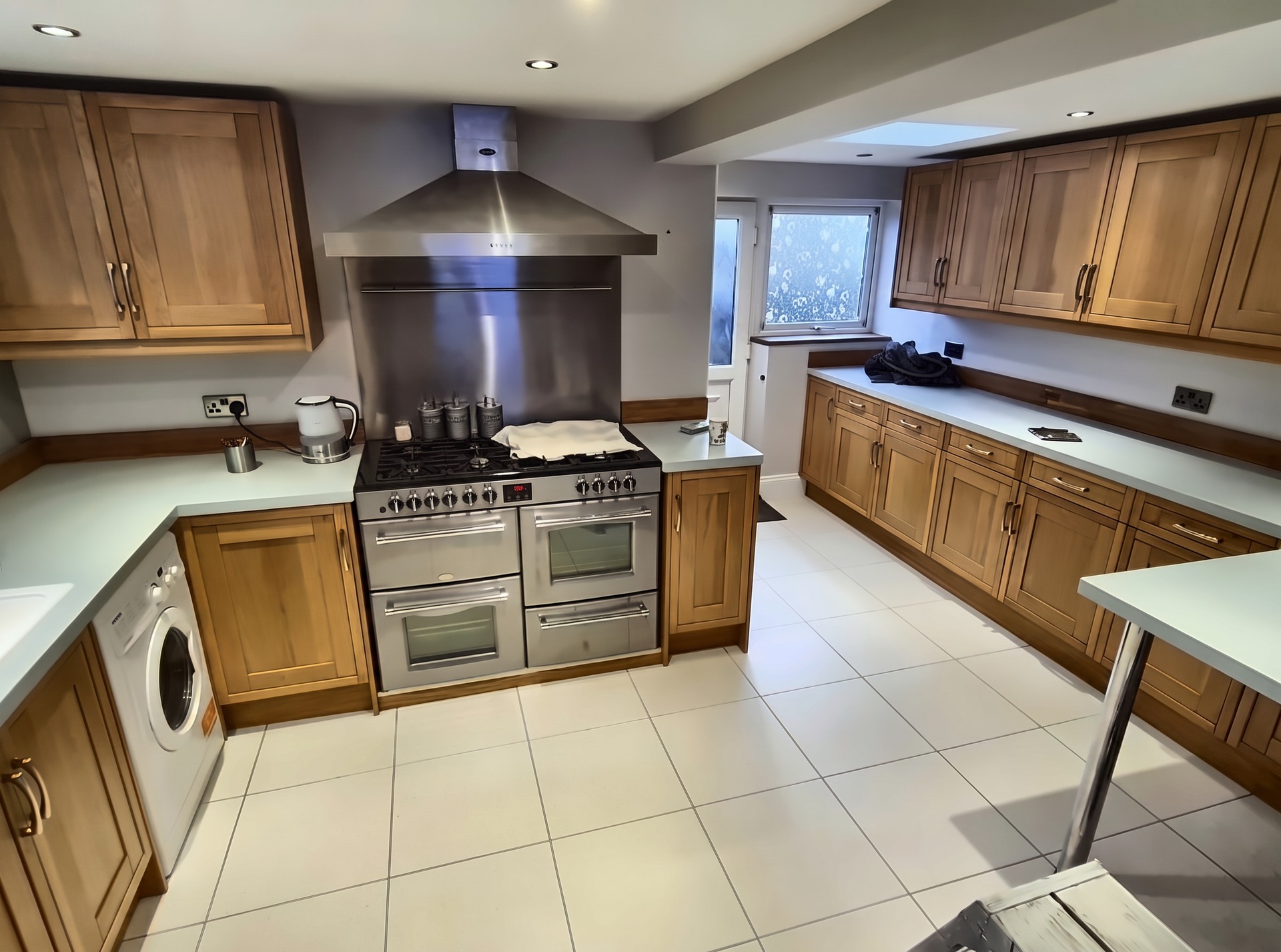 BeforeAfter
Our Services
Professional Kitchen Respray & Home Upgrade Services in Dublin
We provide a range of services to improve your home without major disruption. Each service focuses on quality, durability, and visual appeal.
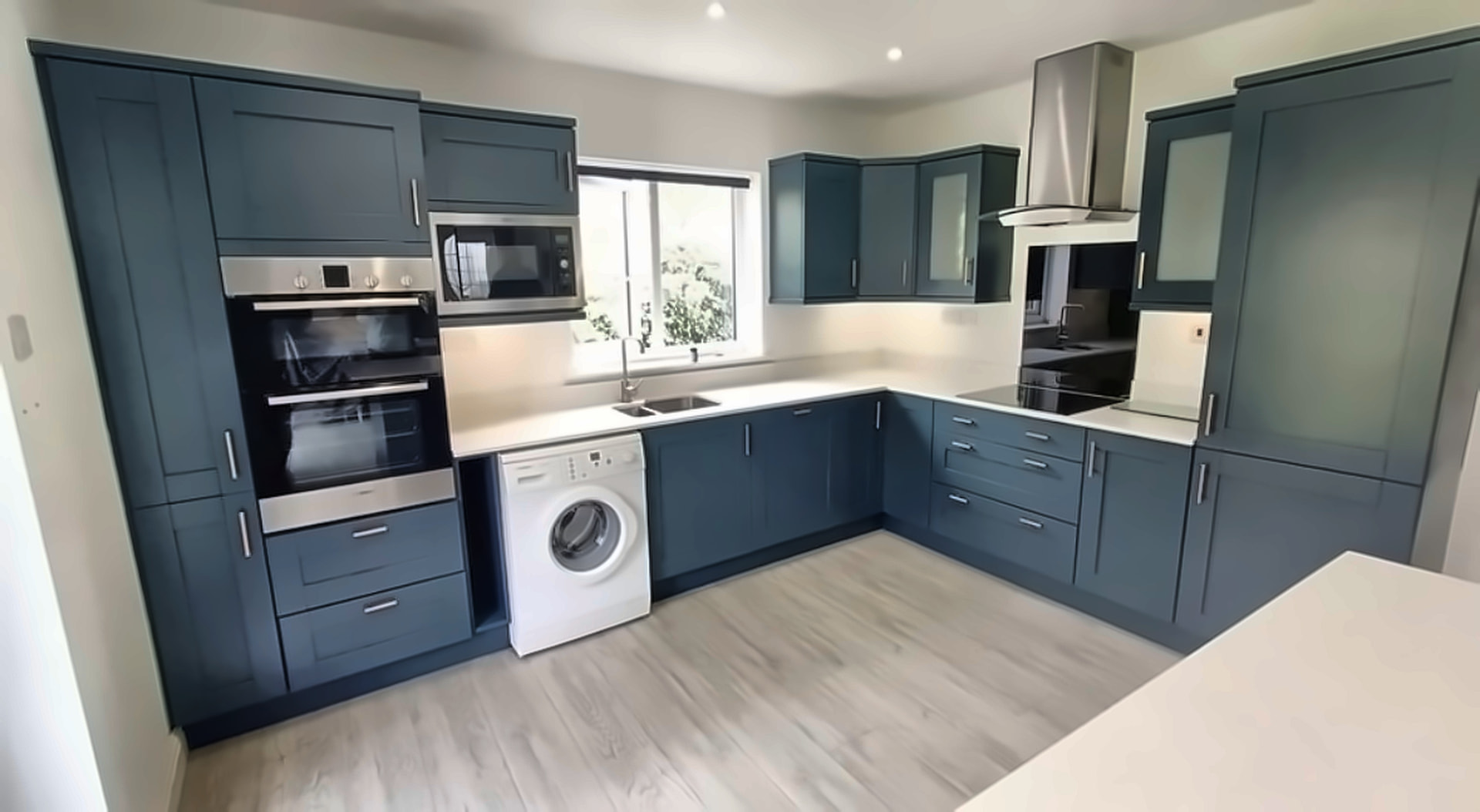
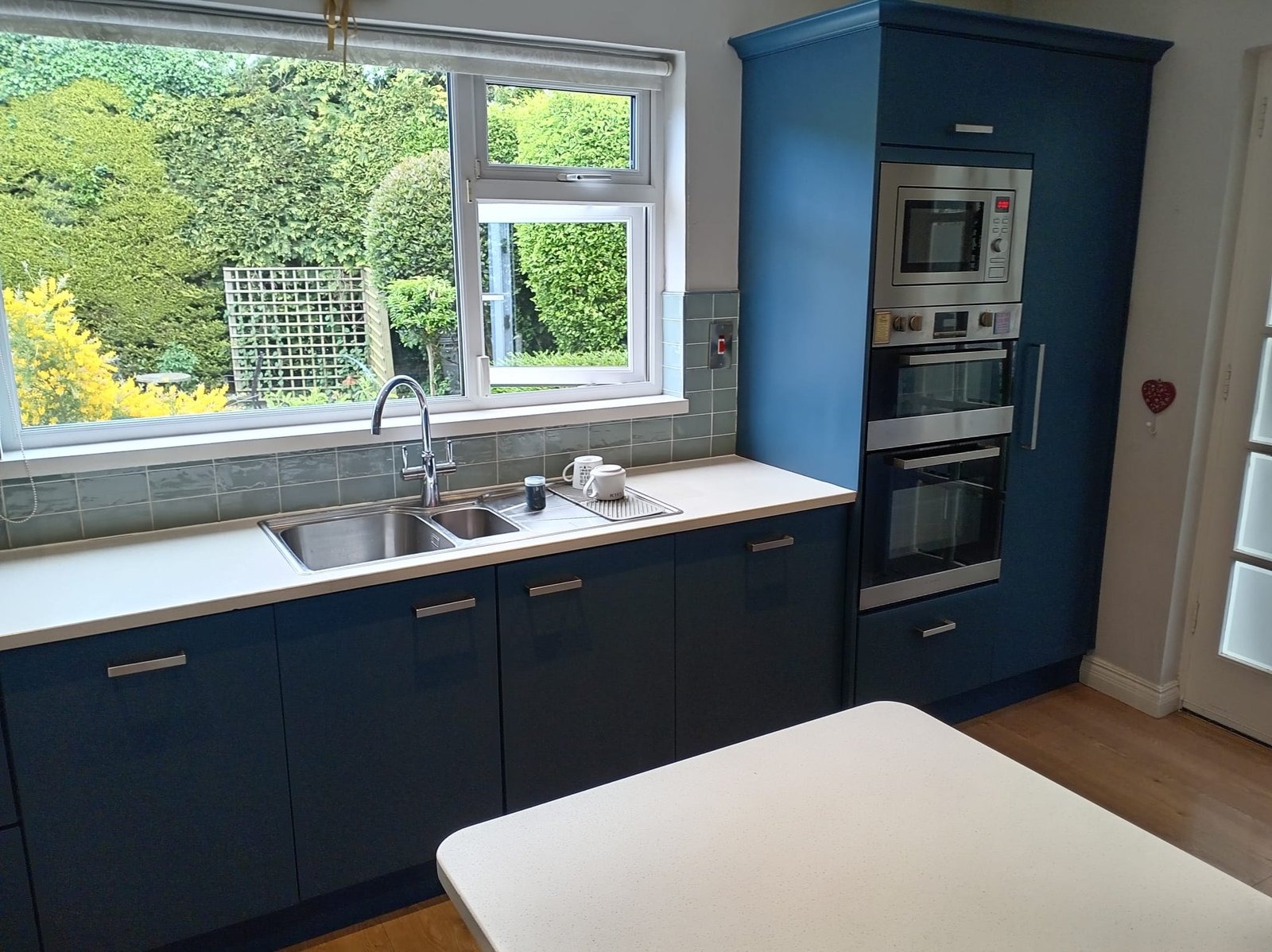
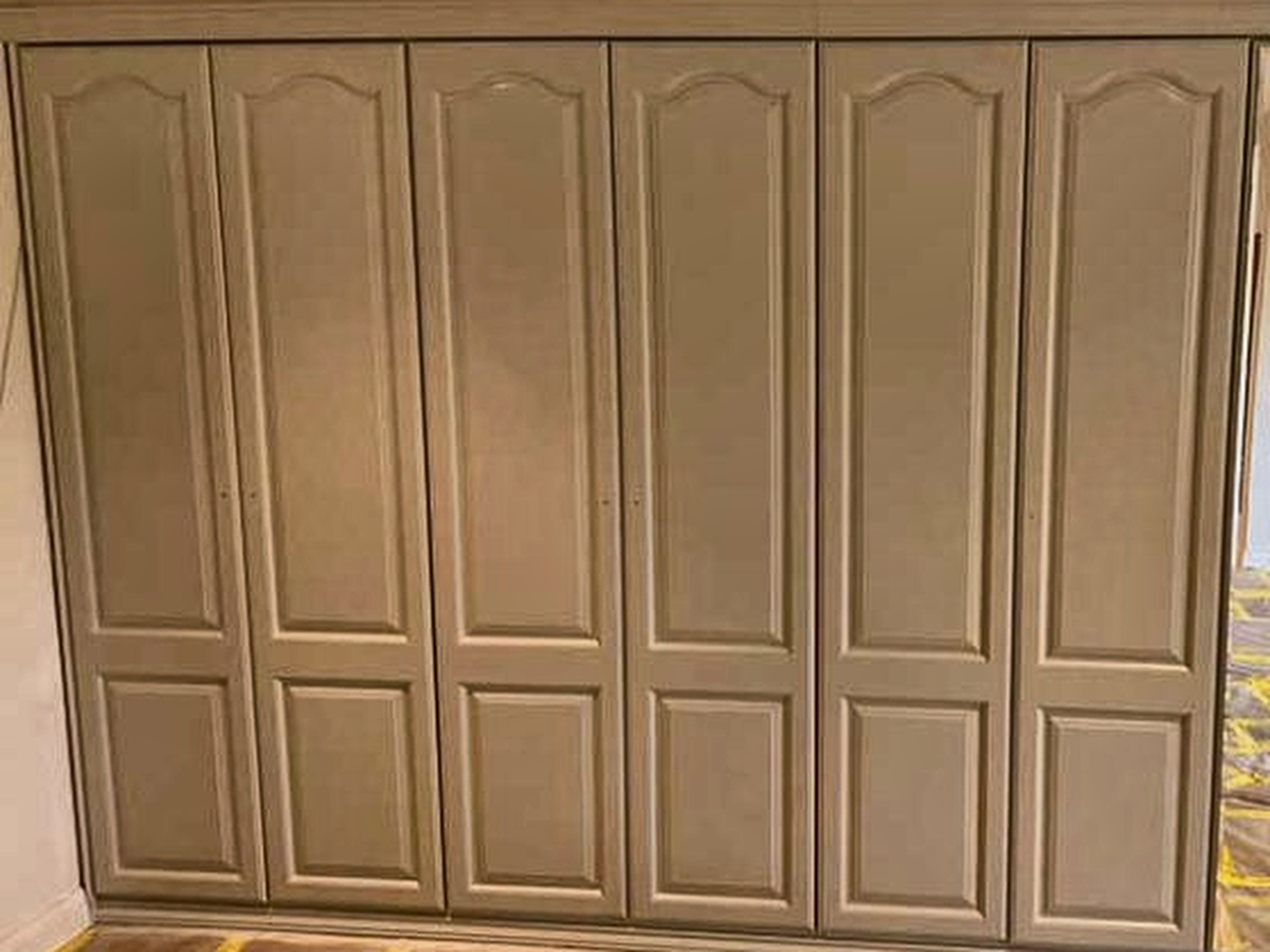
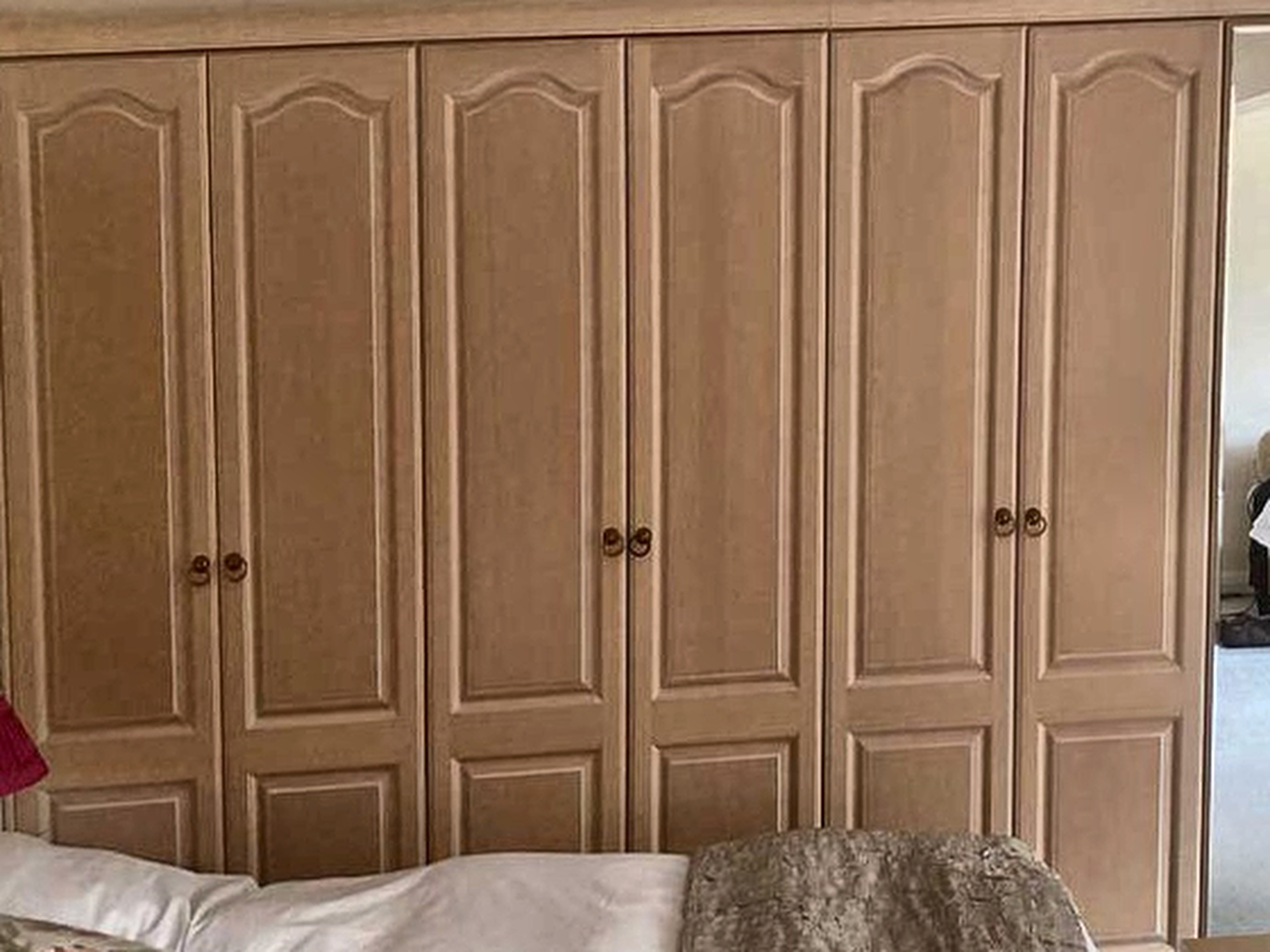
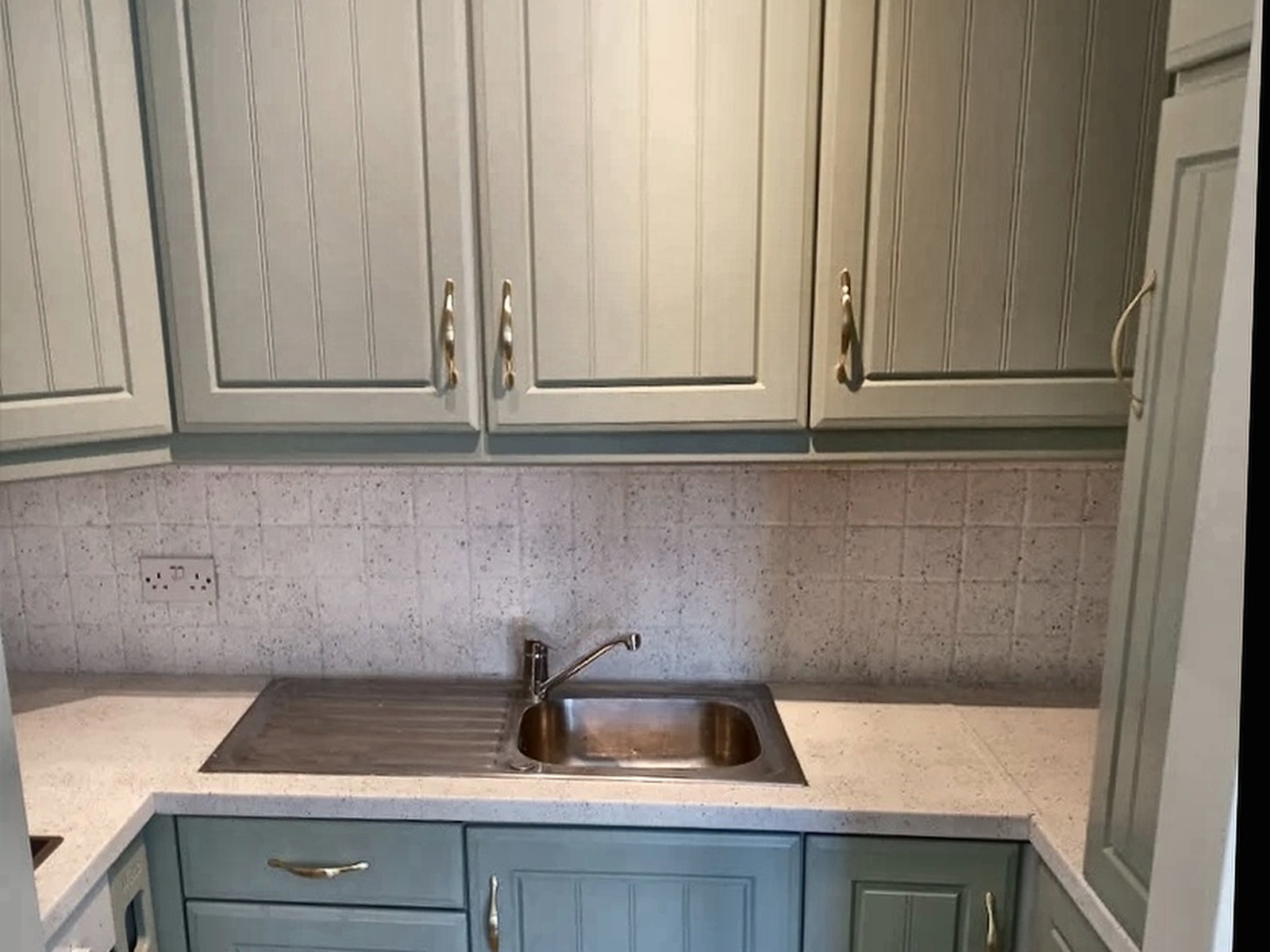
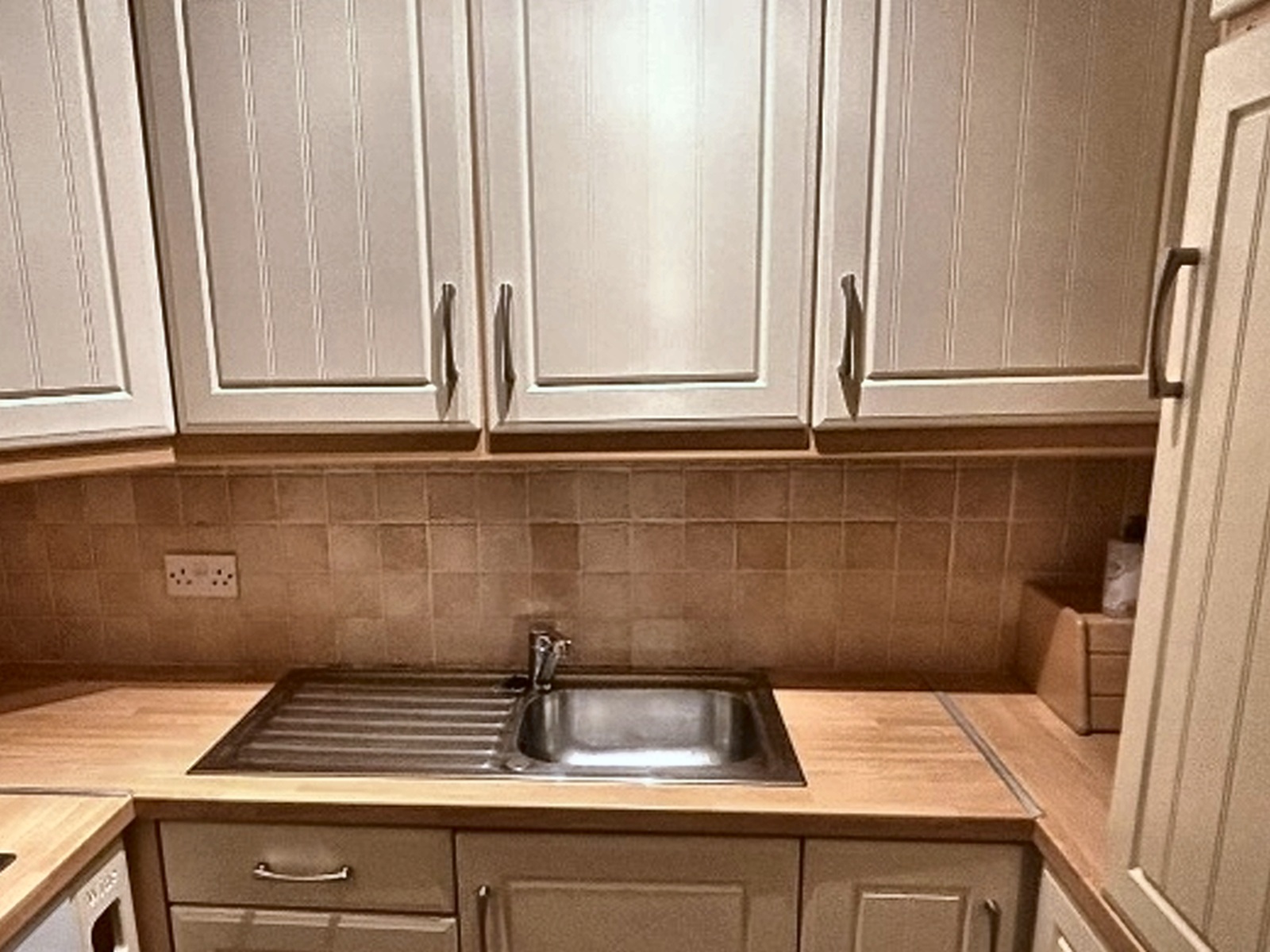
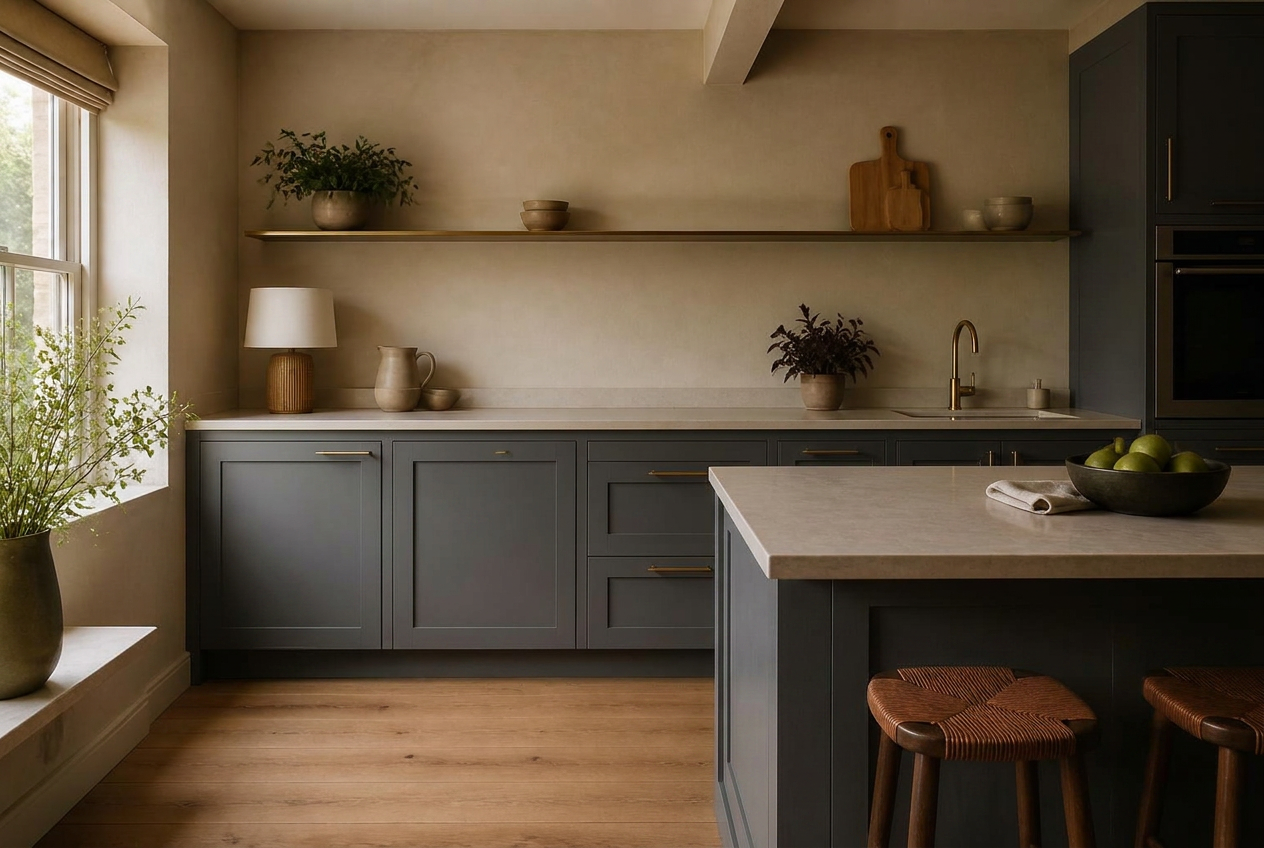
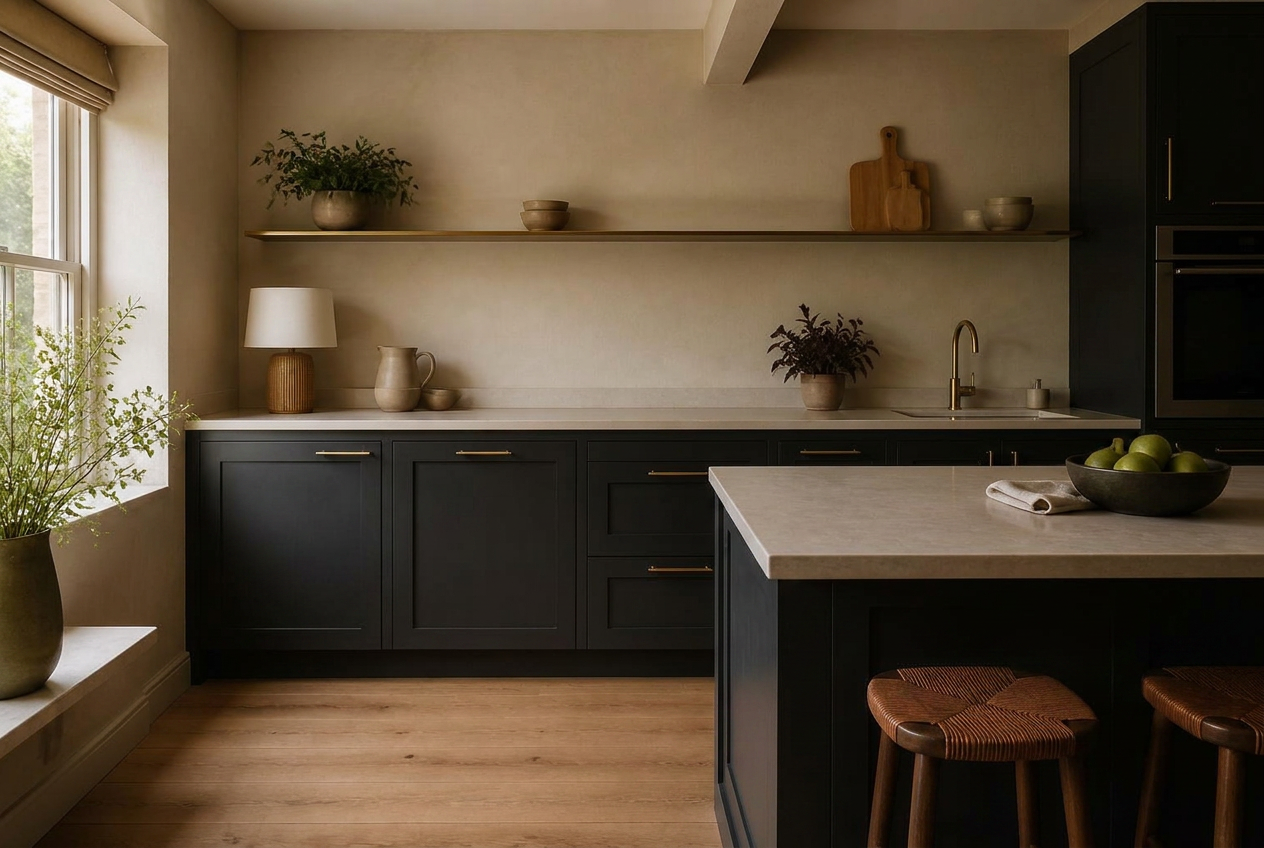
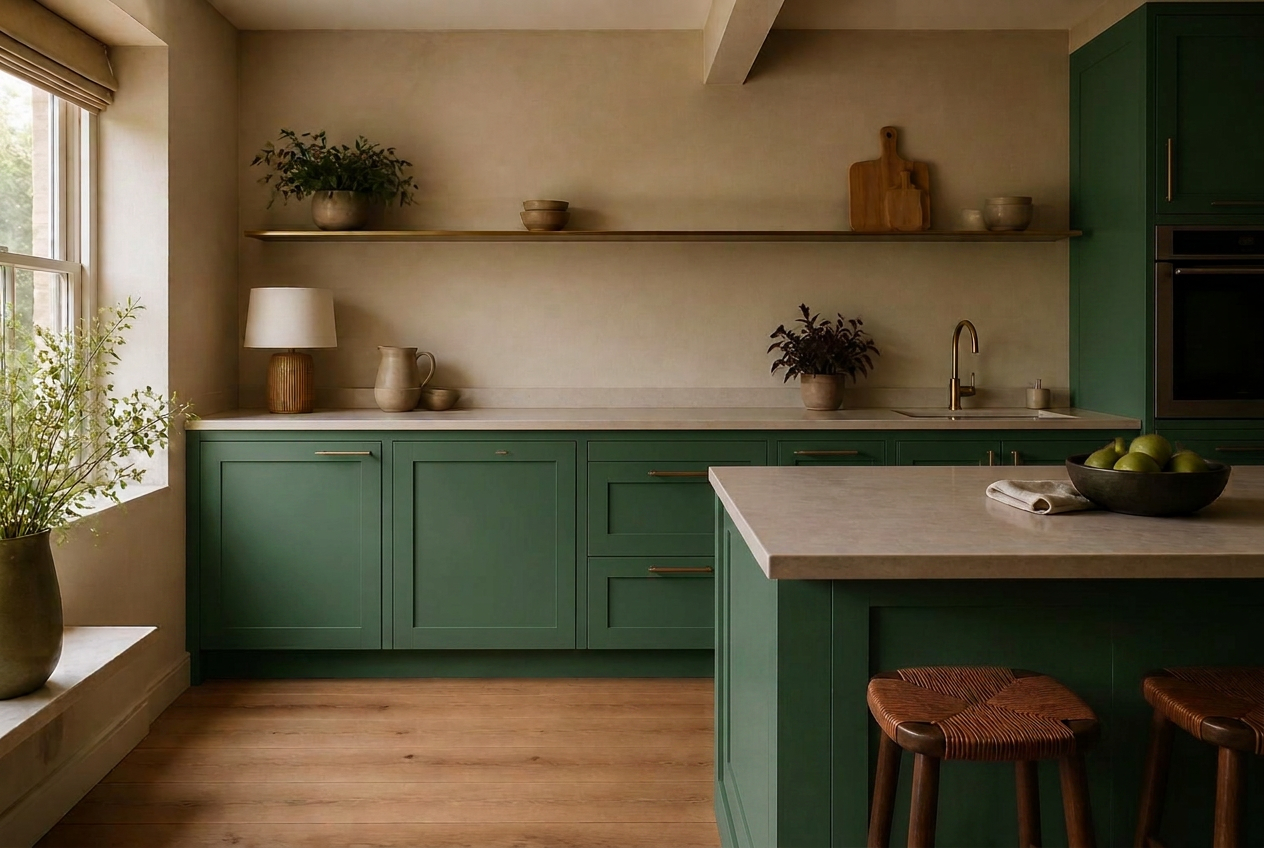
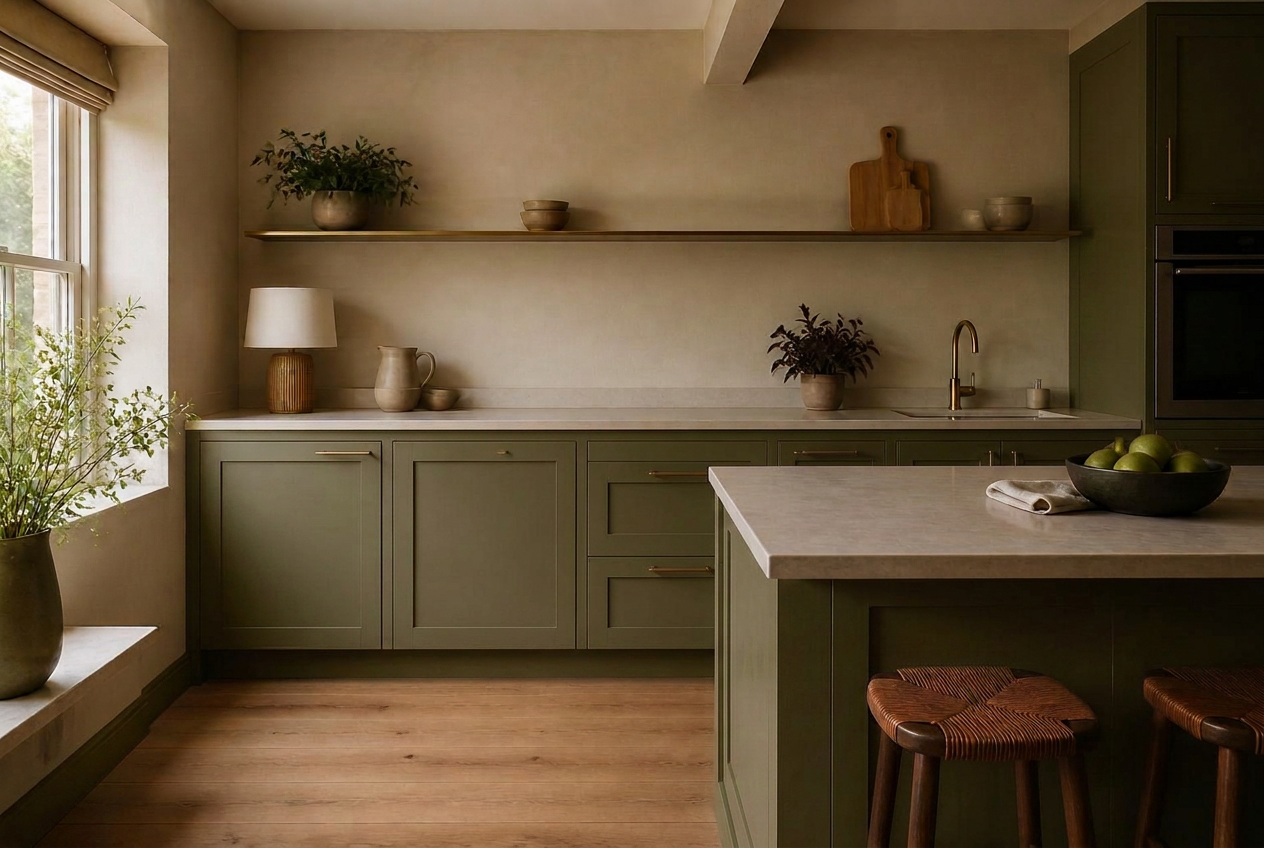
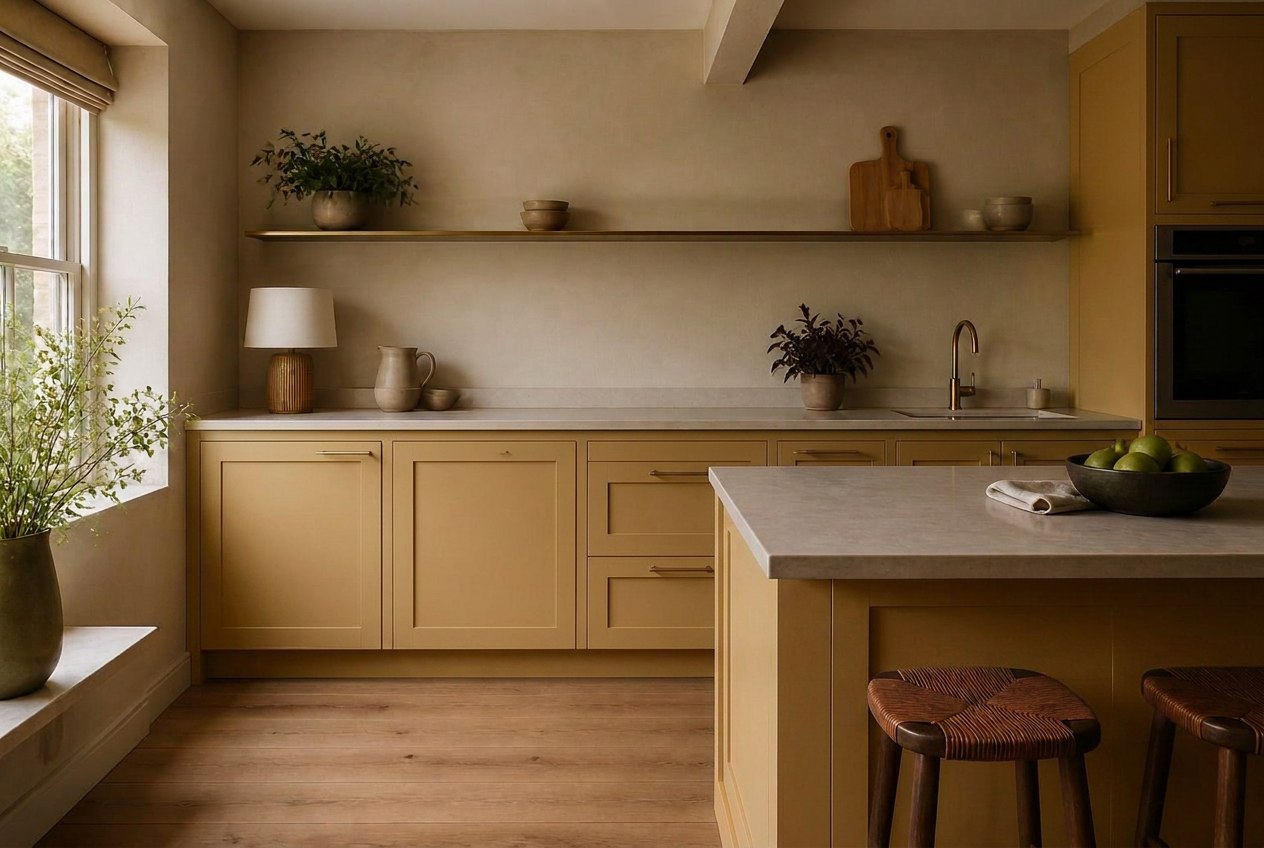
Colour visualiser
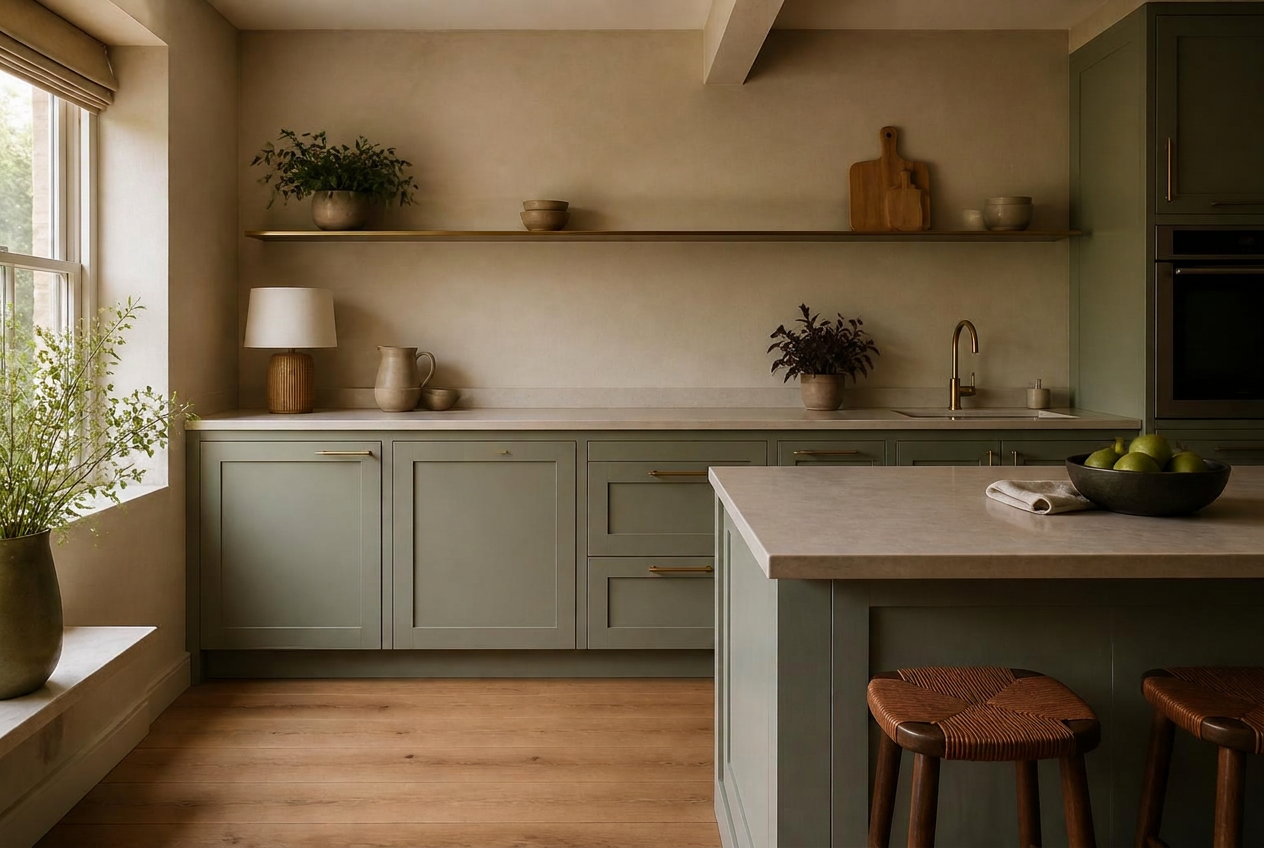
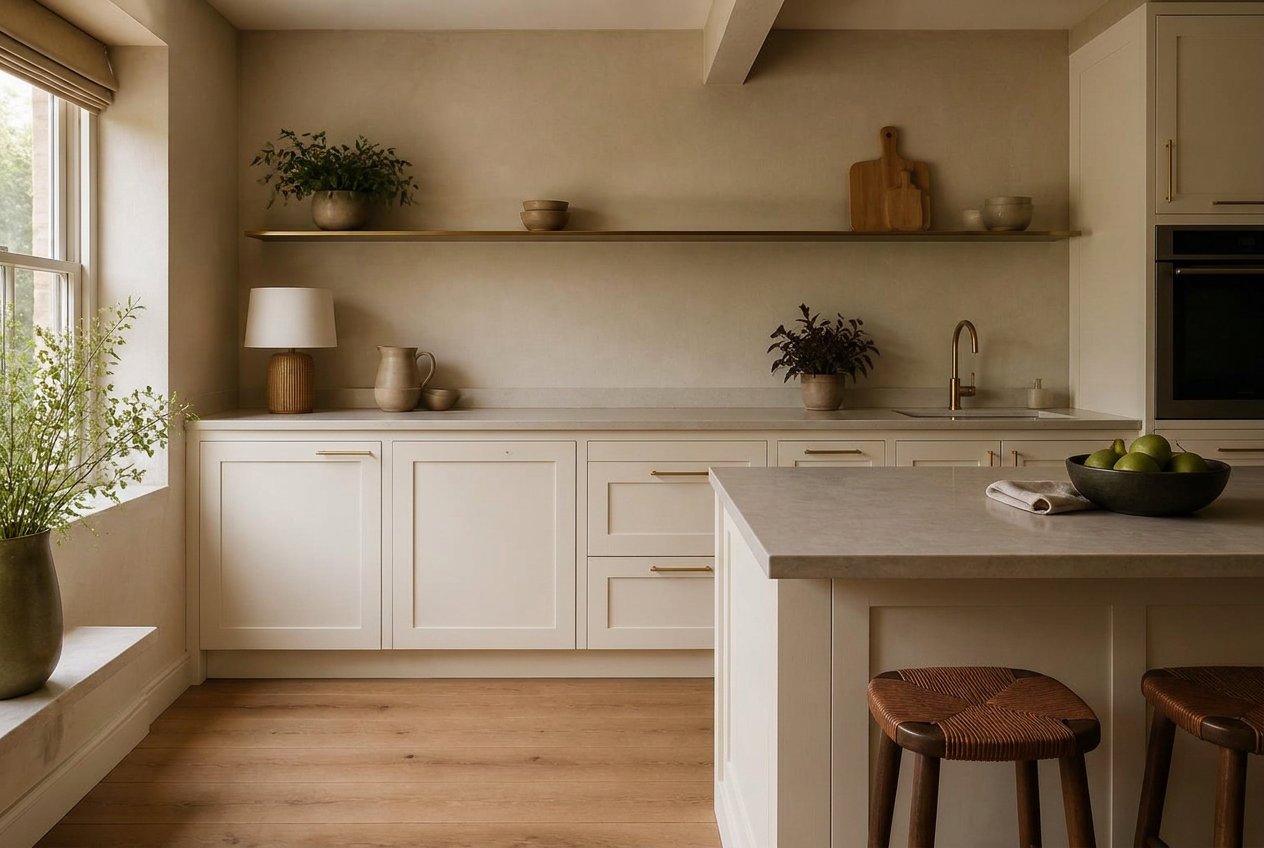
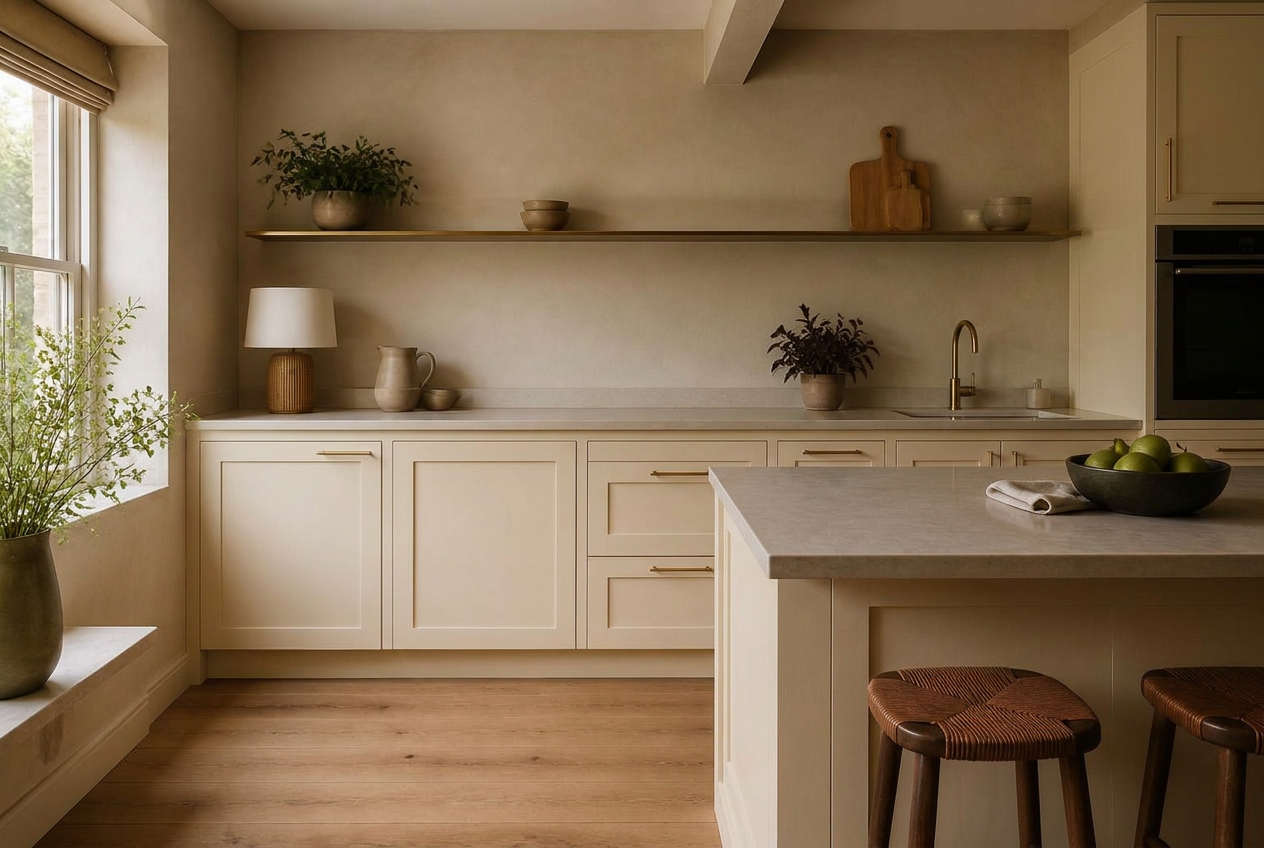
See your kitchen in a new colour
Choose a finish to see how the same kitchen looks once it has been resprayed. We can match any colour you like, these are simply our most requested.
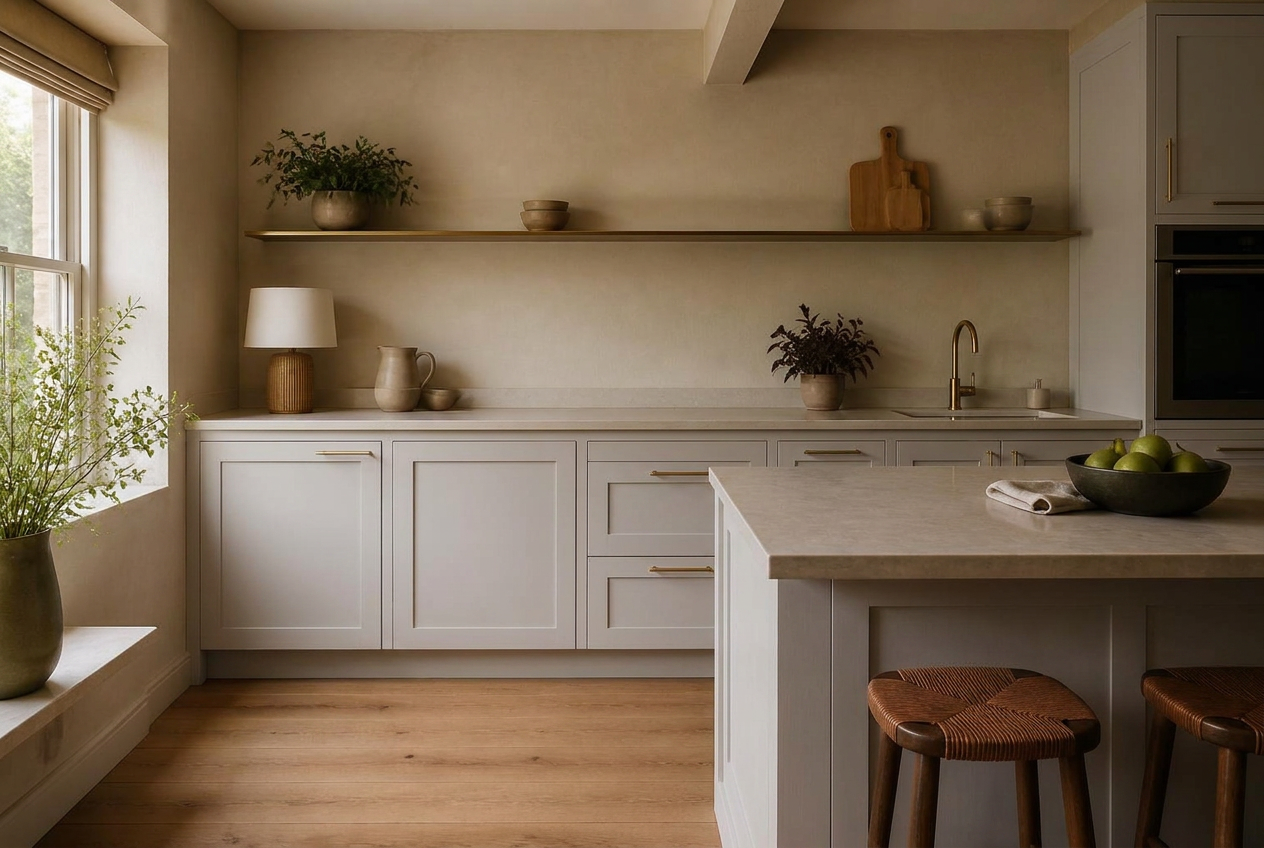
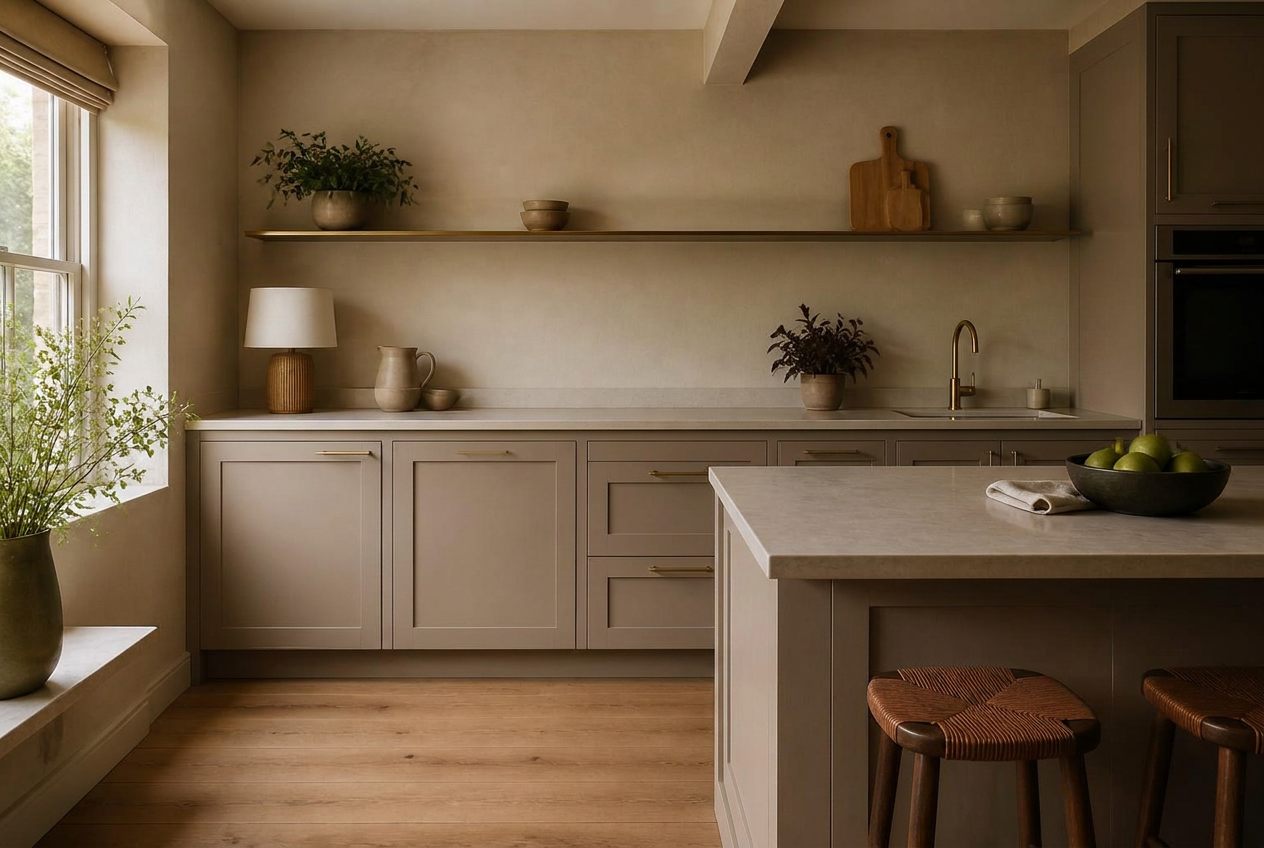
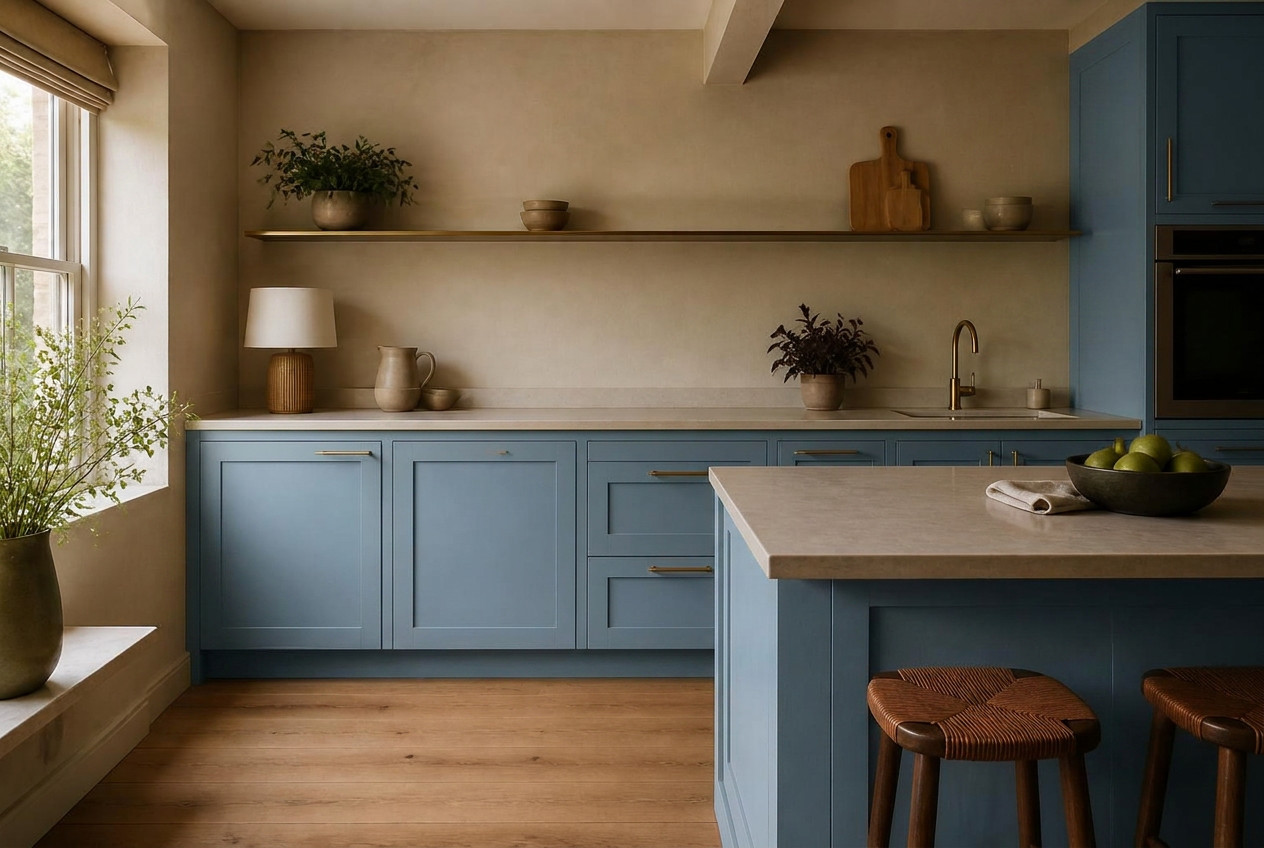
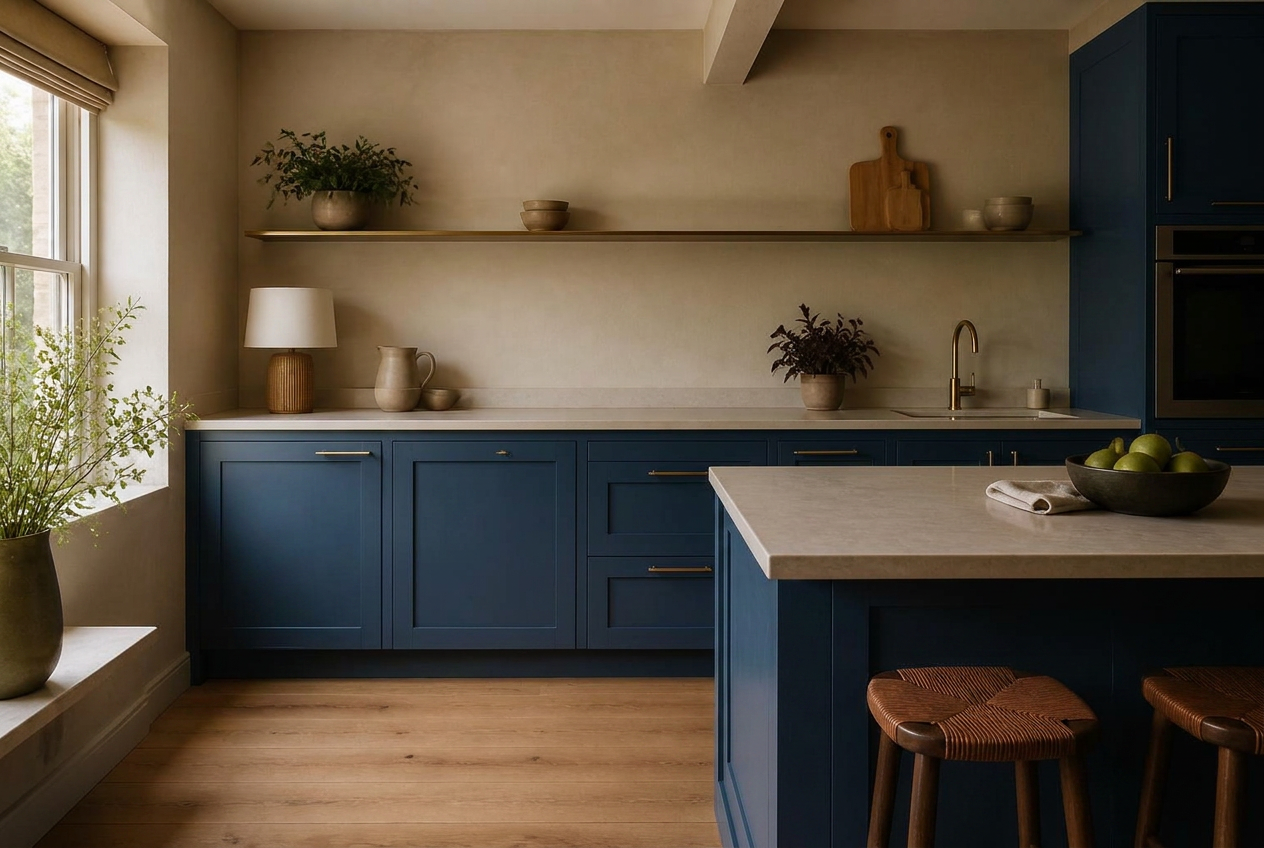
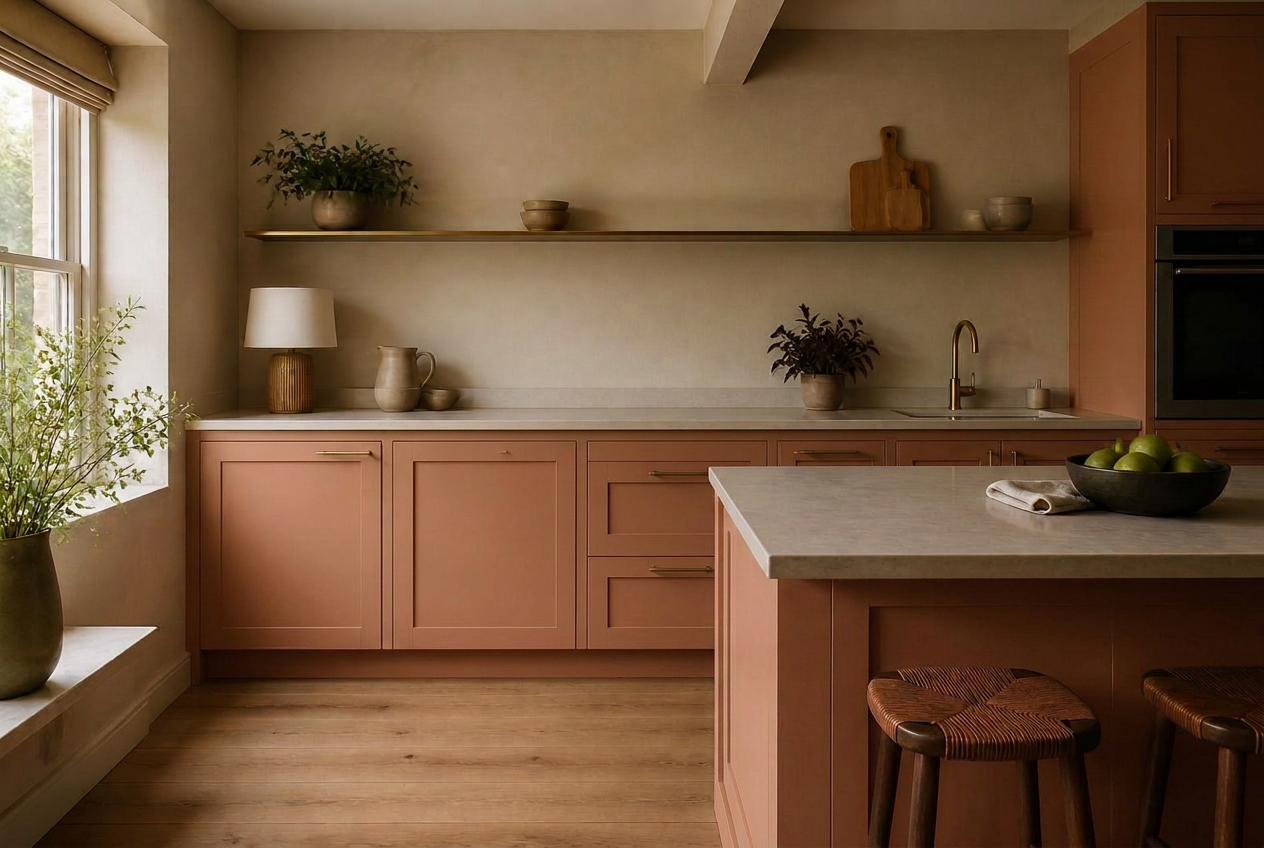
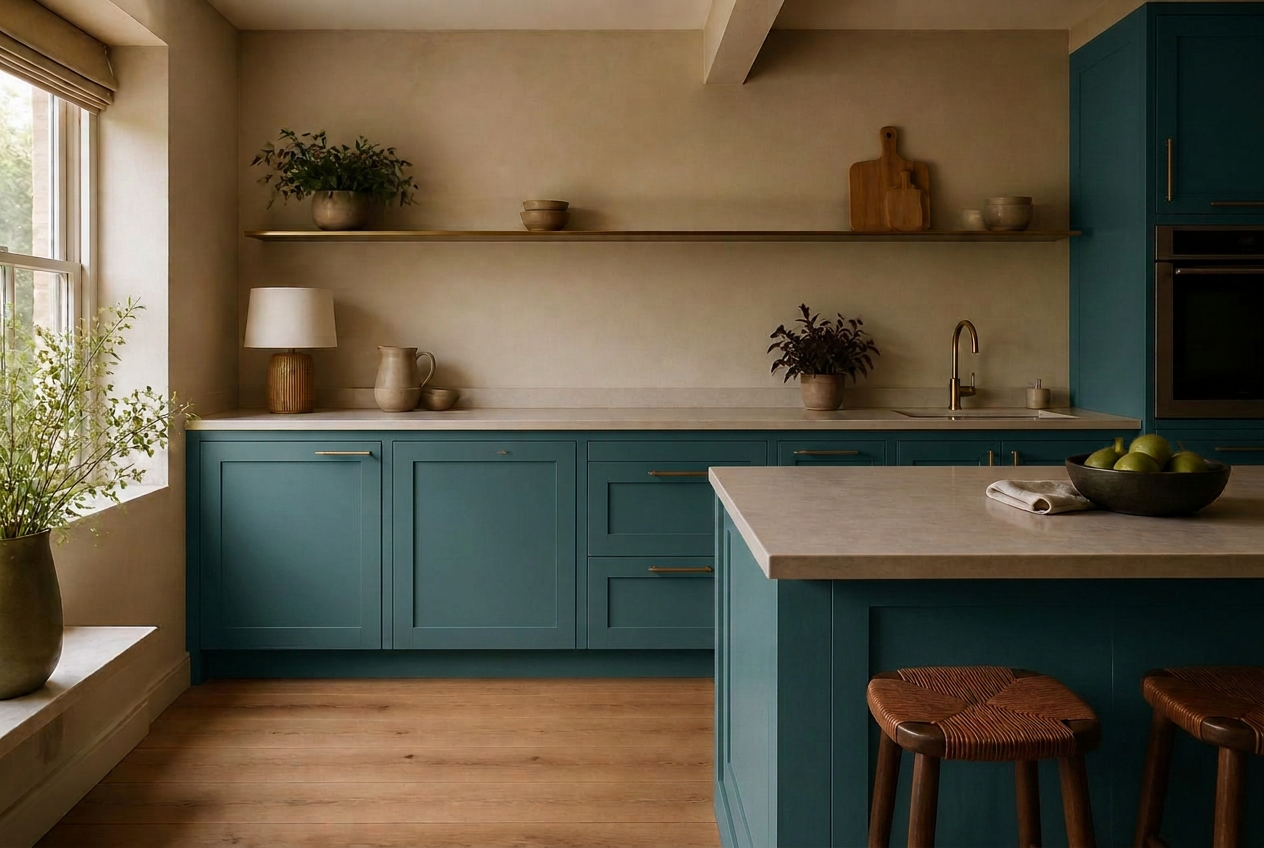
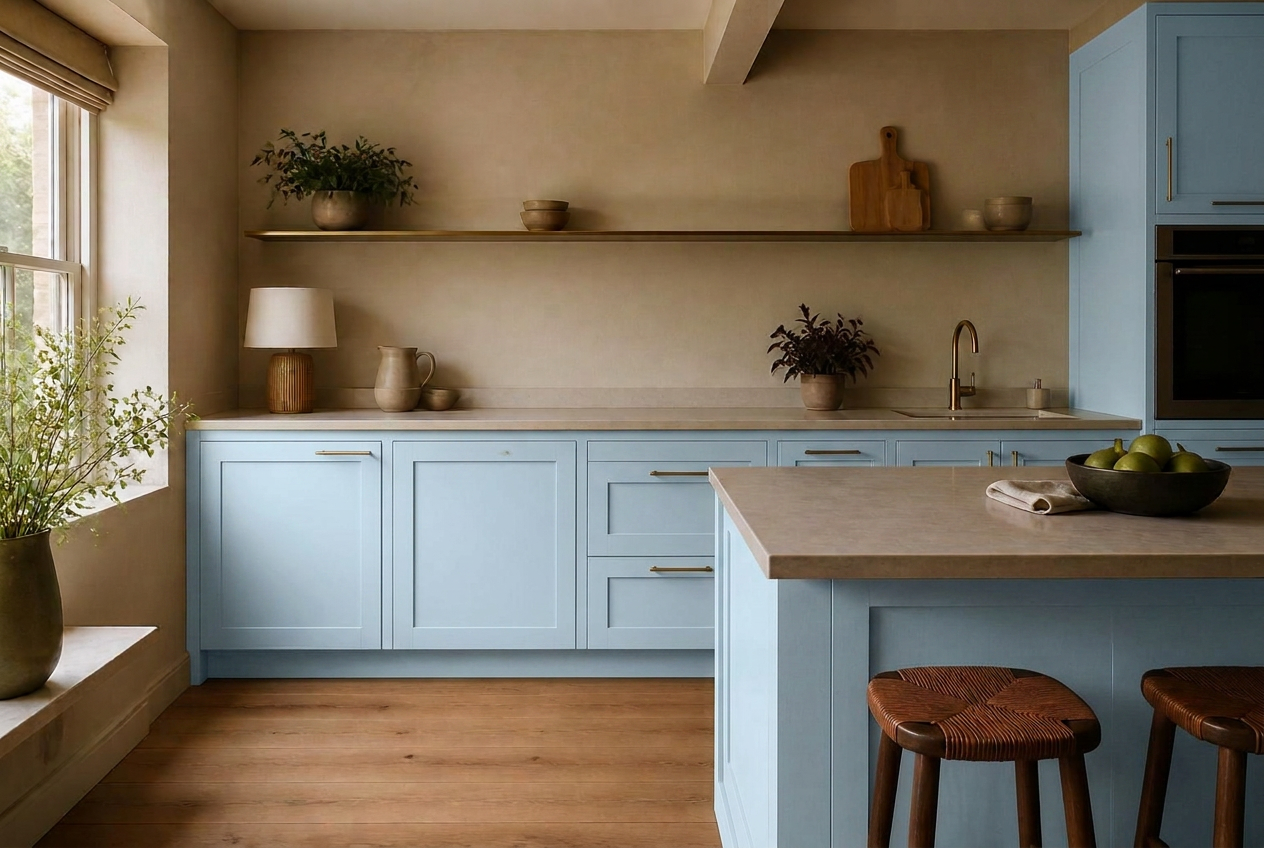
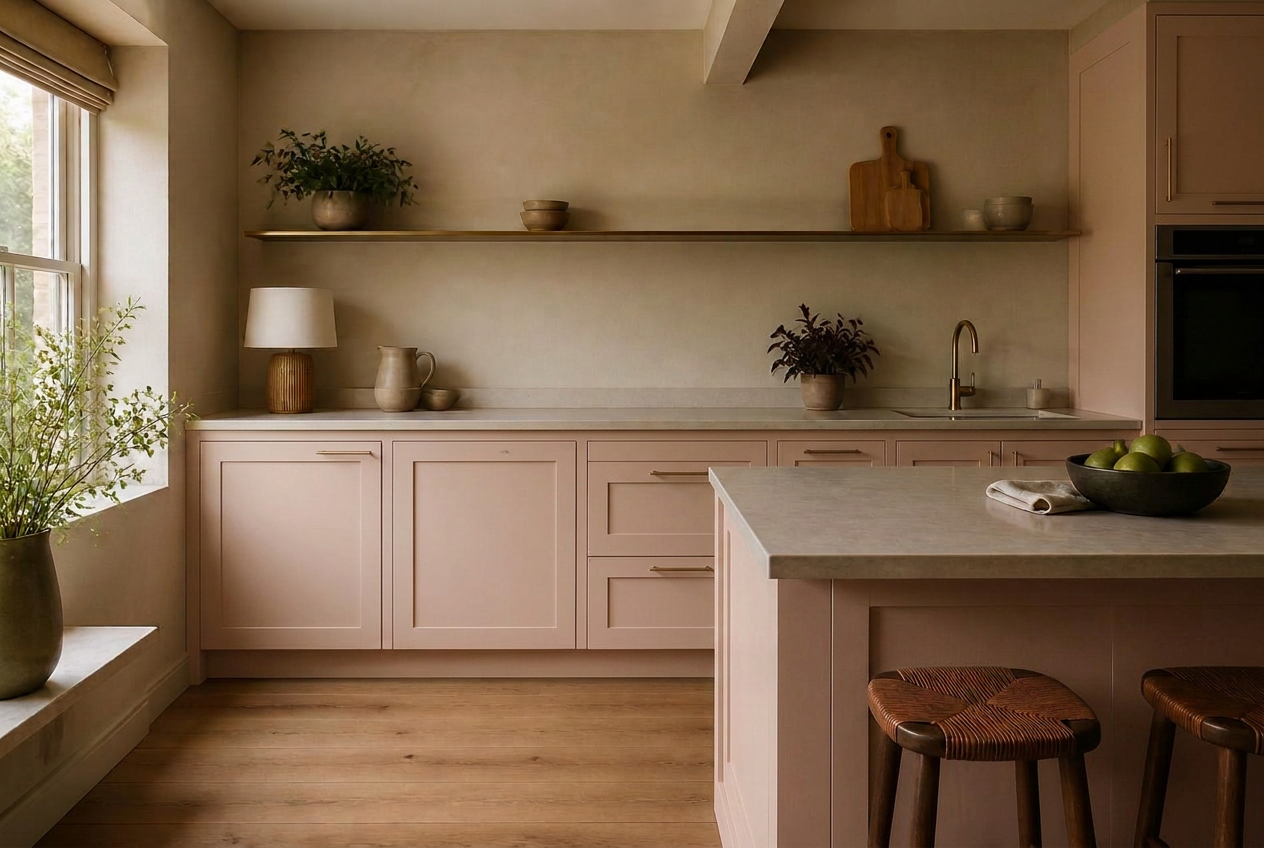
About Us
Refresh Your Kitchen with Dublin Kitchen Respray Experts
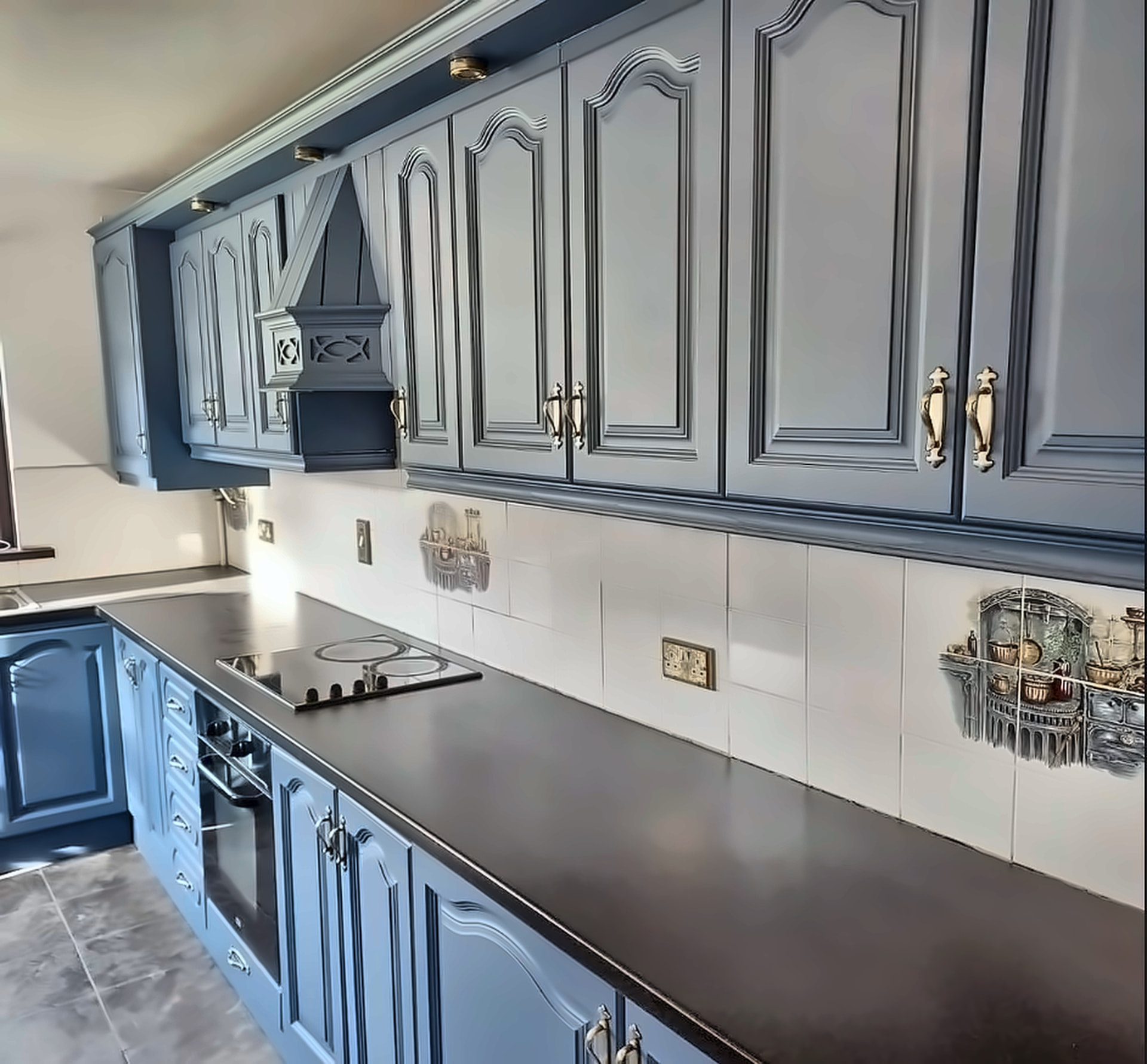
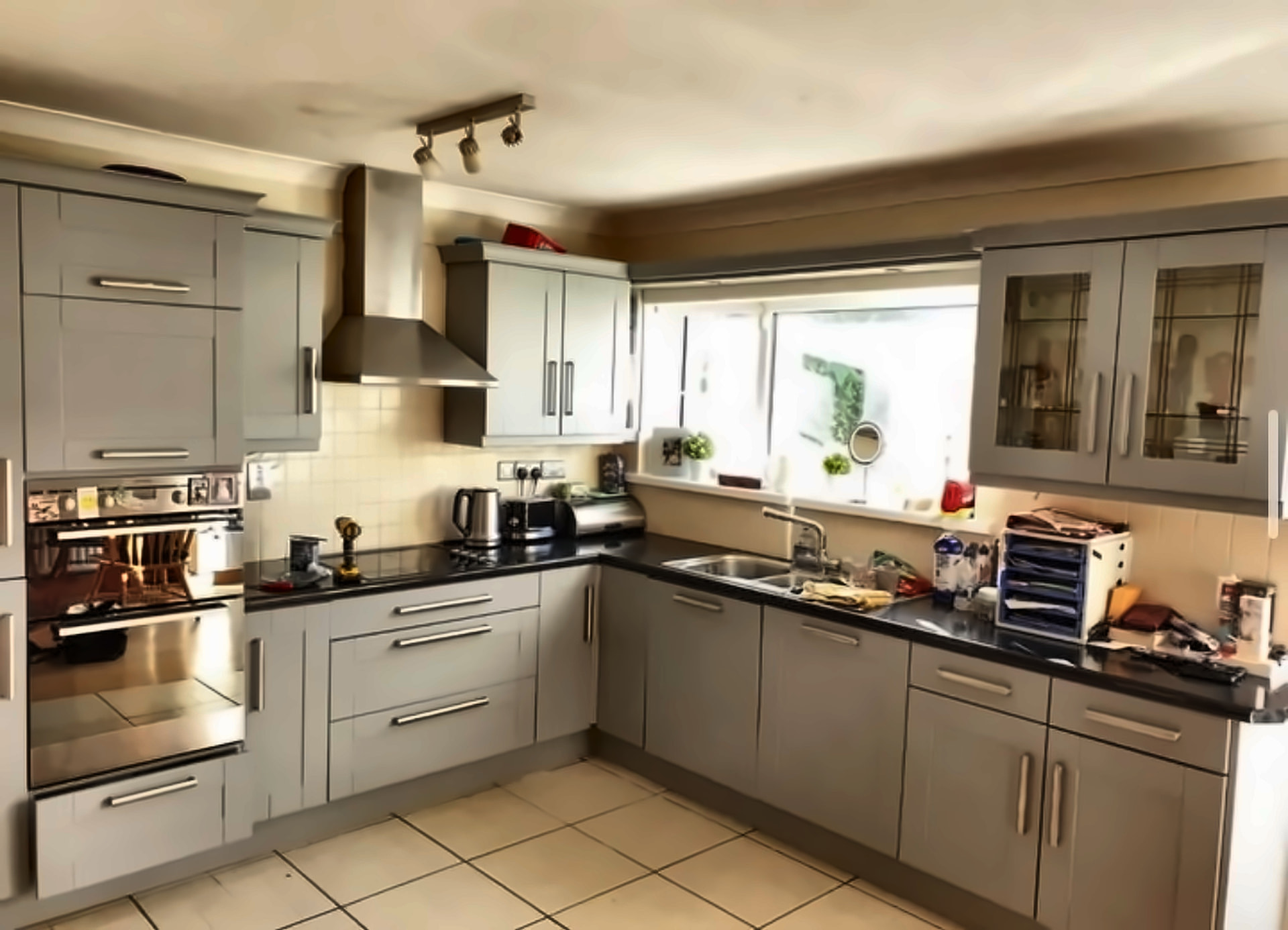
We specialise in kitchen cupboard painting in Dublin and full kitchen refurbishment solutions. Our team has years of experience in spray painting kitchen cupboards. We understand what works best for different materials and finishes. Whether you need a kitchen door respray or a full cabinet upgrade, we deliver consistent and reliable results.
We take pride in being one of the best kitchen respray companies in Dublin.
How We Work
From Consultation to Transformation. Flawless Results in Just 1 to 3 Days!
- 1
Consultation & Quote
We begin with a detailed consultation to understand your vision and needs. Simply send us a photo of your kitchen, and we'll provide an instant quote. Our experts will guide you through the colour options, finishes, and any additional services required.
- 2
Preparation & Respray
Our skilled team meticulously prepares your kitchen by cleaning and priming surfaces for a flawless finish. We respray your cabinets, worktops, and other surfaces using our exclusive, durable paint formula, ensuring a smooth, factory quality finish.
- 3
Completion & Inspection
After completing the respray, we perform a thorough inspection to ensure every detail is perfect. Your kitchen will be transformed within 3 to 5 days with minimal disruption. We only leave once you're fully satisfied with the results!
Typical Cost Breakdown
How Much Does Kitchen Respray Cost in Dublin?
The cost of a kitchen respray depends on several factors. These include the size of your kitchen, the number of units, and the type of finish you choose. However, it is always more affordable than a full kitchen replacement.
Kitchen respray prices in Dublin start at €700 and most kitchens are finished in 1 to 3 days, around 70 percent less than a replacement kitchen.
Also see our customer reviews and the areas we cover.
| Kitchen size | Typical cost |
|---|---|
| Small Kitchens | €700 to €1000 |
| Medium Kitchens | €1250 to €1400 |
| Large Kitchens | €1400 to €2000 |
| Very Large Kitchens | €2000 to €3000 |
Gallery
Recent Kitchen Transformations

Why Choose Us
Why Choose Dublin Kitchen Respray for Kitchen Respray Services in Dublin?
Choosing the right company makes a big difference. We focus on quality work, clear communication, and long lasting results.
Here's why you can trust us:
- Experienced kitchen respray specialists in Dublin
- Premium spray painting technology
- Cost effective alternative to full renovation
- Wide range of finishes (gloss, matt, satin)
- Minimal disruption to your home
- Eco friendly kitchen refurbishment solutions
Our Process
Our Simple Kitchen Respraying Process
We follow a clear and proven process. This ensures consistent quality and a smooth experience for every customer.
- 01
Consultation & Colour Selection
We start by understanding your needs. You choose your preferred colour and finish. We guide you to the best option for your kitchen.
- 02
Surface Preparation
We clean and prepare all surfaces carefully. This step is important for strong adhesion and a flawless finish.
- 03
Professional Spray Application
We use advanced spray equipment to apply even coats. This creates a smooth and durable surface without brush marks.
- 04
Final Inspection & Completion
We inspect every detail before finishing the job. We make sure everything meets our quality standards.
Service Areas
Kitchen Respray Services Across Dublin
If you are searching for "affordable kitchen respray near me in Dublin", we are your trusted local experts. Our team travels to homes throughout Dublin, Meath, Kildare, Louth and Wicklow to deliver high quality results.
No matter where you are located, we bring our expertise directly to your doorstep. Our goal is to make kitchen refurbishment simple and accessible for every homeowner.
Reviews
Our Testimonials
See what our delighted customers are saying about their stunning kitchen transformations and discover how we've created happy spaces for homeowners across Dublin!
Aideen Byrne
3 months ago
Hard working, very thorough and very happy with job done
Agata Nowak
3 months ago
I really recommend Dublin Kitchen Spray. They were very professional, punctual, and had great communication throughout the process. Our kitchen, table, and lockers look amazing. We...
Kathy OSullivan
3 months ago
Derek was incredible! I am so delighted with my new transformed kitchen in my favorite color green. This was a Farrow and Ball Breakfast room Green. Derek was finished in 2 days wi...
Alison Adams
4 months ago
Delighted to have chosen Dereck from Dublin Kitchen Respray to refurb our kitchen units. His team did a great job and left everything really clean. I would highly recommend this co...
Manus McDermott
4 months ago
Got our kitchen painted by Dublin Kitchen Painting and had a great experience. Derek was very easy to deal with from the start; quick replies, clear communication, and the whole qu...
Madeleine Costello
5 months ago
Absolutely delighted with re spray of our kitchen. Work done very professionally and quickly. Kitchen was left immaculate
Pamela Kavanagh
5 months ago
Super Job by the team. So happy with the results. Very thorough and clean too. Highly recommend.
Karen ONeill
5 months ago
Amazing!!! done by derek and Denis fabulous professionals they were fantastic love my kitchen I would use them again
Lori Kis
6 months ago
Delighted with the kitchen respray done by Dublin Kitchen Respray. The kitchen looks brand new and the finish is excellent! The team were professional, tidy and easy to deal with!...
Chloe Barrett
6 months ago
Amazing at there work very happy with it
Louise Deane
6 months ago
Derek and his team done a great job. Delighted with the end result looks like a new kitchen. Very clean and tidy. Would recommend.
Sadhbh Doherty
6 months ago
Excellent, efficient, highly recommend
Caoimhe O Connell
7 months ago
Couldn't recommend Derek enough! We only moved into the house and the kitchen was very old looking! With Derek's amazing and extremely hard work it looks like a brand new kitchen!...
Rebecca Cuthbert
7 months ago
Excellent job completed this week, we're very happy with the results and would highly recommend the service. Derek was very reliable and easy to deal with. Great value for money to...
Michelle Egan
8 months ago
Just had the guys out today to have my kitchen resprayed after a bad paint job. I am more than happy with the colour and finish and the price was fantastic. Very clean and trustwor...
Aidan Ryan
8 months ago
Polite, professional, efficient and really good looking, great results!
Tamaryn Eglington
8 months ago
Fantastic kitchen respray from start to finish. The team were friendly, professional, and a pleasure to have in our home. The quality of the finish is excellent and our kitchen loo...
Joseph Pasague
9 months ago
They did a wonderful job on our kitchen. Just love the new look. They are efficient and really did a neat piece of work. Highly recommended.
Conor Heron
9 months ago
Highly recommend, very neat and did an amazing job on a respray and repair on kitchen units
Meadhbh
9 months ago
Extremely happy with Derek's work and his team. They were efficient, and the attention to detail was phenomenal, we're delighted with our kitchen. Arranging the job was easy and I...
Carol Archbold
10 months ago
Amazing job!!! Derek and his team were total professionals. Fabulous service from start to finish. Kitchen has been transformed, it's like factory new. It's a revelation!!! Thanks...
Kenny Boyle
10 months ago
Very happy with the Professional workmanship from Derek and his team. Came in and straight down to business and completed in timeframe specified. End to end experience top rate, be...
Anselem
10 months ago
Lads were excellent very tidy and did a great job. Defo recommend them
Margaret Beere
10 months ago
Absolutely fantastic result, like a new kitchen. Derek and his assistant were very professional and efficient. If you need a respray, now you know where to go.
Lavinia Niall
11 months ago
Delighted with kitchen and colour I picked. Looks like a new kitchen. Derek very professional and helpful with helping me choose the colour.
Ilona Barnas
12 months ago
I couldn't be happier with the service from Dublin Kitchen Respray. From the first consultation to the final finish, the team was professional, friendly, and extremely tidy. They t...
Tommy Farrell
12 months ago
I couldn't be happier with the results of my kitchen respray! The team was professional, punctual and clearly skilled at what they do. They transformed my tired, dated cabinets int...
Brian McConville
12 months ago
I recently had my kitchen resprayed by Dublin Kitchen Respray and I'm very happy with the service. The team was extremely professional and the cabinets now look brand new. The fini...
Valerie Owens
12 months ago
I found Derek and the team were extremely helpful and couldn't do enough. Him and the team was professional throughout the whole process and any questions we had he answered and de...
Karen Mcdonald
2 years ago
Derek and his work colleague came to do my kitchen Respray on time and stayed all day. To say I'm impressed and delighted is an understatement, I absolutely love it. They did a gre...
Lara Madden
2 years ago
Absolutely delighted with our kitchen respray. Great quality job and a pleasure to deal with. 100% recommend.
Carolyn Harten
2 years ago
We are delighted with our kitchen. Dereck is a fantastic communicator and the job was done so quickly. We also had bright orange tiles that he was able to cover and you really woul...
Anto
2 years ago
Got Derek in to respray the kitchen as a cheaper alternative to buying a new one. I had no expectations of how it would look when done but absolutely blown away by the finished pro...
Elaine Spain
2 years ago
Amazing job carried out by Derek and the lads. They were in and out in 1 day and made some repairs which all added to the quality of the work! Would highly recommend
Thomas Meehan
2 years ago
Excellent job, would recommend to anyone thinking about giving their kitchen a refresh. The guys completed this from 9 to 5, with no disturbance while I was working from home. Supe...
FAQ
Frequently Asked Questions
Choosing a kitchen respray service often comes with questions. Below are clear and simple answers to help you understand the process, benefits, and costs. This section will guide you in making the right decision for your kitchen refurbishment.
Your Next Step is Just a Click Away!
Get Your Free Instant Quote
Don't Replace Your Kitchen, Respray It and Save Thousands!
Your dream kitchen is closer than you think. With professional kitchen cabinet respray services, you can upgrade your space without stress.
We help you save money while achieving a modern and stylish finish. Whether you need spray painting of kitchen cupboards or a full kitchen door respray, we can help.