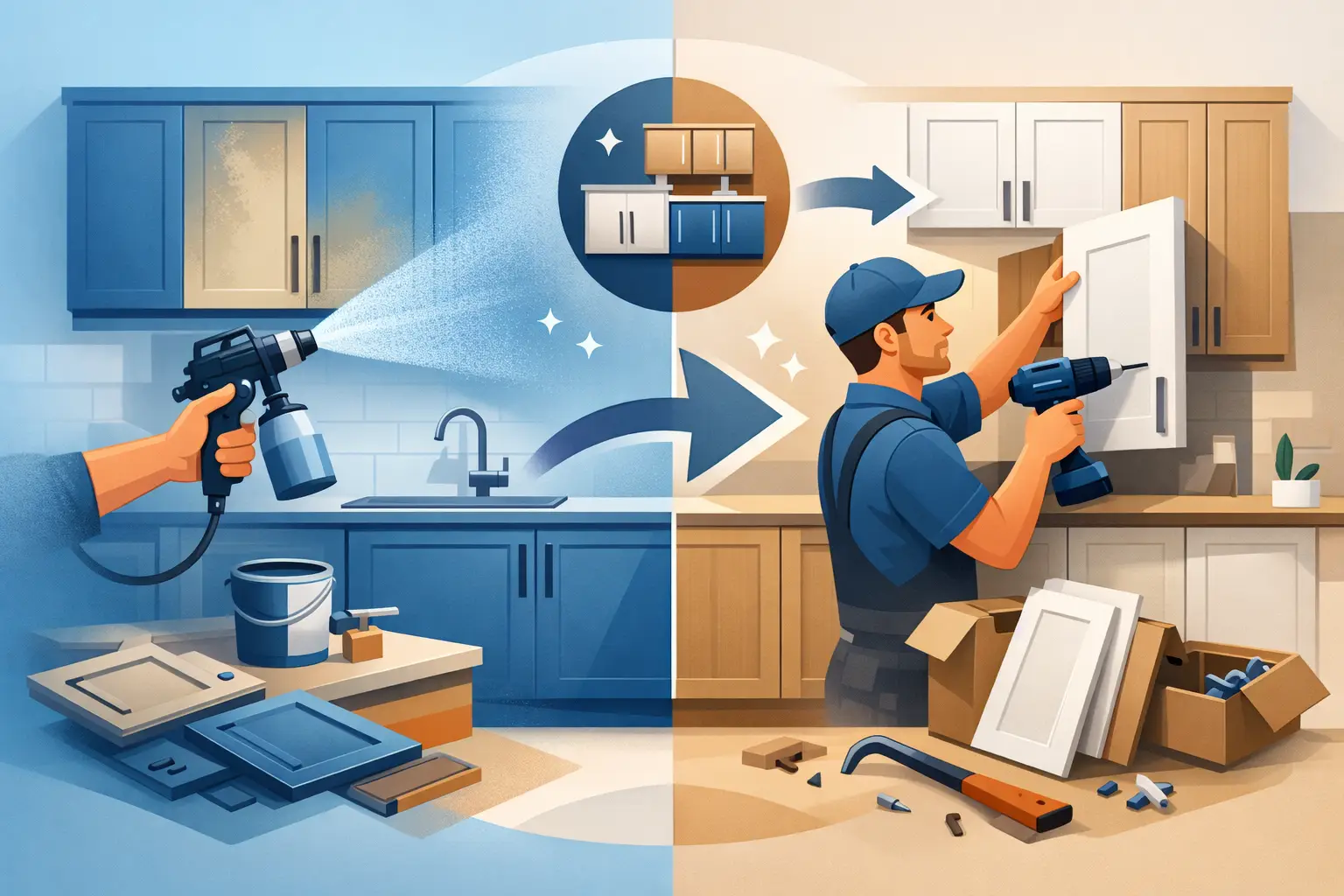
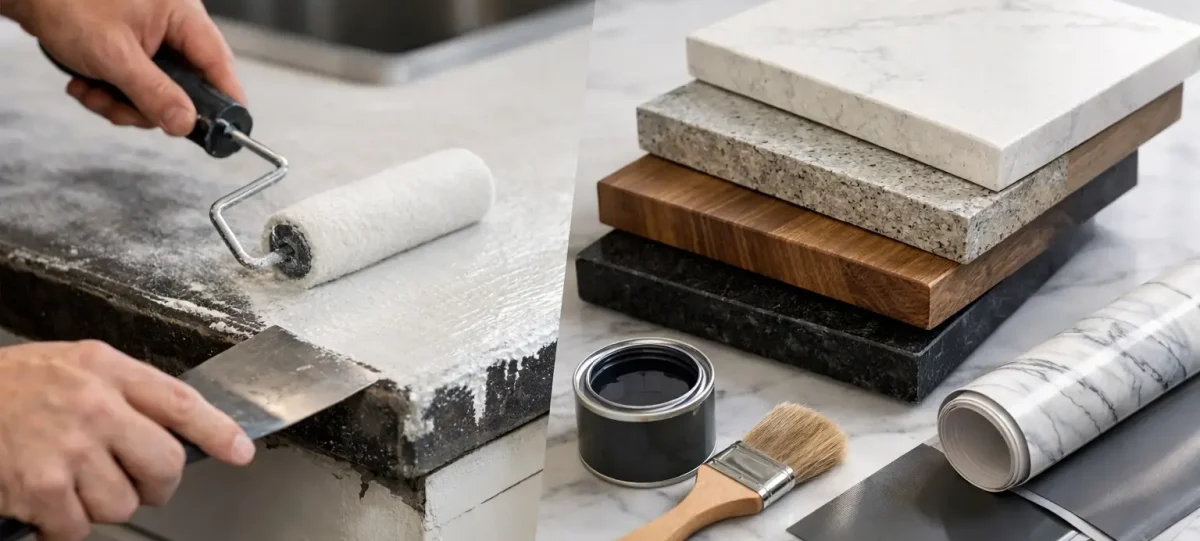
If your kitchen worktops are making the whole room feel tired, replacing them is not your only option. For many homeowners, the smartest upgrade sits somewhere between doing nothing and committing to a full rip-out. That is where the best worktop resurfacing alternatives come in.
The right choice depends on what is bothering you most. Sometimes it is outdated colour. Sometimes it is chips, scorch marks or worn edges. And quite often, it is the thought of weeks of mess and a bill that grows by the day. A practical resurfacing option can refresh the look of the kitchen, control costs and avoid sending perfectly usable materials to landfill.
What makes a good alternative to replacing worktops?
A good solution has to do more than look fresh for a few weeks. It should suit the condition of your current worktops, the level of wear your kitchen sees, and the finish you want long term.
If you cook daily, have a busy family kitchen or regularly set down hot pans and small appliances, durability matters just as much as appearance. If the worktop substrate is already damaged by water or movement, some resurfacing methods will only hide the issue for a short time. In that case, replacement may still be the better investment.
For most homes, the best option balances four things – cost, disruption, lifespan and finish quality.
Best worktop resurfacing alternatives to consider
1. Spray granite coating
For homeowners who want a high-end stone look without changing the entire worktop, spray granite is one of the strongest options available. This finish is professionally applied to existing worktops and creates a textured, attractive surface designed to mimic natural granite.
Its appeal is not just visual. A properly applied spray granite coating can give tired laminate worktops a much more premium appearance while avoiding the expense and upheaval of full replacement. It is especially useful when the existing worktop is structurally sound but looks dated or worn.
This option suits people who want a professional finish rather than a quick cosmetic fix. It also makes sense where speed matters, because resurfacing is typically far less disruptive than removing and refitting worktops, sinks and upstands.
The trade-off is that preparation and application matter enormously. This is not a forgiving DIY job. If you want durability and a consistent finish, expert workmanship is essential.
2. Worktop overlays
Overlays are made to fit over your current worktops, creating a new surface without the need to remove the old one. They are often marketed as a middle-ground option for kitchens that need a visible change but where the underlying units and layout remain in good order.
They can work well in kitchens where homeowners want a thicker, more modern profile or a material effect that is difficult to achieve with coatings alone. Installation is generally faster than a full replacement, although it still requires accurate templating and fitting.
The downside is cost. Overlays can be more expensive than resurfacing treatments, and awkward layouts can push the price higher. They also add thickness, which may affect edge details, splashbacks and the fit around appliances.
3. Vinyl wrapping for worktops
Vinyl wrap is often used on cabinets, but specialist films can also be applied to worktops in some cases. It is one of the more affordable ways to change the look of a surface, especially if your priority is appearance rather than long-term heavy-duty performance.
The big advantage is variety. There are finishes that imitate marble, stone, concrete and wood, so it is possible to update the style of the kitchen quickly. For lower-use spaces, utility rooms or properties being prepared for sale, it can be a sensible short-term option.
But this is where honesty matters. Worktops take more abuse than cupboard doors. Heat, standing water, sharp objects and frequent cleaning can all shorten the life of wrapped surfaces. Around sinks and kettle areas, edges can become a weak point. For a hardworking kitchen, vinyl is rarely the most durable of the best worktop resurfacing alternatives.
4. Specialist worktop paint systems
Painting worktops is usually considered by homeowners looking for the lowest upfront cost. There are dedicated paint kits designed for laminate and timber surfaces, often promising a stone-style finish or a smooth modern look.
Used carefully, these systems can improve appearance for a modest spend. They are most suitable when the worktop is still in decent condition and the goal is to freshen the room rather than create a premium finish.
The issue is wear. Even with sealers and topcoats, painted worktops tend to show age faster than professionally sprayed alternatives. Scratches, chips and dull patches are common over time, particularly in busy kitchens. DIY results also vary widely. A neat result is possible, but it requires patience, preparation and realistic expectations.
5. New laminate over existing surfaces
In some situations, a fresh laminate layer can be applied or bonded as part of a resurfacing process. This can give the appearance of a new worktop while avoiding complete removal.
It is a practical option if you like the simplicity of laminate and want a clean, updated finish at a manageable cost. Modern laminates can look far better than older versions, with more convincing stone and textured effects than many people expect.
That said, not every worktop is suitable for this approach. Edges, joins and existing damage need to be assessed properly. If water has already caused swelling beneath the old surface, a new laminate finish may not last well.
6. Timber sanding and refinishing
If you already have solid wood worktops, resurfacing can be more straightforward. Sanding back the top layer and refinishing the timber with oil or lacquer can restore warmth, colour and character surprisingly well.
This is often one of the best-value options because the material itself usually has life left in it. Scratches, stains and minor burns can often be reduced or removed during sanding, and the whole kitchen benefits from the refreshed natural finish.
The catch is maintenance. Timber looks beautiful, but it does ask for care. It needs periodic re-oiling if that is the chosen finish, and it is more vulnerable to standing water around sinks. For some homeowners, that upkeep is worth it. For others, a lower-maintenance resurfacing solution will be more practical.
7. Full worktop replacement
Strictly speaking, replacement is not resurfacing, but it belongs in the conversation because sometimes it is the only sensible alternative. If the existing worktop has significant water damage, movement, deep structural cracks or poor previous repairs, resurfacing may simply delay the inevitable.
A full replacement gives you the widest choice of materials and the chance to rethink details such as sink type, drainer grooves and upstands. It can be the right route if you are already carrying out broader kitchen works.
Still, it is the most disruptive and usually the most expensive option. Removing old worktops can affect tiling, plumbing and appliances, which is why many homeowners first explore the best worktop resurfacing alternatives before deciding to replace.
How to choose the right option for your kitchen
The most suitable route depends on the condition of your current surface and how you use your kitchen day to day. If the worktops are basically sound and you want a substantial visual improvement without the cost of stone or quartz, a professionally applied spray finish can be an excellent fit. If you need a temporary cosmetic update for a lighter-use area, paint or vinyl may be enough.
It also helps to think about the finish you really want. Some homeowners start by looking for the cheapest fix, then realise they would be disappointed with anything that still looks obviously like a budget workaround. Others simply want the room to feel cleaner and brighter for a few years. Neither approach is wrong, but they lead to different decisions.
For homes in Dublin and the surrounding counties, professional resurfacing often appeals because it keeps disruption low. You avoid much of the demolition, fitting work and scheduling headaches that come with replacement, while still achieving a stunning improvement in the heart of the home.
When professional resurfacing offers the best value
There is a reason more homeowners now look for expert resurfacing before pricing a full renovation. If your layout works, your cabinets are worth keeping and the worktops are not structurally failing, resurfacing can give excellent value.
A trusted specialist will assess whether your existing worktop is a good candidate, explain the likely lifespan of each finish and be clear about limitations. That matters. The best result is not the one with the lowest quote. It is the one that suits your kitchen properly and still looks right after real daily use.
At Dublin Kitchen Respray, this is exactly why spray granite has become such a popular choice. It offers a professional, affordable and eco-friendly way to transform worn worktops without the stress of a full replacement.
A kitchen does not always need to be stripped back to feel new again. Sometimes the smartest improvement is the one that respects what is already working and upgrades only what lets the room down.