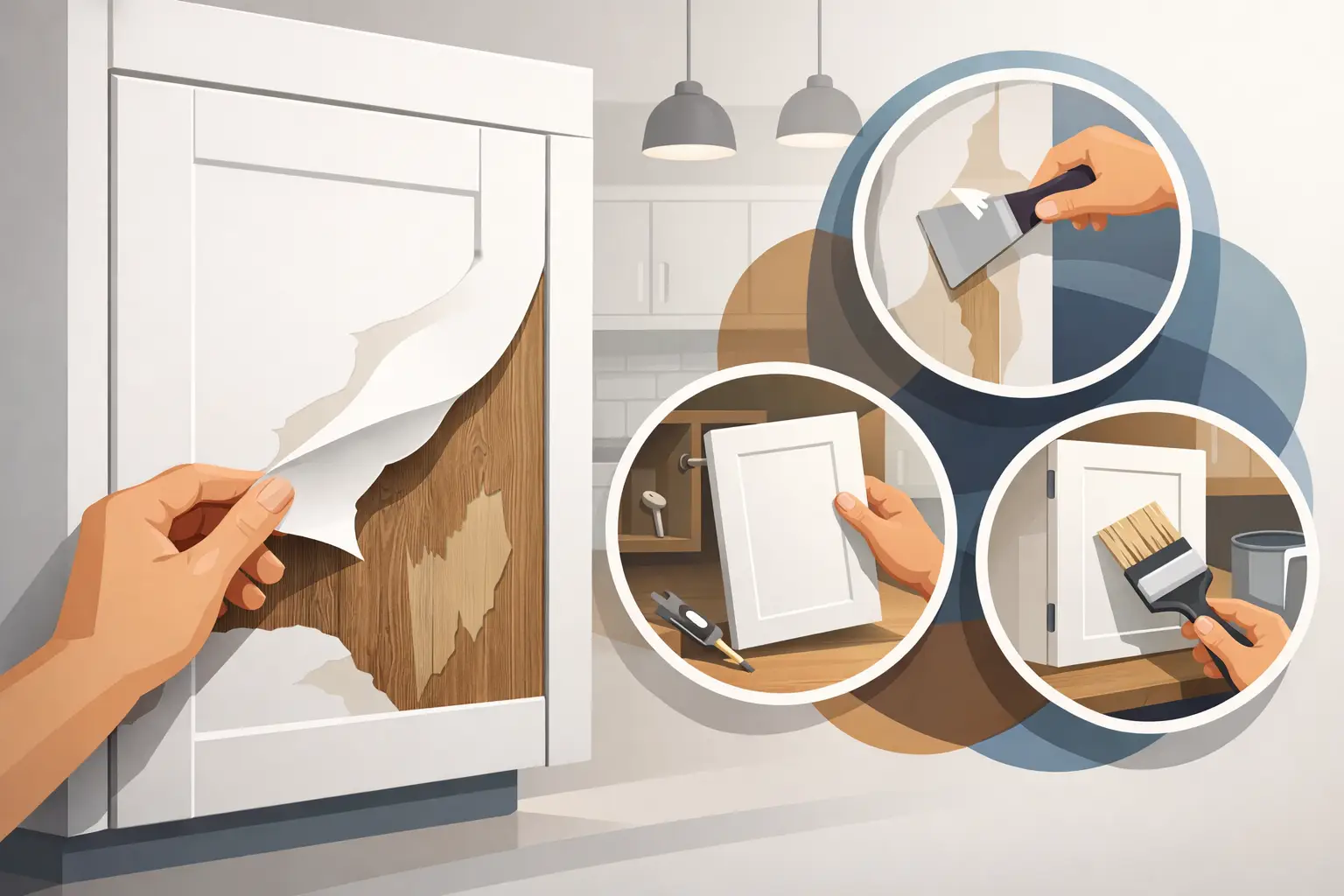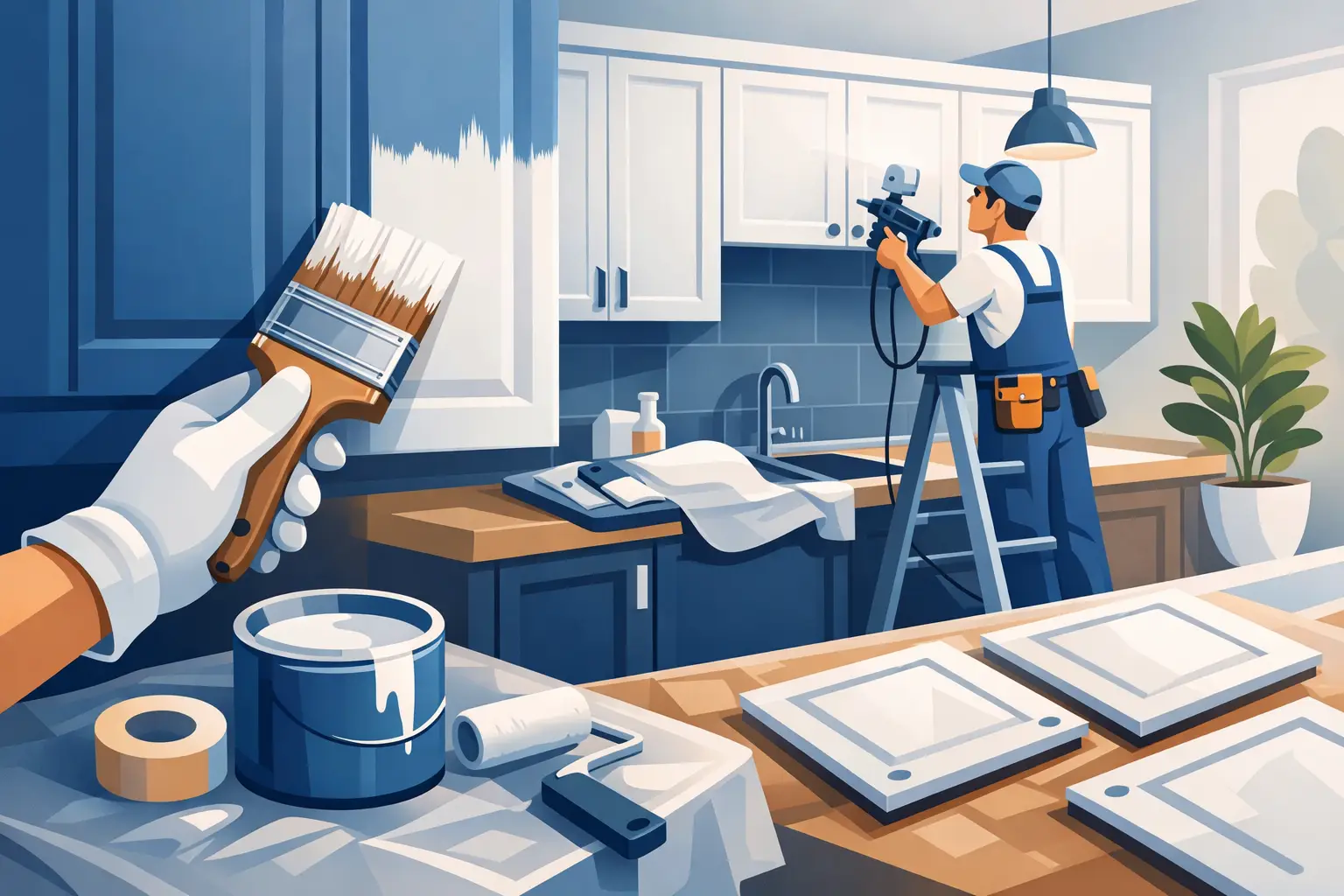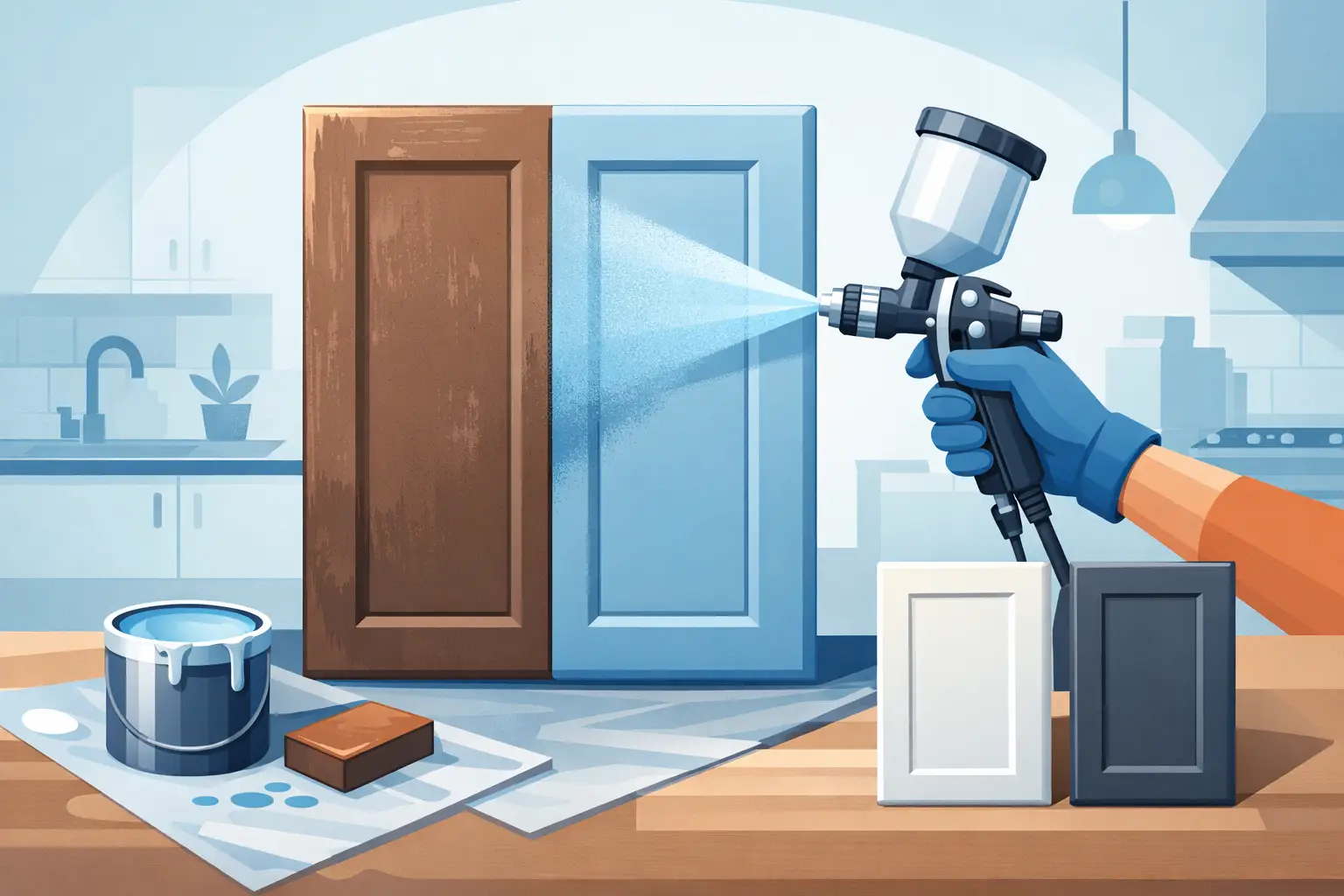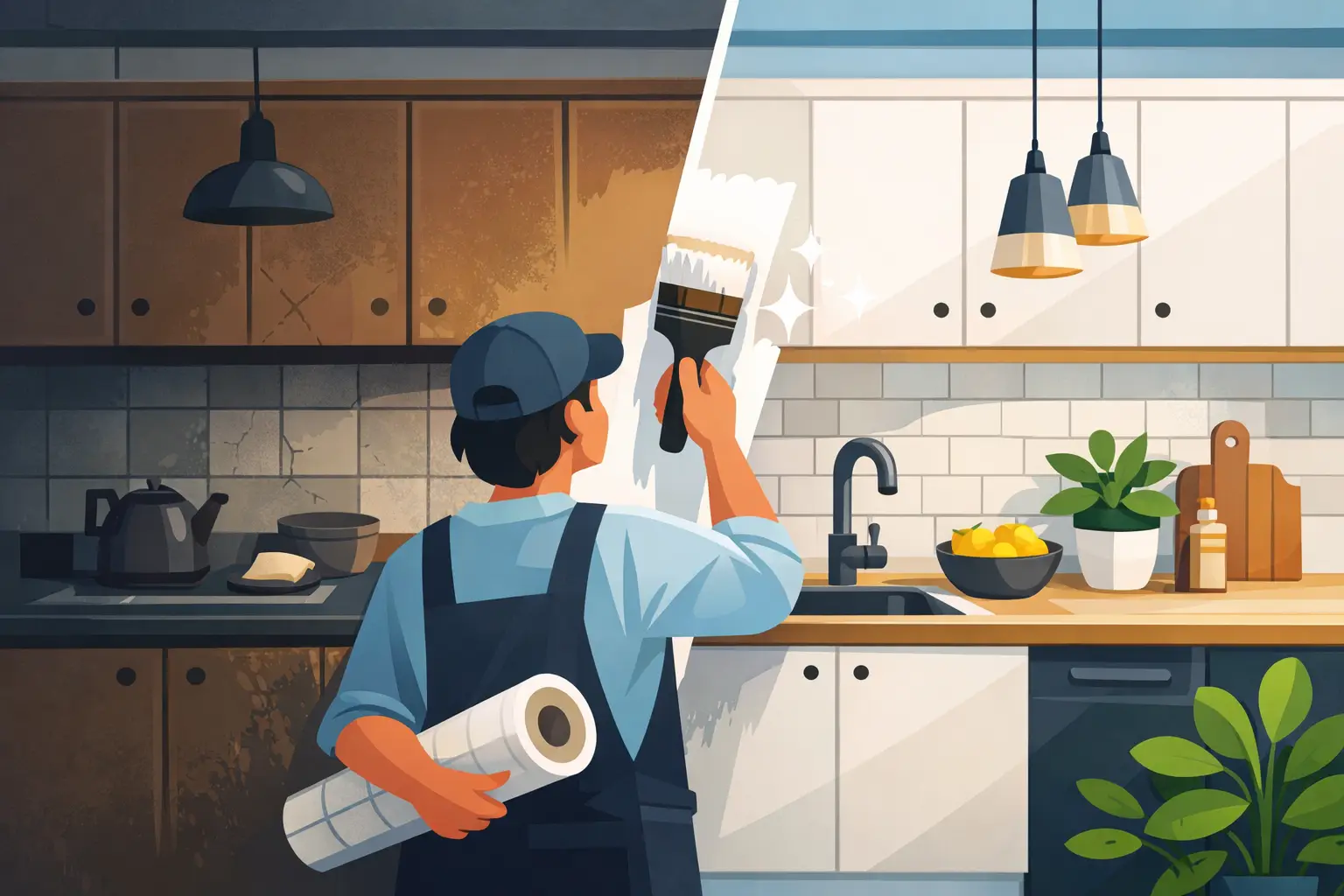
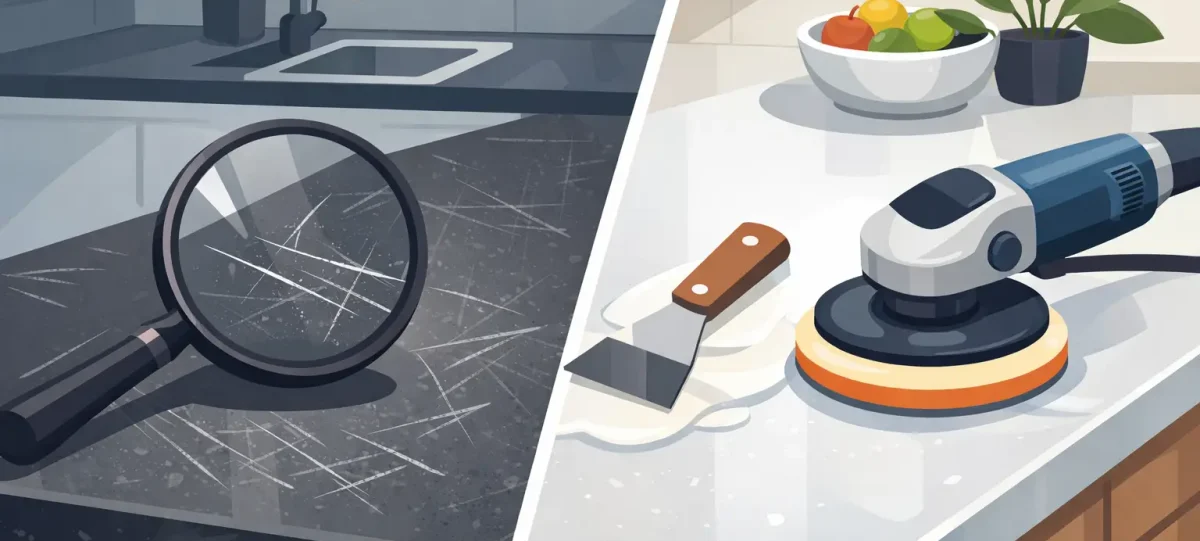
A worktop can make the whole kitchen look older than it is. Even when the cabinets are in good condition, a surface covered in scratches, dull patches or worn edges tends to draw the eye for all the wrong reasons. So, can scratched worktops be resurfaced? In many cases, yes – but the right answer depends on the material, the depth of the damage and what sort of finish you want at the end.
For many homeowners, the real question is not simply whether a worktop can be saved. It is whether resurfacing will give a durable, attractive result without the expense and upheaval of ripping the kitchen apart. That is where expert assessment matters, because some scratched worktops respond very well to resurfacing, while others are better suited to repair, refinishing or full replacement.
Can scratched worktops be resurfaced on every material?
Not every worktop behaves in the same way, and that is the first thing to understand. A light scratch on one surface may be straightforward to improve, while the same mark on another material may be much more visible or harder to treat properly.
Laminate worktops are common in many homes because they are affordable and practical, but they can be tricky when deeply scratched. The decorative top layer is relatively thin, so if damage has cut through that surface, sanding it back is usually not an option. In those cases, a professional resurfacing system can be a smarter route, especially if the goal is to improve appearance and extend the life of the worktop rather than replace it entirely.
Solid wood is different. It can often be sanded and refinished if the scratches are only surface deep. That said, wood needs ongoing care, and if it has water staining, burns or movement around joints, the repair may involve more than a simple refinish.
Composite and stone-effect surfaces vary. Some can be polished or repaired in sections, while others benefit more from a specialist coating process that creates a fresh, consistent finish across the whole top. If the damage is widespread rather than isolated, resurfacing often gives a neater final result than spot repairs.
Quartz, granite and other premium surfaces can sometimes be professionally restored, but success depends on the severity of the scratches and whether there are chips, cracks or structural issues. Deep gouges are a different matter from everyday wear.
What counts as resurfacing?
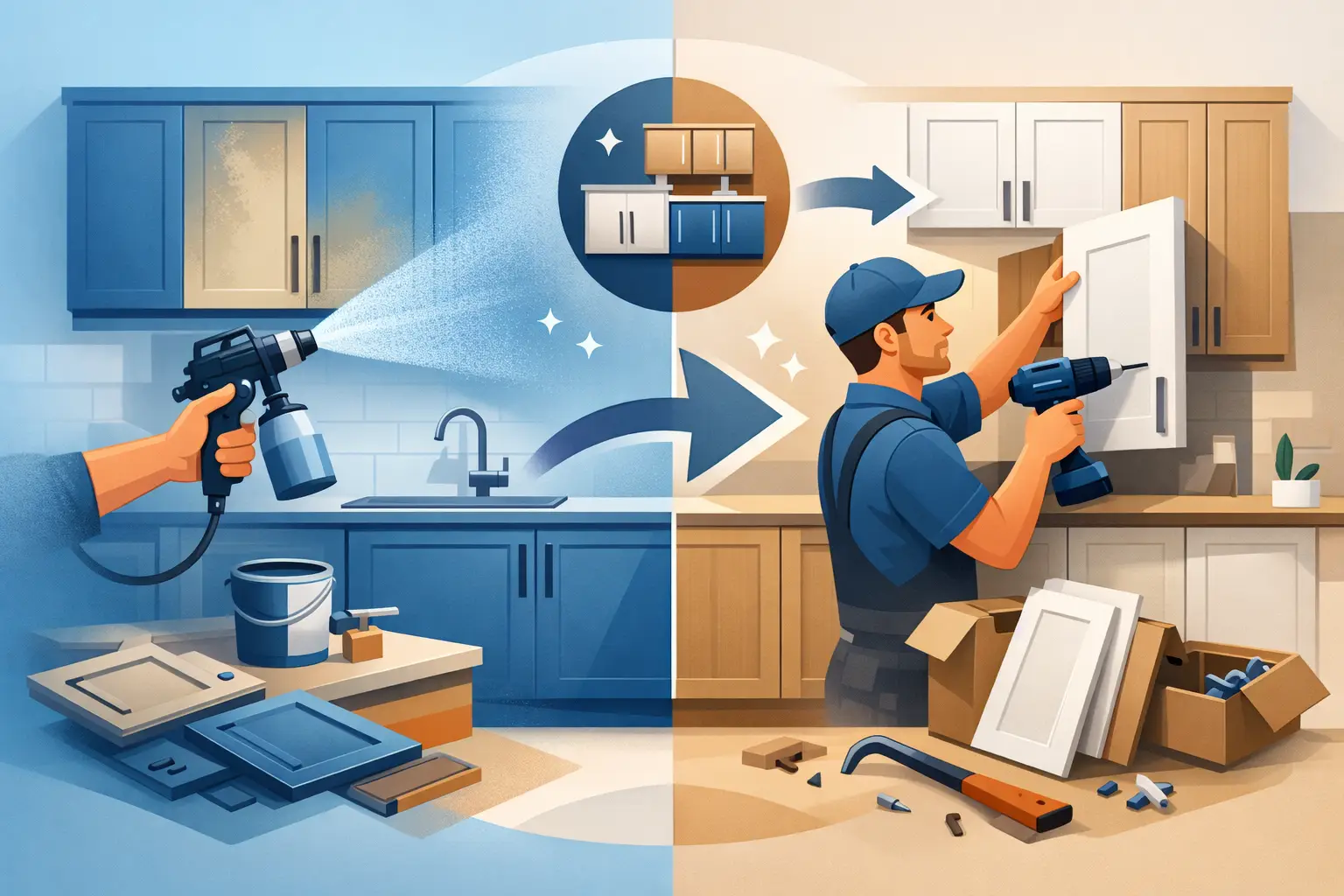
People often use the word resurfacing to describe several different methods, which can cause confusion. Sometimes it means sanding and refinishing the original material. Sometimes it means applying a specialist coating over the existing worktop. In other cases, it refers to a spray-applied finish designed to transform the look of the surface while also covering cosmetic wear.
That distinction matters because the best method depends on what you are trying to solve. If your worktop has only a few fine scratches, a localised repair may be enough. If it is tired all over, with fading, marks and general wear, a full resurfacing treatment is usually the better long-term option.
For homeowners who want a significant visual upgrade as well as repair, specialist finishes such as spray granite can be particularly appealing. They do more than hide scratches. They can completely change the appearance of the worktop and give the kitchen a more current, high-end look without the cost of replacement.
When resurfacing is a good idea
Resurfacing tends to make sense when the underlying worktop is still sound but the visible finish has seen better days. That includes surfaces with light to moderate scratching, worn sheen, minor cosmetic marks and dated colours that no longer suit the rest of the kitchen.
It is also a strong option when the cabinets are perfectly serviceable and replacing the worktop would create unnecessary disruption. In many kitchens, removing worktops can affect sinks, taps, splashbacks, tiling and appliances. What starts as a simple refresh can quickly become a much larger job.
This is why many homeowners across Dublin and the surrounding counties look at resurfacing first. It offers a practical middle ground – more transformative than a small repair, but far less invasive than a full renovation.
When resurfacing may not be enough
There are limits, and a trustworthy provider should be clear about them. If a worktop is swollen from water ingress, badly broken, lifting at the seams or structurally unsound, resurfacing may only disguise a bigger problem for a short time. Likewise, if there is severe heat damage or extensive cracking, replacement might be the more sensible investment.
The same applies when expectations do not match the condition of the surface. A very damaged worktop can often be improved dramatically, but the process and final result need to be judged realistically. The aim is a durable, attractive finish – not a temporary cosmetic cover-up.
The value of professional assessment
Photos can help, but they do not always tell the full story. A scratch that looks minor may actually have penetrated deeper than expected, while a surface that appears badly worn may be an excellent candidate for resurfacing. The substrate, edge profile, existing finish and even how the worktop has been cleaned over the years all play a part.
A professional assessment helps answer three practical questions. First, is resurfacing technically suitable? Second, will the finish hold up well in everyday kitchen use? Third, is it the most cost-effective route compared with replacement?
That last point matters. Cheap fixes often end up expensive if they fail early. A properly prepared and professionally applied finish is what gives resurfacing its value.
How the resurfacing process usually works
A good resurfacing job is all about preparation. The worktop needs to be thoroughly cleaned, degreased and assessed for any repairs before any new finish is applied. Scratches, chips and worn areas are dealt with first so the final surface looks even and performs properly.
Once the preparation is complete, the chosen finish can be applied using the method best suited to the material and desired look. With specialist spray systems, the goal is a consistent, hard-wearing result that bonds correctly and gives the worktop a completely refreshed appearance.
Drying and curing times will vary depending on the product and conditions, and this is one reason professional application is worth it. Kitchens are high-use spaces. A finish that looks lovely on day one still needs to cope with daily wiping, food prep and general family life.
Why homeowners often choose resurfacing over replacement
Cost is an obvious factor, but it is not the only one. Replacing worktops can create a chain reaction of extra jobs, especially in an older kitchen. Tiles may need to be redone, plumbing disconnected and reconnected, and walls made good afterwards. For many households, that level of disruption is the bigger issue.
Resurfacing is appealing because it can deliver a stunning visual improvement while keeping the existing kitchen in place. It is also an eco-friendly choice. Rather than sending serviceable materials to landfill, resurfacing extends the life of what you already have.
For customers who want an updated kitchen without the expense of a full refit, that balance of value, speed and appearance is often exactly right.
Choosing the right finish for scratched worktops
If your main concern is the scratches themselves, a simple repair-led approach may be enough. If you also dislike the colour, texture or overall look of the worktop, resurfacing opens up more design potential.
This is where a professional, trusted service really comes into its own. The best result is not always the most dramatic one. Sometimes a subtle stone-effect finish brings the whole kitchen together. In other homes, a contemporary sprayed finish helps older cabinetry and worktops feel fresh again.
Dublin Kitchen Respray often works with homeowners who want that kind of practical transformation – something that looks polished and current, but still feels like a sensible investment.
So, can scratched worktops be resurfaced?
Yes, many can. Light and moderate scratching is often very manageable, and even tired, dated worktops can often be transformed with the right professional process. The key is understanding the material, being honest about the condition and choosing a finish that is designed for real kitchen use.
If your worktops are scratched but otherwise solid, resurfacing could be the simplest way to lift the whole room without taking on a full renovation. A careful assessment will tell you what is possible, what is worth doing and what result you can realistically expect. Sometimes the smartest kitchen upgrade is not starting again – it is making far better use of what is already there.