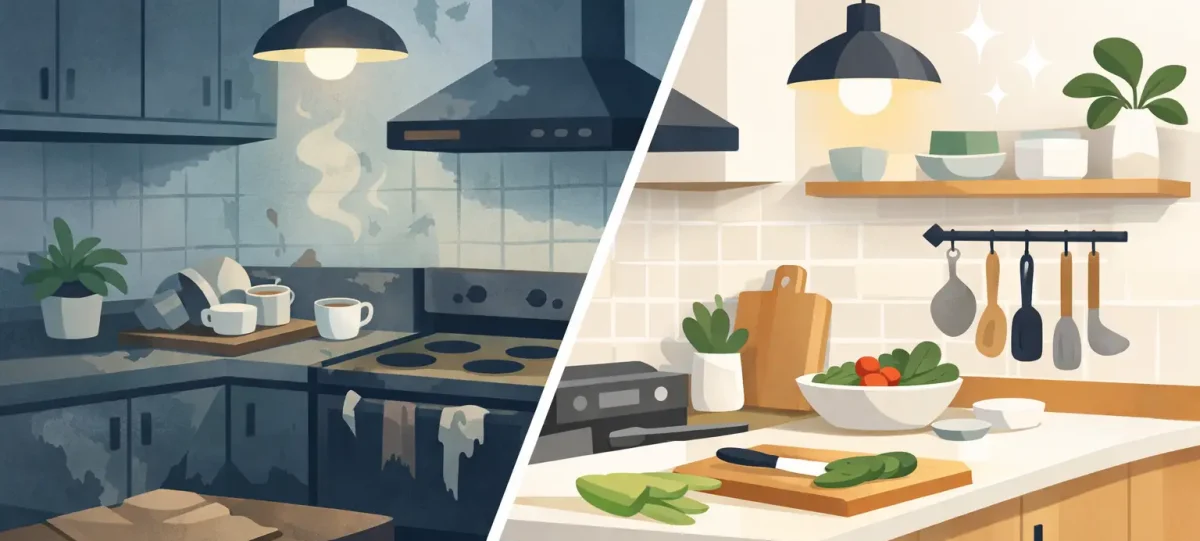
A kitchen can start to feel dated long before it stops working properly. Doors still close, drawers still open, and the layout still suits the house – but the room looks flat, worn and a bit unloved. If you are wondering how to revive tired kitchens without taking on the cost, dust and disruption of a full refit, the good news is that the biggest improvements often come from keeping what still works and upgrading what people actually see.
How to revive tired kitchens without ripping everything out
The first step is being honest about what is really tired. In many homes, the cabinetry is structurally sound, but the finish has faded, handles have aged the look, and the worktops no longer lift the room. That is very different from a kitchen with serious water damage, poor storage or a layout that never worked in the first place.
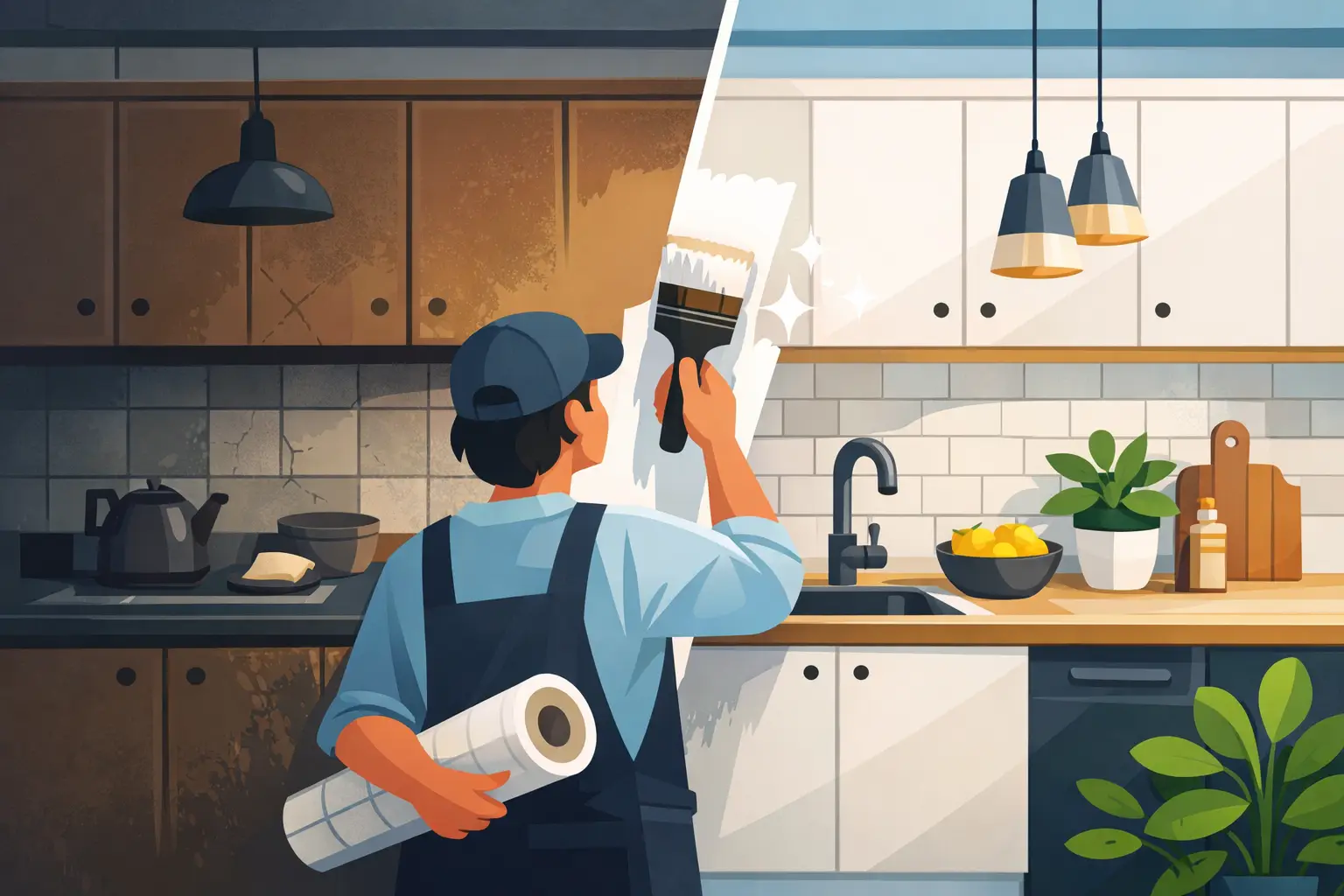
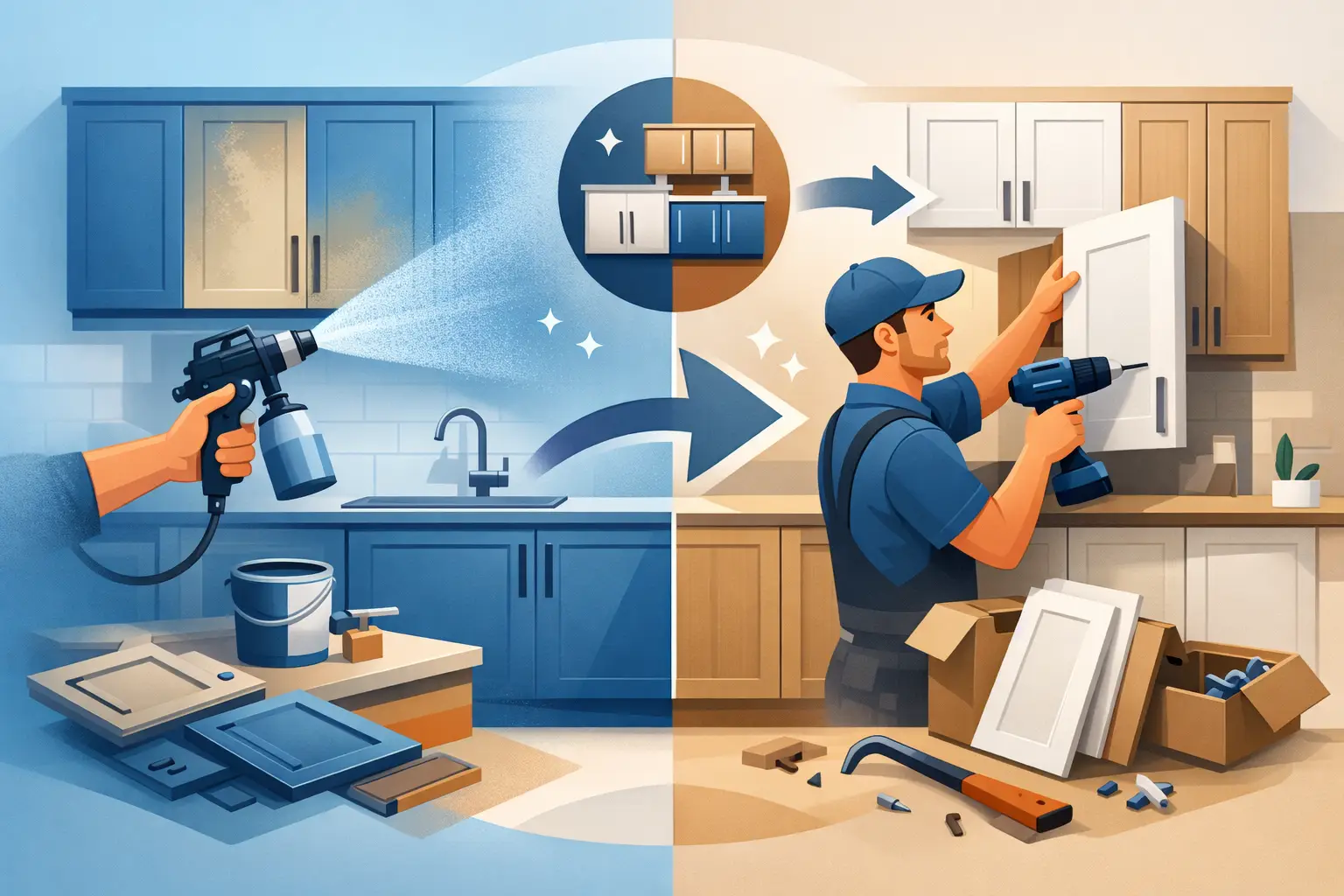
This matters because it changes the smartest route forward. A full renovation makes sense when the kitchen is failing functionally. But if the problem is mostly visual, replacing everything can be an expensive answer to the wrong question. Professional respraying, updated hardware and a few carefully chosen surface changes can create a stunning transformation at a fraction of the cost.
For many homeowners, that balance is the sweet spot. You improve the space you use every day, avoid unnecessary waste, and get a finish that feels fresh rather than patched together.
Start with the cabinets, because they set the tone
Cabinets dominate the room visually. If they look dated, the whole kitchen feels dated. This is why cabinet respraying is often the most effective way to revive a tired kitchen.
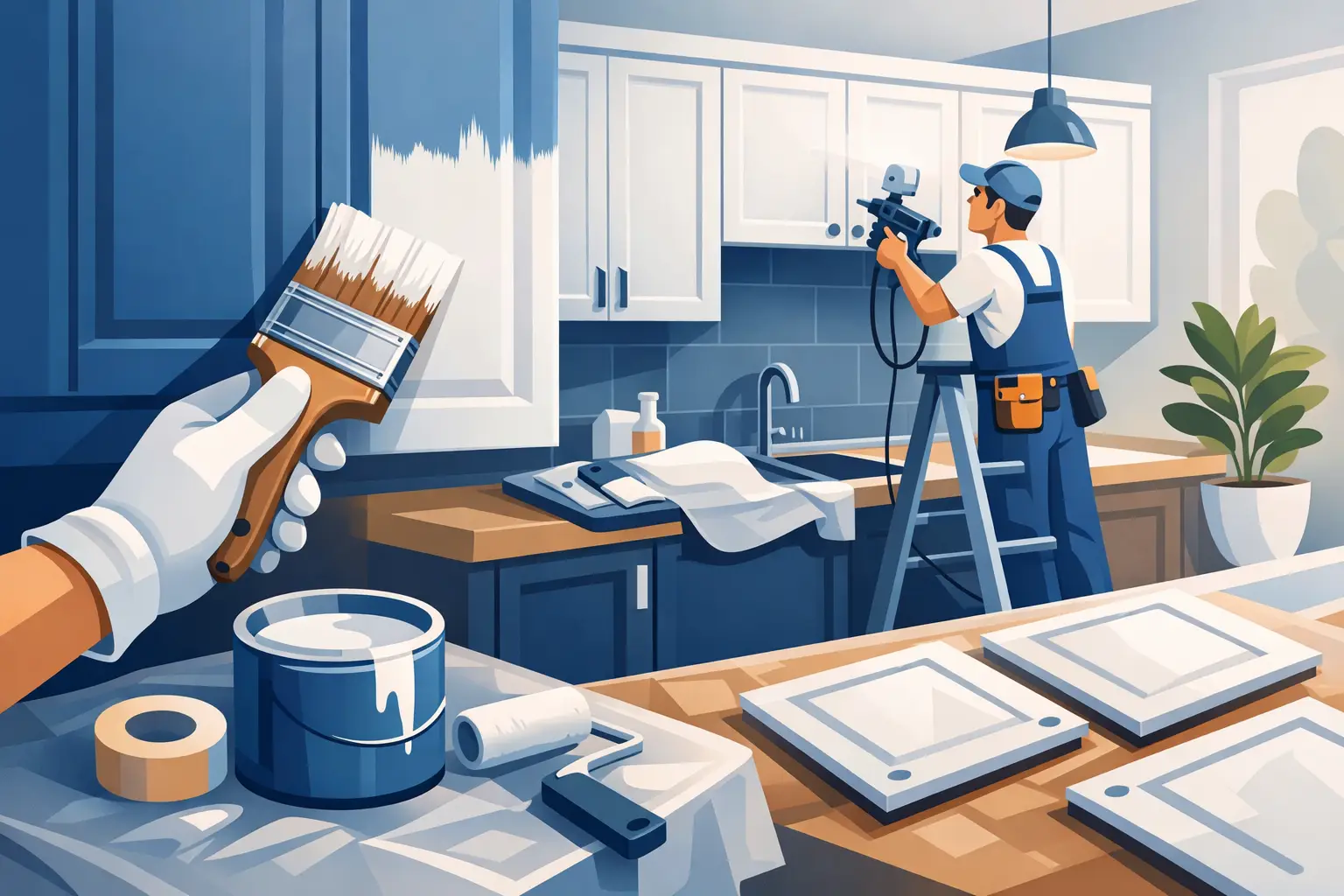
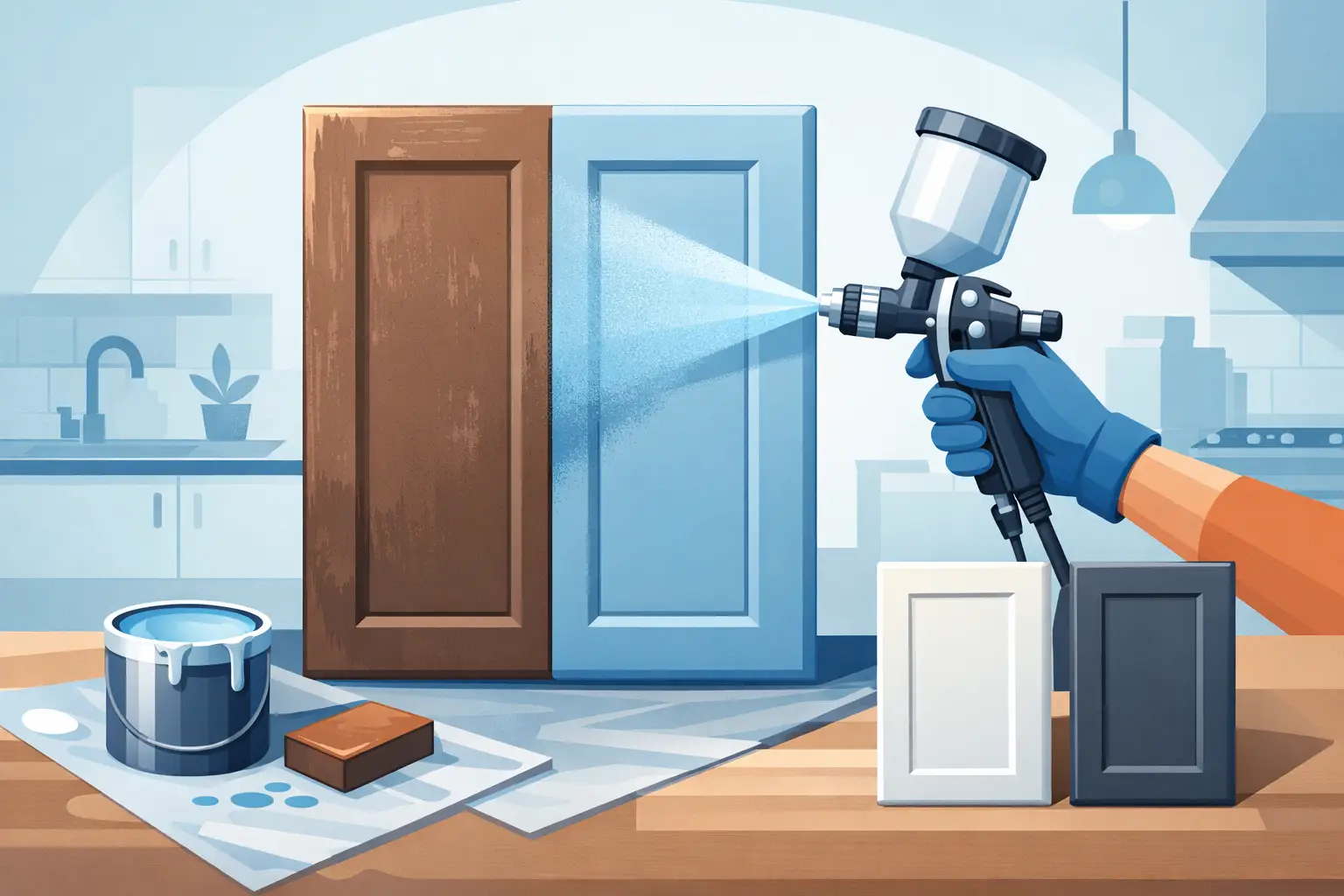
A professional respray gives existing doors and drawer fronts a smooth, durable finish that looks far superior to most DIY painting attempts. It is not simply a case of brushing on a new coat and hoping for the best. Proper preparation, specialist products and controlled spraying are what produce that clean, factory-style result homeowners want.
Colour choice matters here. Warm whites, soft greys, taupe and muted greens continue to work well because they brighten the room without feeling stark. Darker shades such as navy or charcoal can look striking too, but they depend on the amount of natural light in the space. In a small or shaded kitchen, going too dark can make the room feel heavier rather than more refined.
There is also the question of finish. Matt can look contemporary and elegant, but it may show marks more easily in a busy family kitchen. Satin often gives a practical middle ground – polished enough to feel new, durable enough for daily life.
Worktops can change the look more than people expect
Once cabinets are refreshed, old worktops often become the next obvious issue. They may be scratched, dull or simply stuck in another decade. Replacing them is one option, but not always the most sensible one.
If the worktops are still solid, resurfacing can be a far more affordable move. Spray granite finishes, for example, offer a hard-wearing way to update tired surfaces with a modern stone-effect appearance. This can be particularly useful when a homeowner wants the visual lift of a premium finish without the upheaval of removing and replacing perfectly serviceable worktops.
The same thinking applies to splashbacks and wall tiles. If the shape and layout are fine but the finish is dated, resurfacing may deliver the result you want with much less disruption. That is often the real value in a kitchen refresh – not just spending less, but preserving your normal routine.
Small details often date a kitchen faster than big ones
When people think about reviving a kitchen, they often jump straight to cupboards and worktops. Yet the finer details can have an outsized effect.
Handles are a good example. Swapping old brass-effect or bulky curved handles for slimmer black, brushed steel or simple contemporary designs can sharpen the whole room. The change is relatively modest, but visually it tells the eye that the kitchen has been updated.
Lighting deserves the same attention. A kitchen with tired finishes can still feel inviting if the lighting is layered properly, while a newly sprayed kitchen can fall flat under harsh or inadequate fittings. Under-cabinet lighting, warmer LED tones and better task lighting over prep areas make the room look more considered and more expensive.
Even the tap can influence the overall feel. An old, scaled-up tap next to a fresh cabinet finish can stand out for the wrong reason. You do not need to replace every fitting, but you do need consistency.
How to revive tired kitchens on a sensible budget
A budget refresh works best when you prioritise what gives the strongest visual return. In most cases, cabinets come first, then worktops or splashbacks, then hardware and lighting. Flooring can matter too, but it depends how visible it is and whether it clashes with the new finish.
This is where many homeowners save money by doing too much in the wrong order. They repaint walls, buy new accessories and replace stools, but the old cabinet finish still drags the room down. The result is a kitchen that has had money spent on it without ever looking properly transformed.
A more strategic approach is to focus on fixed surfaces first. Once those are refreshed, decorative touches start to work harder. Bar stools, blinds, paint colours and open shelving can all complement the update, but they should support the main transformation rather than try to distract from worn cabinetry.
For households in Dublin and nearby counties where property standards matter and good renovation choices protect long-term value, this approach makes practical sense. You improve the appearance and usability of the kitchen without overspending on a room that may not need a full structural rethink.
DIY or professional finish?
There is always a temptation to tackle kitchen updates yourself, especially with so many online tutorials making it look straightforward. For minor changes such as replacing handles or repainting walls, DIY can be perfectly reasonable.
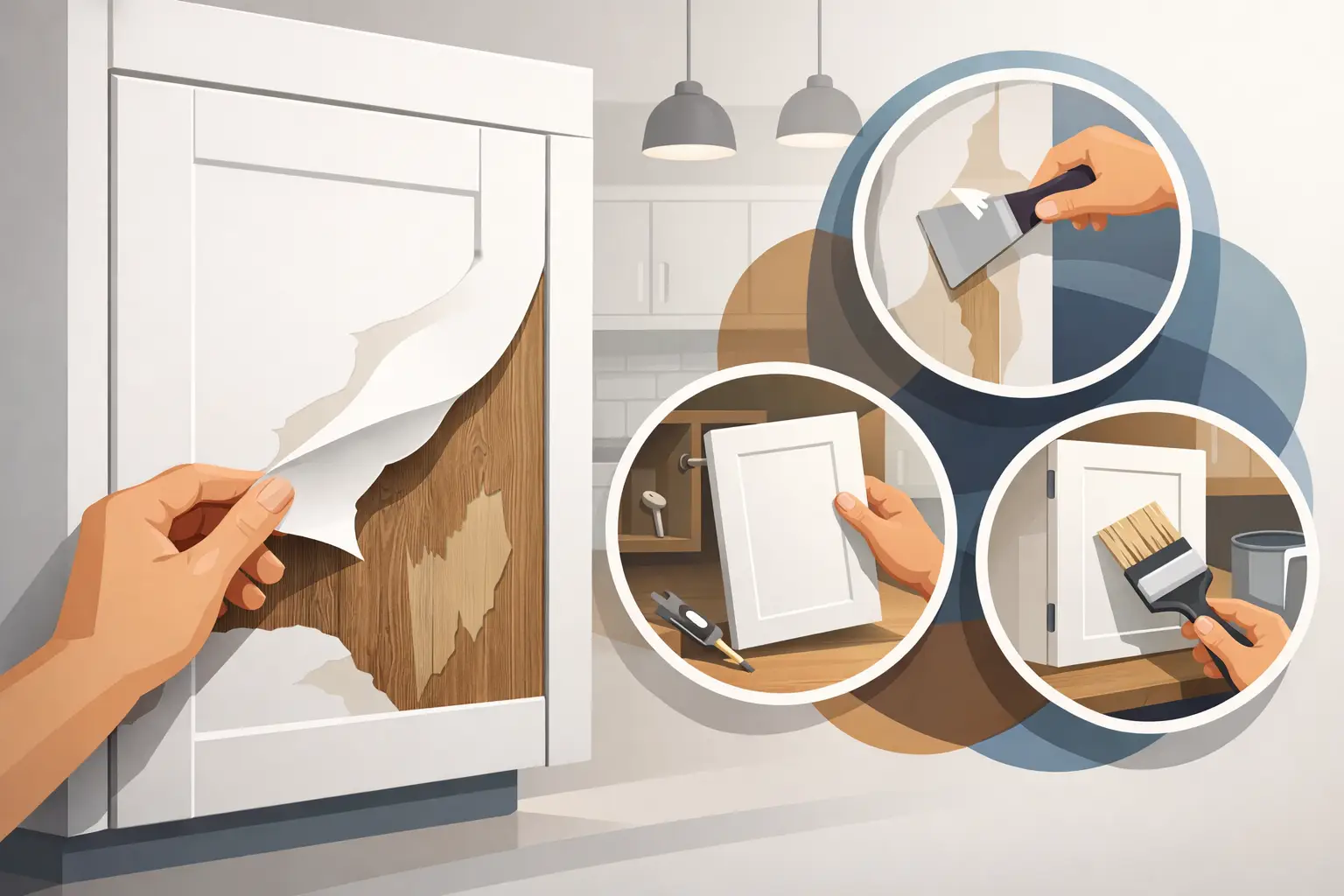
Cabinet painting is different. Kitchens are high-use environments with grease, steam, knocks and daily cleaning. A finish that looks acceptable on day one can chip, streak or yellow surprisingly quickly if the wrong preparation or products are used. Brush marks, uneven coverage and poor adhesion are common problems.
That is why professional spraying tends to be the better choice when the goal is a lasting result. The finish is smoother, the durability is stronger, and the overall look is more consistent. It also removes the trial-and-error cost that often comes with do-it-yourself projects that need redoing.
The same applies to specialist surface coatings. Whether you are refreshing tiles, worktops or cabinetry, a trusted professional will assess what can be restored properly and what may be better replaced. That kind of honesty matters.
Think about function as well as finish
A kitchen should not only look better after an update. It should feel better to use.
Sometimes that means straightforward improvements such as adding soft-close hinges, reorganising awkward storage or replacing a damaged plinth. Sometimes it means reassessing visual clutter. Too many items left on the worktop can make even a freshly updated kitchen feel busy and tired.
This does not mean stripping all personality out of the room. It means being selective. A few quality pieces, better storage habits and more usable lighting can make the kitchen feel calmer and more spacious.
If your layout genuinely works, these practical changes often go further than people expect. You notice the kitchen looking smarter, but you also notice breakfast runs, school lunches and evening cooking feeling less chaotic.
The best kitchen revivals feel intentional
The strongest results usually come from a clear plan rather than a string of disconnected upgrades. Choose a direction first. Do you want brighter and more modern, warmer and more classic, or cleaner and more minimal? Once that decision is made, the rest becomes easier – cabinet colour, worktop finish, handle style and wall paint all start to work together.
That is where an expert eye is valuable. A professional team can often spot when a kitchen needs less than the homeowner fears, or when one weak element will undermine the whole look if left untouched. At Dublin Kitchen Respray, that practical thinking is central to the process. The aim is not to push a full renovation mindset into every home, but to deliver a professional transformation that suits the kitchen, the budget and the way the household actually lives.
If your kitchen feels tired, do not assume the only fix is to start from scratch. Very often, the smartest improvement is the one that respects what is still good, upgrades what is letting the room down, and leaves you with a space that feels fresh, durable and genuinely enjoyable to use again.