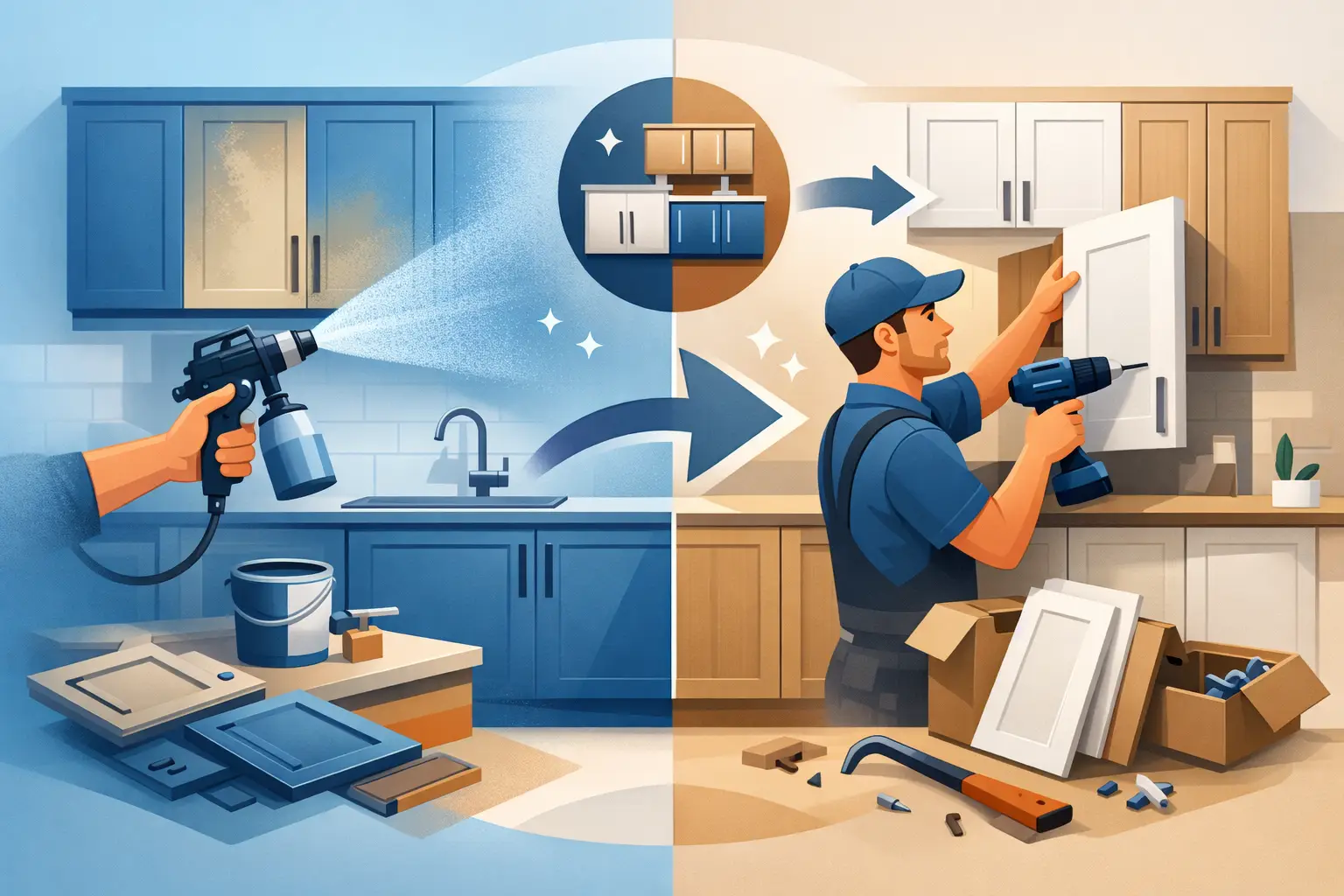
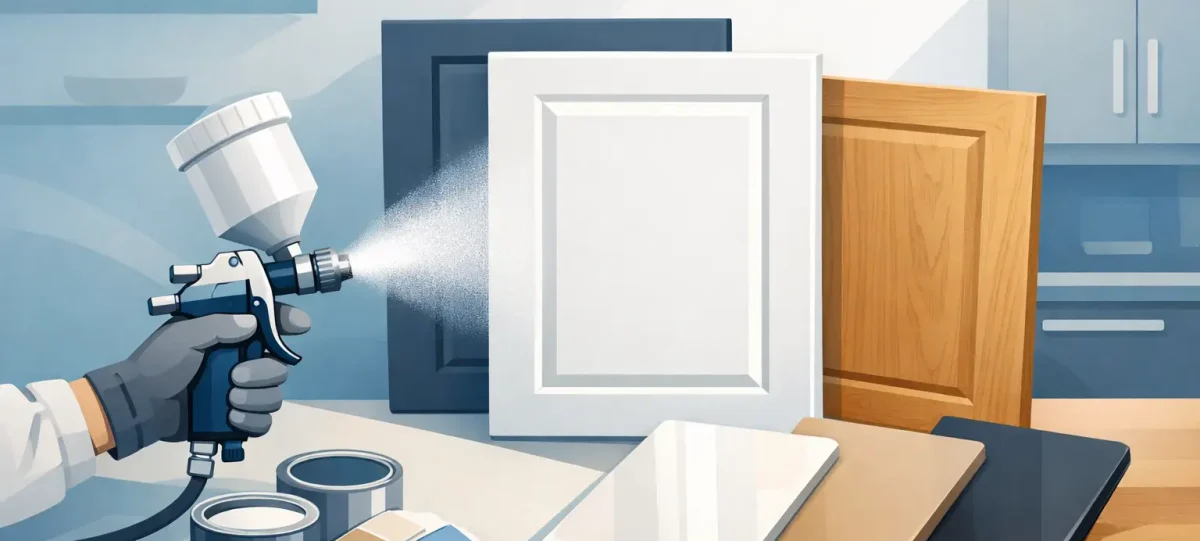
A cabinet door can look flawless on the day it is sprayed and still disappoint six months later if the finish is wrong. That is why choosing the best finishes for spray painted cabinets matters just as much as choosing the right colour. In a busy kitchen, the finish affects how light bounces around the room, how easily fingerprints show, and how well the surface stands up to daily cleaning.
For most homeowners, the right choice comes down to a balance between appearance and practicality. A finish that looks stunning in a showroom may feel high-maintenance in a family kitchen. On the other hand, a finish selected only for durability can leave the space looking flatter or more clinical than expected. The best result is one that suits the cabinetry, the amount of use it gets, and the overall style of the room.
What cabinet finish actually means
When people talk about cabinet finishes, they often mean sheen level rather than paint colour. Sheen refers to how reflective the painted surface is once cured. On spray painted cabinets, the most common options are matt, satin and gloss, with soft-sheen finishes sitting somewhere between matt and satin.
This matters because sheen changes both the look and the performance of the paint. Higher sheen tends to reflect more light and can be easier to wipe down, but it also shows more surface flaws. Lower sheen gives a softer, more contemporary look, though it can mark more easily if the wrong coating is used.
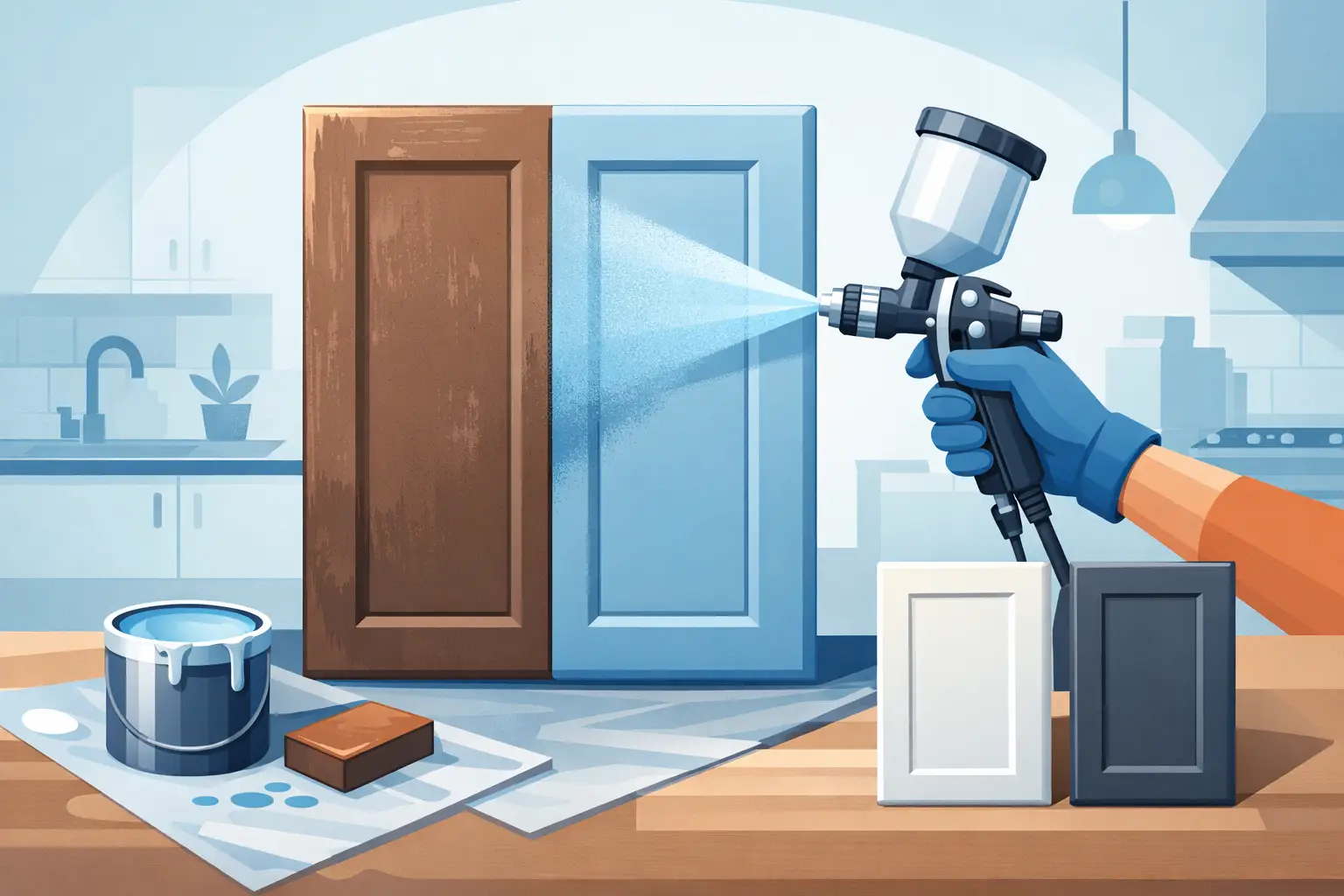
With professional spraying, the finish also depends on the coating system itself. A high-quality sprayed lacquer or specialised furniture paint will behave very differently from a standard brush-on product. That is one reason professionally resprayed kitchens tend to achieve a more durable and even result.
Best finishes for spray painted cabinets in real homes
There is no single answer that suits every kitchen. The best finishes for spray painted cabinets depend on how you use the space and what you want it to feel like.
Satin is the safest all-round choice
If a homeowner asks for one finish that offers the best balance, satin is usually the front-runner. It has a gentle, refined sheen that gives cabinetry a clean, premium look without tipping into a high-gloss effect. It works especially well in kitchens that need to feel bright and fresh but not overly shiny.
From a practical point of view, satin is forgiving. It is easier to clean than a very flat matt finish, and it tends to hide fingerprints, minor scuffs and surface imperfections better than gloss. In family kitchens, that balance is hard to beat.
Satin also suits a wide range of styles. It looks right at home on classic shaker doors, slab cabinets and more traditional units that need updating without losing character. If you are investing in a respray because you want a durable, affordable transformation rather than a full renovation, satin is often the most dependable finish.
Matt works well for a softer, modern look
Matt finishes have become increasingly popular, particularly in contemporary kitchens. They create a calm, understated appearance and allow the cabinet colour to take centre stage. Darker tones in matt can look especially smart and architectural.
That said, matt is not always the easiest option in a hardworking kitchen. Lower-sheen surfaces can show greasy marks around handles and cooking areas, especially on lighter colours or deep blues and greens. Cleaning needs a bit more care too, because aggressive scrubbing can dull some matt coatings over time.
A high-performance sprayed matt finish can still be an excellent choice, but it needs to be the right product and applied properly. For homeowners who love the look but worry about maintenance, a low-sheen or soft-satin finish often gives a similar visual effect with slightly better day-to-day performance.
Gloss gives impact, but it is less forgiving
Gloss finishes are known for their reflective, polished appearance. In the right space, they can make a kitchen feel lighter and more contemporary. They are especially effective in smaller or darker rooms where extra light reflection is useful.
The trade-off is that gloss tends to show more. Surface imperfections, fingerprints, smudges and even dust can become more noticeable. If the cabinet doors themselves are not in very good condition, a gloss finish may draw attention to that rather than hide it.
Gloss can also feel a little too sharp for some homes, particularly if the rest of the interior style is warm or traditional. It suits certain modern schemes very well, but it is not automatically the best option simply because it looks dramatic.
How durability changes with different finishes
Homeowners often assume the shinier the finish, the tougher it is. That is not always true. Durability depends as much on the coating quality, preparation and curing process as it does on sheen level.
A professionally sprayed satin or matt finish using specialist products can outperform a cheaper gloss paint with ease. Proper sanding, cleaning, priming and controlled spraying all play a part in creating a surface that bonds well and resists wear.
In kitchens, durability usually comes down to resistance to moisture, grease, repeated wiping and knocks around handles and edges. Satin performs strongly in these areas, which is why it remains the most practical recommendation for many homes. Matt can also perform well when premium coatings are used, but it may still need a little more care. Gloss is generally wipeable, but because it shows marks more readily, owners often end up cleaning it more often.
Choosing a finish based on cabinet style
Not every finish flatters every cabinet door equally. Shaker kitchens, for example, usually benefit from satin or soft matt. These finishes enhance the detail without making the frames look too harsh or reflective. They preserve a timeless look while still feeling updated.
For completely flat slab doors, the choice is wider. Satin looks clean and contemporary, matt feels understated and modern, and gloss can create a sleek fitted look. The right decision depends more on the room than the door style alone.
If the cabinets have minor wear, repaired areas or visible grain, a softer sheen is often more forgiving. Gloss highlights every detail, including the ones you may prefer not to notice.
Light, colour and the finish you choose
The same paint colour can look different depending on the finish. A satin navy can feel elegant and rich, while a matt navy may appear softer and more muted. A gloss white will bounce light around the room, but a satin white often feels warmer and easier to live with.
Natural light also changes the picture. In bright kitchens, gloss can become quite intense, particularly on large banks of cabinetry. In rooms with limited light, it may help open the space up. Satin is generally more adaptable across different lighting conditions, which is another reason it is such a popular choice.
For homes across Dublin and the surrounding counties, where light levels can vary quite a bit from room to room, it makes sense to choose a finish that performs consistently through changing weather and seasons.
Why professional spraying makes such a difference
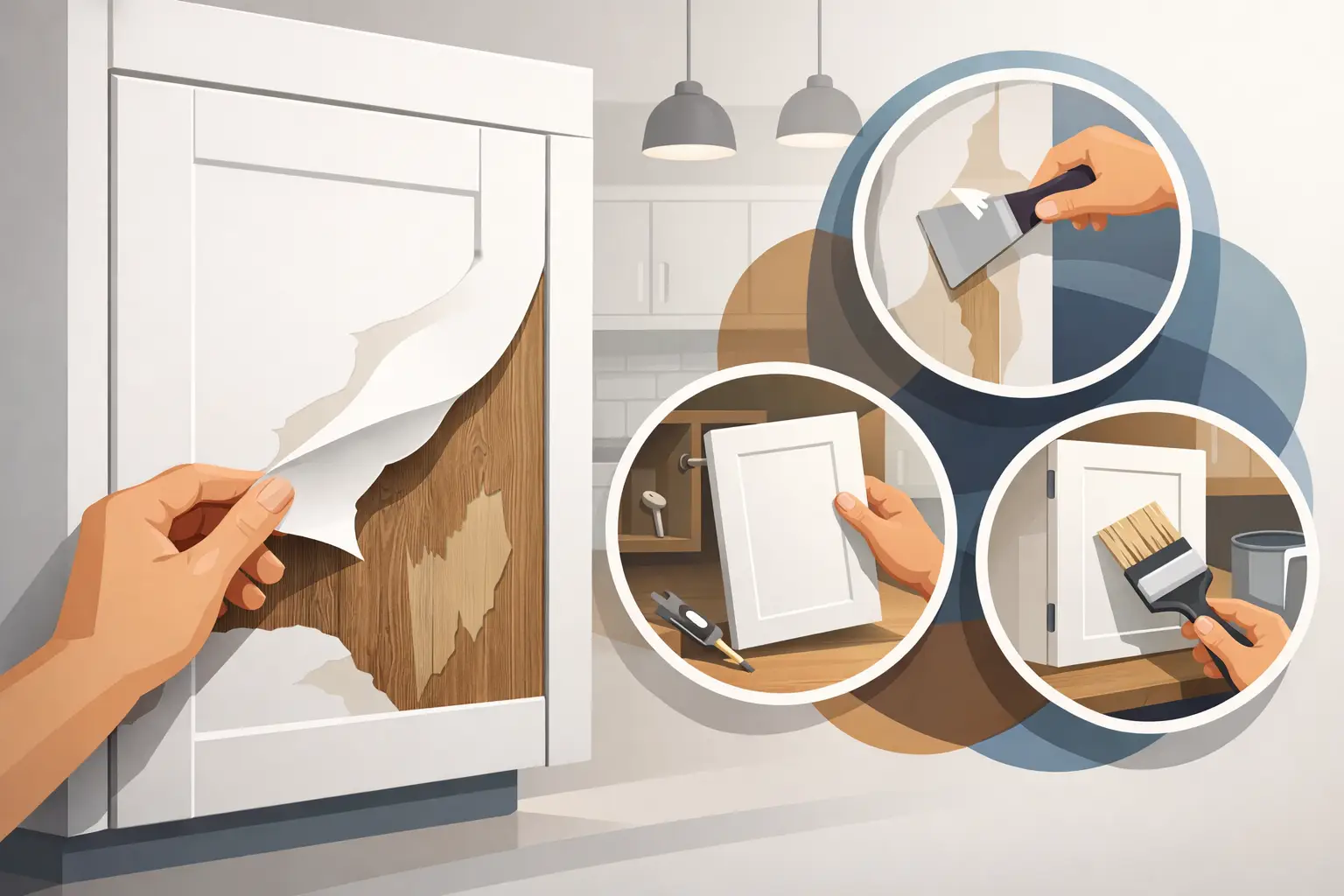
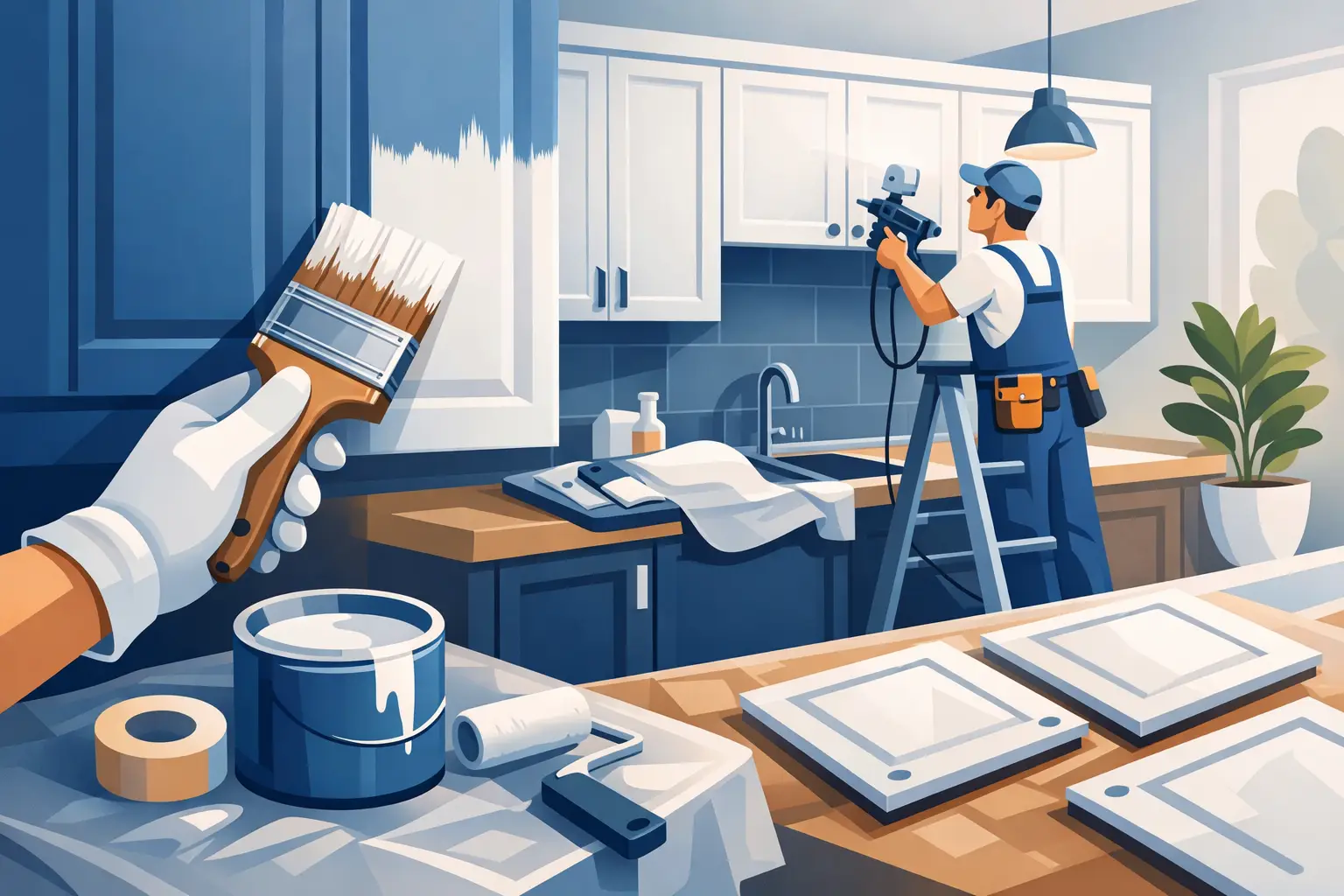
Even the best finish can fall short if it is applied badly. Brush marks, uneven texture, poor adhesion and weak topcoats all reduce both the appearance and lifespan of painted cabinets. Professional spray application creates a much finer, smoother finish and allows specialist coatings to cure as intended.
That matters if you want cabinets that not only look freshly fitted, but stay looking that way. A trusted respray specialist will also advise honestly on whether a matt, satin or gloss finish suits the condition of your existing doors. Sometimes the most attractive option on paper is not the one that will give the most professional result in practice.
This is where experience becomes valuable. A professional team can assess wear around hinges, edges and high-touch areas, then recommend a finish that gives you the strongest combination of style and longevity.
So which finish is best?
For most kitchens, satin is the best overall finish for spray painted cabinets. It is durable, easy to maintain and visually versatile. It offers enough sheen to feel polished and high quality, without the maintenance demands and surface emphasis that often come with full gloss.
Matt is a strong option if your priority is a softer, modern look and you are happy to be a little more careful with cleaning. Gloss works best when you want a sharper contemporary feel and the cabinet surfaces are in excellent condition.
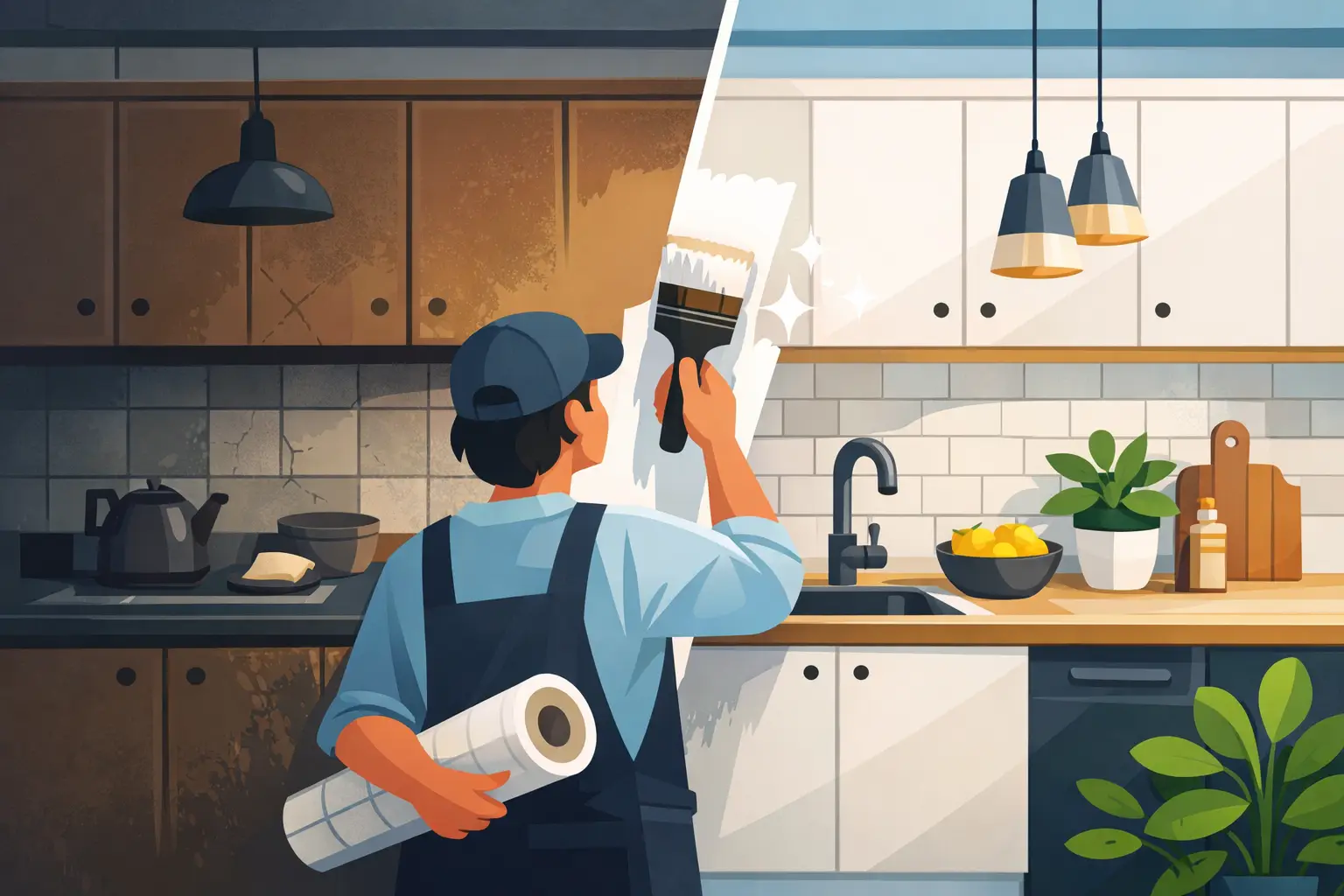
The right finish is the one that still looks good on an ordinary Tuesday morning, not just on the day the job is completed. If you are respraying to improve your kitchen without the cost and disruption of replacing it, choose the finish that suits how you actually live. A beautiful kitchen should also be practical enough to enjoy.