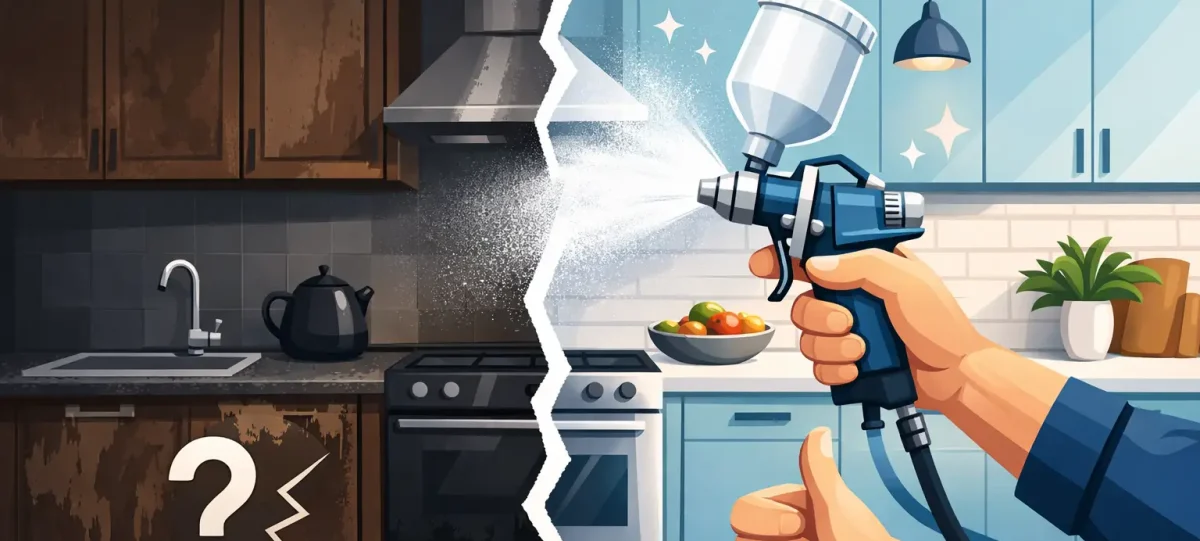
A tired oak kitchen can make the whole room feel dated, even when the cabinets are still solid, well laid out and perfectly usable. That is where a kitchen respray service review becomes useful: it should look beyond dramatic before-and-after photographs and assess the finish, preparation, disruption and long-term value. For many homeowners, respraying is a practical alternative to removing a kitchen that has plenty of life left in it.
What a kitchen respray service review should assess
A professional respray changes the visible finish of existing cabinetry rather than replacing the cabinet boxes, doors or drawers. The result can be a striking shift in colour and style, from dated timber tones to contemporary soft whites, greys, greens or darker painted finishes. However, the quality of the result depends far more on the workmanship underneath the paint than on the colour chosen.
A useful review starts with the condition of the kitchen. Sound doors, stable units and working hinges are good candidates for spraying. Small chips, old handle holes and minor surface marks can usually be repaired as part of preparation. Swollen chipboard, water-damaged cabinets, delaminating doors or severely warped panels need an honest assessment first. Paint cannot correct structural damage, and a trusted provider should say so.
The scope also matters. A complete visual transformation may include doors, drawer fronts, end panels, plinths and cornices, while the cabinet interiors are normally retained. Handles can be replaced to suit the new look, and worktops or tiles may be updated separately. This allows homeowners to direct their budget towards the parts of the room that will make the greatest difference.
Kitchen respray service review: finish and durability
The main question is simple: will the finish stand up to everyday family life? When carried out correctly, a sprayed kitchen finish is designed to be hard-wearing, smooth and consistent. Unlike brush painting, professional spraying avoids visible brush marks and gives doors a refined, factory-style appearance.
Preparation is the deciding factor. Doors and removable components should be taken down, cleaned thoroughly and prepared to create a suitable surface for adhesion. Repairs need to be completed before coating begins. Careful masking protects appliances, walls, floors and work areas, while controlled spray application helps achieve an even colour across every component.
Drying and curing are not the same thing. A surface can feel dry quickly but still need time to reach its full toughness. Your provider should explain when cabinets can be refitted, when handles can be used normally and how to care for the finish during the early curing period. Rushing this stage can compromise an otherwise excellent job.
Durability also depends on how the kitchen is treated afterwards. Gentle cleaning with a soft cloth and non-abrasive products is usually the sensible approach. Scouring pads, harsh solvents and repeated impact from heavy objects can damage most painted surfaces, including professionally sprayed ones. A quality respray is hard-wearing, but it is not indestructible.
Where respraying delivers real value
Replacing a kitchen is not only expensive. It can involve removing units, changing plumbing or electrics, replastering, flooring work and weeks of disruption. If the layout works and the cabinetry is in sound condition, that level of upheaval may be unnecessary.
Respraying retains the parts of the kitchen that are still doing their job. This can make it a more affordable route to a fresh, modern space, while reducing the waste sent away with a full replacement. For homeowners who want a high-impact improvement without turning their home into a building site, this balance is often the strongest reason to choose it.
The value is particularly clear in well-built kitchens from previous decades. Their construction may be better than expected, but the door colour, handles and worktops can date the room. A carefully selected paint colour, modern hardware and updated surfaces can change the character of the kitchen without sacrificing sturdy existing units.
That said, respraying is not automatically the least expensive option in every case. A very small kitchen with simple, readily available replacement doors may warrant a comparison. Equally, a kitchen with extensive water damage or an impractical layout could be better suited to a broader renovation. The right choice depends on the condition of the room and what you need it to do over the coming years.
The process should feel organised, not disruptive
A professional service begins with a clear assessment and a discussion about colour, sheen, repairs and which elements are included. Sheen is worth considering carefully. A matt or low-sheen finish has a contemporary appearance and can soften light in a larger kitchen, while a satin finish is often a practical choice for busy households because it is easier to wipe clean.
Before work begins, kitchens need sensible preparation. Clearing worktops, removing personal items and making arrangements for access allows the team to protect the area properly and work efficiently. Depending on the project, doors may be sprayed away from the main kitchen while fixed sections are carefully prepared and coated on site.
Good communication matters as much as the spray work itself. You should know the expected schedule, whether you will be able to use the kitchen at particular stages, and what happens if repairs are uncovered once preparation starts. Dublin Kitchen Respray approaches these details as part of the service, because a stunning finish is only one part of a positive customer experience.
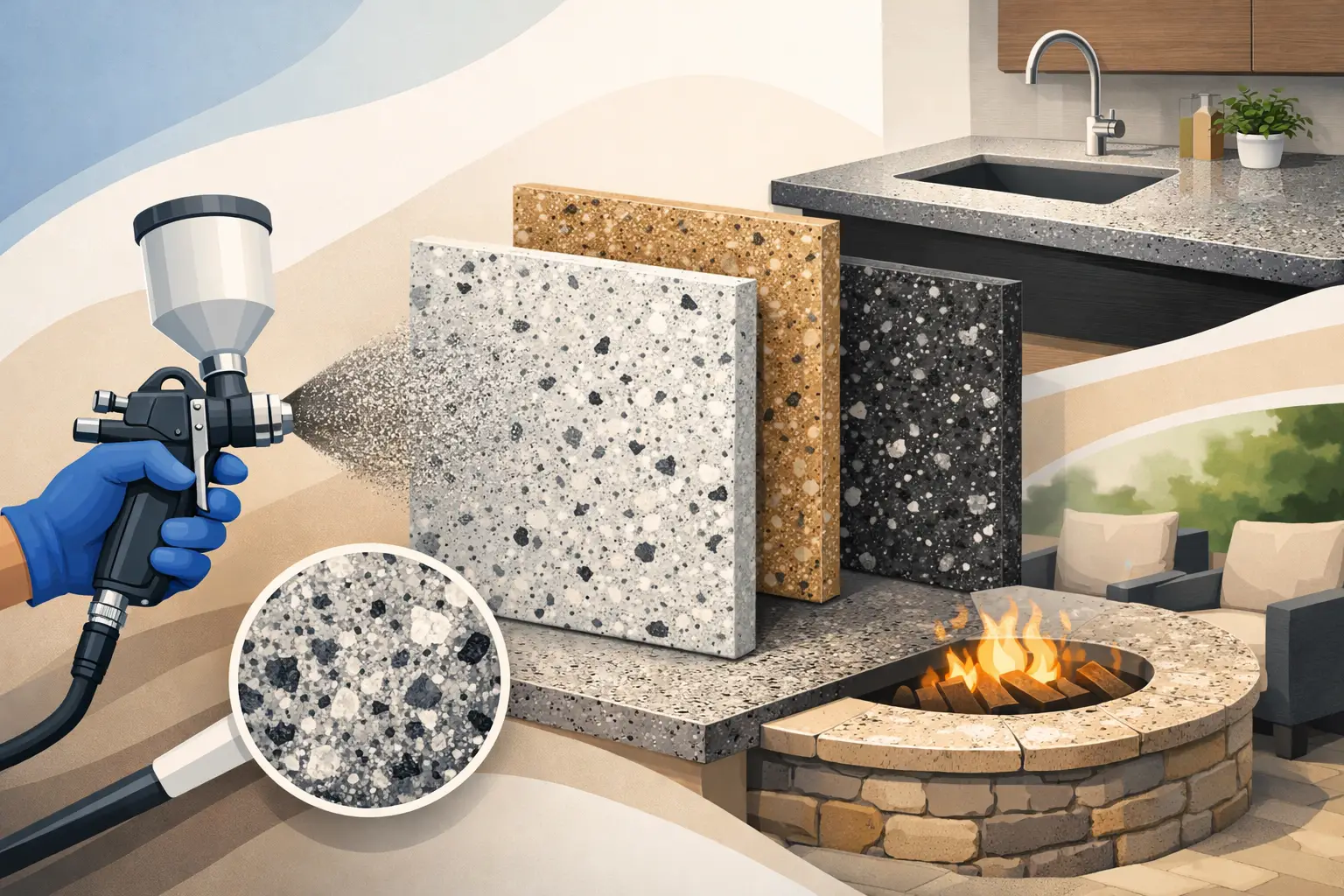
For a more complete update, consider the surfaces around the cabinets. Spray granite can refresh worn worktops, splashbacks, tiles, floors and even bathroom surfaces, helping the new cabinet colour feel intentional rather than isolated. It is not essential for every project, but it can be a cost-effective option when replacing good, serviceable surfaces would create unnecessary waste.
When a respray may not be the right answer
An honest review should include the limitations. If cabinets are breaking down due to moisture, if doors are beyond practical repair, or if you need major changes to storage, appliance positions or room layout, a respray alone will not solve the underlying issue. It enhances what is there; it does not redesign the kitchen.
There can also be a mismatch between expectations and the existing material. Deeply textured doors, damaged vinyl coatings and certain laminate surfaces require a specialist assessment. They may still be suitable, but the preparation method and expected finish must be discussed clearly. The best outcome comes from choosing a service based on the actual condition of the kitchen, not simply on a photograph.
How to judge a provider before booking
Look for evidence of careful preparation, not just colourful finished images. Ask what repairs are included, how the surrounding kitchen will be protected and what coating system is used. It is also sensible to ask about curing, aftercare and the expected timeframe for your particular kitchen.
Pay attention to how clearly the company answers questions about damaged areas or difficult surfaces. A professional provider will not promise that every kitchen can be made perfect without seeing it. They will explain the options, set realistic expectations and recommend the approach that offers the best lasting value.
Colour advice should be practical as well as stylish. A pale shade can brighten a compact Dublin kitchen with limited natural light, while a richer tone may bring depth to a larger room. Samples viewed in your own home are helpful because daylight, artificial lighting and surrounding worktops all influence how a colour appears.
A respray is most rewarding when it is treated as a considered improvement rather than a quick cover-up. If your cabinets are structurally sound, your layout still works and you want a cleaner, more current look with less waste and disruption, arranging an expert assessment is a sensible next step.