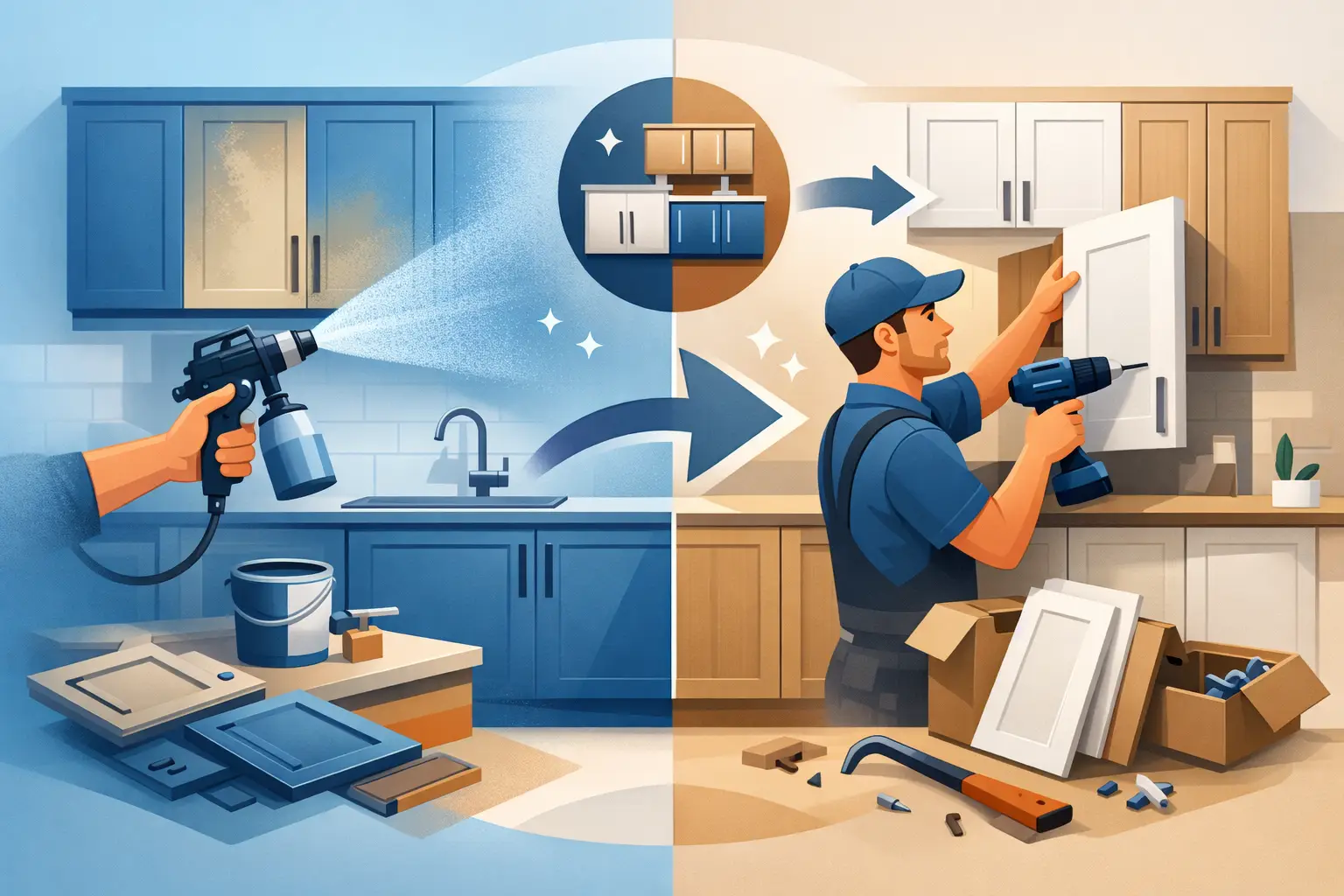
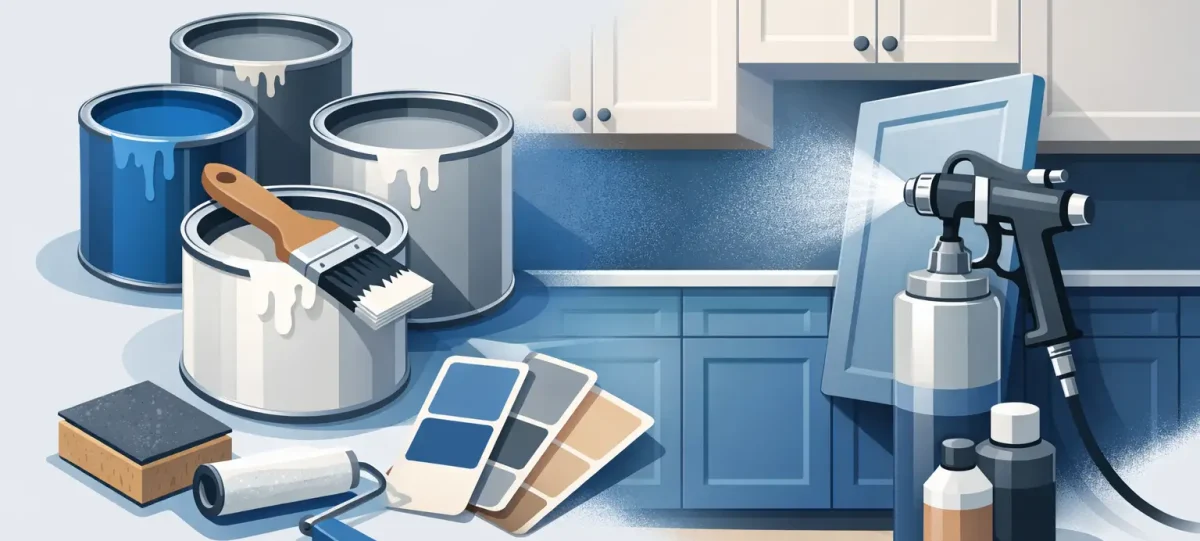
A cabinet respray can look exceptional or disappointing for one simple reason – the paint system. When homeowners ask about the best paint types for cabinet respray, they are usually really asking three things at once: what will last, what will look the part, and what will make sense for the way their kitchen is used every day.
That matters more than most people expect. Kitchen cabinets deal with grease, steam, knocks, cleaning products and constant handling. A paint that looks lovely on a sample board can struggle badly on busy cupboard doors. The right choice is not just about colour. It is about adhesion, hardness, flexibility, cleanability and how the finish behaves over time.
What makes a cabinet paint suitable?
Cabinets need a finish that cures to a hard, durable surface without becoming brittle. It also needs to bond properly to existing doors and panels, especially if they have already been factory-finished, laminated or previously painted. That is why ordinary wall paint is never suitable, and standard wood paint is often a compromise rather than the best option.
A good cabinet coating should resist scuffs, moisture and household cleaners. It should also level well, so the final result looks smooth and refined rather than brush-marked or patchy. In a kitchen, appearance and durability are tied together. A coating that chips around handles or softens near the cooker will quickly make the whole room feel tired again.
Best paint types for cabinet respray in practice
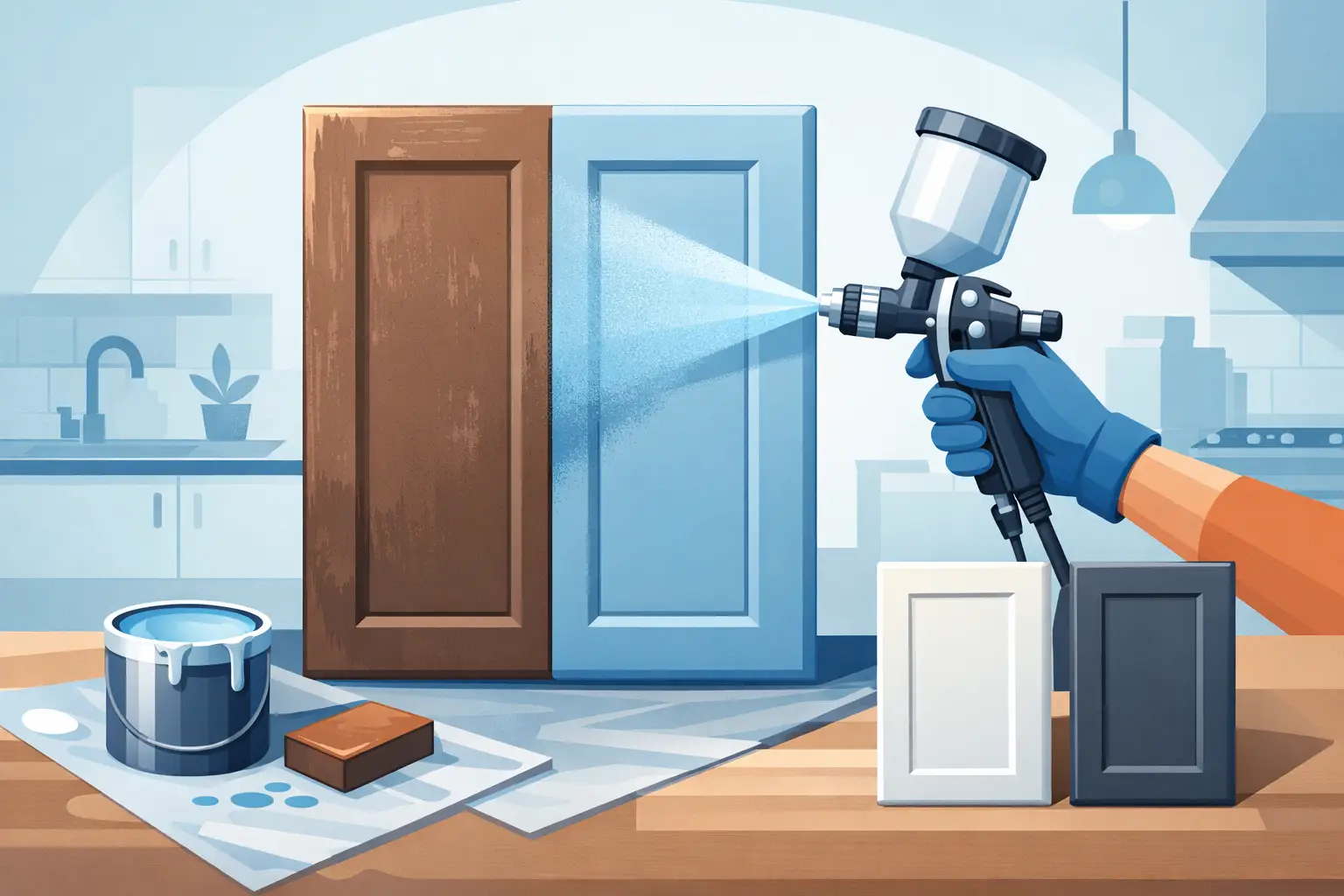
When professionals talk about the best paint types for cabinet respray, they are usually referring to spray-applied coatings designed for joinery and furniture rather than general decorating paints. The most reliable options tend to fall into three groups.
Water-based acrylic polyurethane
This is one of the most popular modern choices for cabinet respraying, and for good reason. It offers a very strong balance of durability, lower odour and a clean, consistent finish. It cures harder than standard acrylic paint and stands up well to regular use in kitchens and utility rooms.
For many households, this is the sensible middle ground. It gives an excellent sprayed finish, retains colour well and is generally easier to work with in occupied homes than some stronger solvent-heavy systems. It is also a strong option for clients who want a more eco-friendly approach without sacrificing performance.
That said, not all water-based products are equal. Trade-grade cabinet coatings perform very differently from lower-cost retail paints. The chemistry matters, and so does the primer underneath.
Solvent-based polyurethane or lacquer systems
If ultimate hardness and chemical resistance are the top priorities, solvent-based systems still have their place. These coatings can deliver an exceptionally smooth, furniture-grade finish and very strong resistance to wear, stains and repeated cleaning.
They are often a strong choice for high-traffic kitchens, darker colours, and homes where cabinets take a lot of daily punishment. In terms of finish quality, they can be outstanding.
The trade-off is that they usually come with stronger odours, stricter application requirements and less convenience in lived-in spaces. They are not automatically the best choice for every home, especially where ventilation or household disruption is a concern.
Two-pack coatings
Two-pack paints, sometimes called 2K systems, are among the toughest finishes available for cabinetry. They use a hardener mixed with the paint to create a highly durable cured surface. This makes them especially appealing for premium projects and demanding environments.
Used correctly, they provide excellent adhesion, hardness and longevity. They are often chosen where clients want a very resilient result with a sleek, factory-style appearance.
However, this is not a casual DIY material. Two-pack products require proper equipment, skill and safety controls. The finish can be excellent, but the success of the job depends heavily on preparation, mixing accuracy and spraying conditions.
The finish matters as much as the paint
Choosing the best paint type is only half the decision. Finish level changes how cabinets look and how forgiving they are in everyday use.
Matt and extra matt
Matt finishes can look stylish and contemporary, particularly in calmer neutral schemes. They soften light and suit modern interiors beautifully. The downside is practicality. Lower-sheen finishes can mark more easily and may show finger marks, grease and abrasion sooner, especially on darker shades.
For wardrobes or lower-contact furniture, matt can work well. For busy kitchen cabinets, it is often better to be careful rather than simply follow trends.
Satin
Satin is often the sweet spot for kitchen resprays. It gives a refined, modern look without the sharper reflectivity of gloss. It is easier to keep clean than matt and tends to hide small surface imperfections better than very high-sheen finishes.
For many professional respray projects, satin offers the best balance of elegance and practicality.
Gloss
Gloss can be striking, particularly in contemporary spaces or where homeowners want a crisp, polished feel. It is generally easier to wipe down, but it also highlights every flaw. Surface prep needs to be excellent, because gloss reflects dents, repairs and unevenness more readily.
Used in the right kitchen, it can look stunning. Used in the wrong setting, it can feel harsh or expose defects that a satin finish would disguise.
Why primer and preparation cannot be separated from paint choice
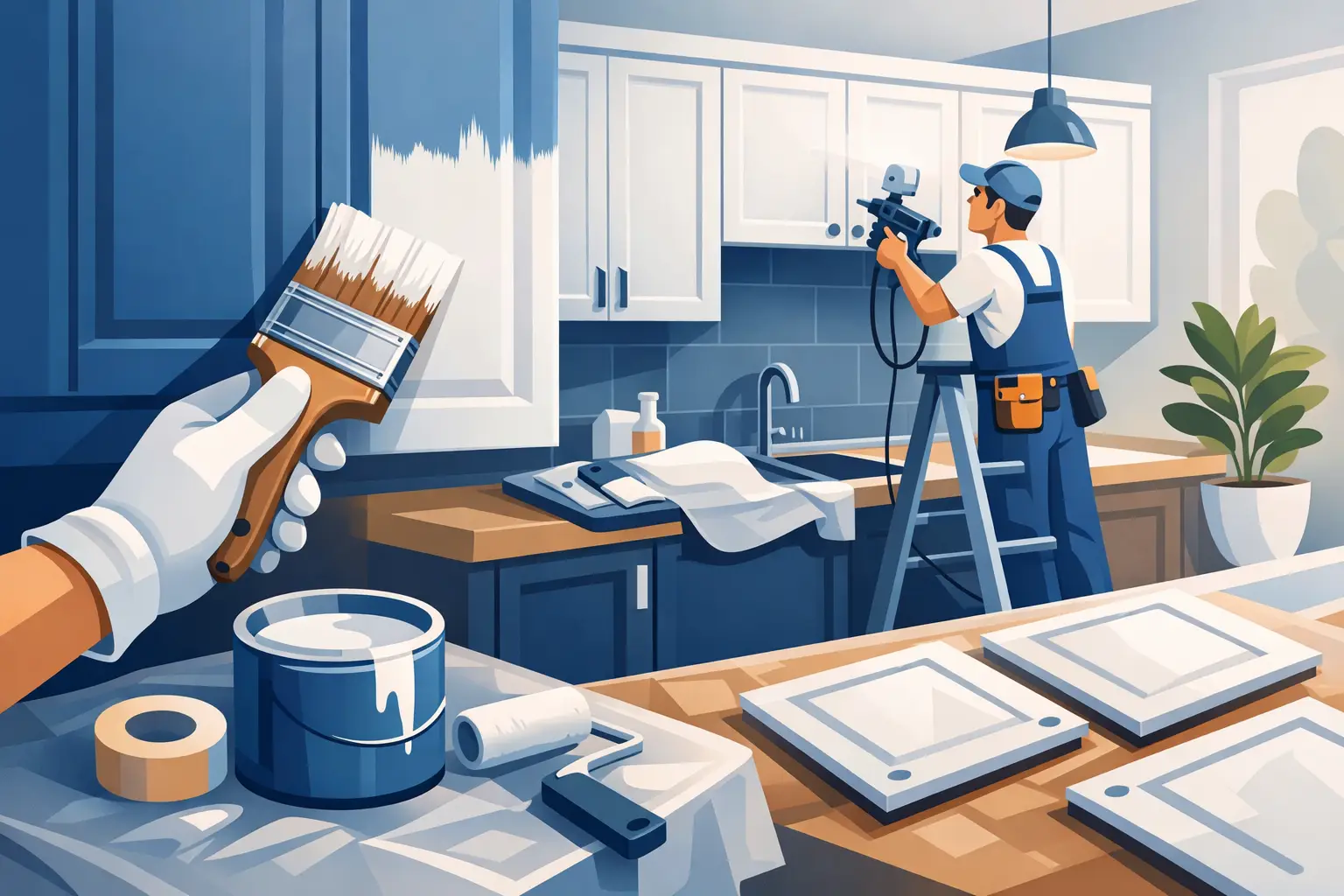
People often focus on the topcoat, but cabinet respraying is a system, not a tin of paint. Even the best coating will fail if the surface has not been degreased, abraded and primed correctly.
Kitchen doors collect invisible contamination over the years. Grease, polish, silicone residue and cleaning products all interfere with adhesion. Then there is the issue of substrate. MDF, solid timber, foil-wrapped doors, melamine and previously painted cabinets all behave differently.
This is where expert preparation makes the difference between a finish that lasts and one that chips around edges within months. In professional work, the primer is chosen to suit the exact surface, then the topcoat is matched to that base. That process is what creates a trusted, durable result.
Best paint types for cabinet respray by cabinet material
Some paint systems suit certain surfaces better than others.
For solid wood and properly prepared MDF, both water-based acrylic polyurethane and solvent-based joinery coatings can perform very well. These materials are generally more straightforward to prime and coat.
For laminate or melamine-faced cabinets, adhesion becomes more technical. The right bonding primer is essential, and not every decorative paint will cope long term. This is where a professional respray service has a clear advantage, because product choice has to be tailored carefully.
For older painted cabinets, everything depends on the condition of the existing coating. If it is stable and compatible, it may be possible to build over it with the correct preparation. If it is failing, soft or contaminated, more extensive sanding and remediation may be needed first.
Should you choose water-based or solvent-based paint?
There is no one-size-fits-all answer. Water-based systems have improved enormously and are now a leading choice for many premium cabinet resprays. They offer excellent durability, lower odour and a more practical experience in occupied homes.
Solvent-based systems still appeal where maximum hardness and a very specific finish are required. They can be superb, but they are not always the most sensible option for every household.
For most homeowners, the better question is not which category sounds more professional. It is which paint system suits your cabinet material, finish preference, timeline and how heavily the kitchen is used.
Common mistakes when choosing cabinet paint
The biggest mistake is assuming any paint labelled for woodwork will be good enough for cabinets. Cabinet doors are handled far more than skirting boards or internal doors, so the coating has to work much harder.
Another common issue is choosing finish before function. A very flat matt may look attractive online, but if you have children, frequent cooking and constant wiping down, it may not be the most practical choice.
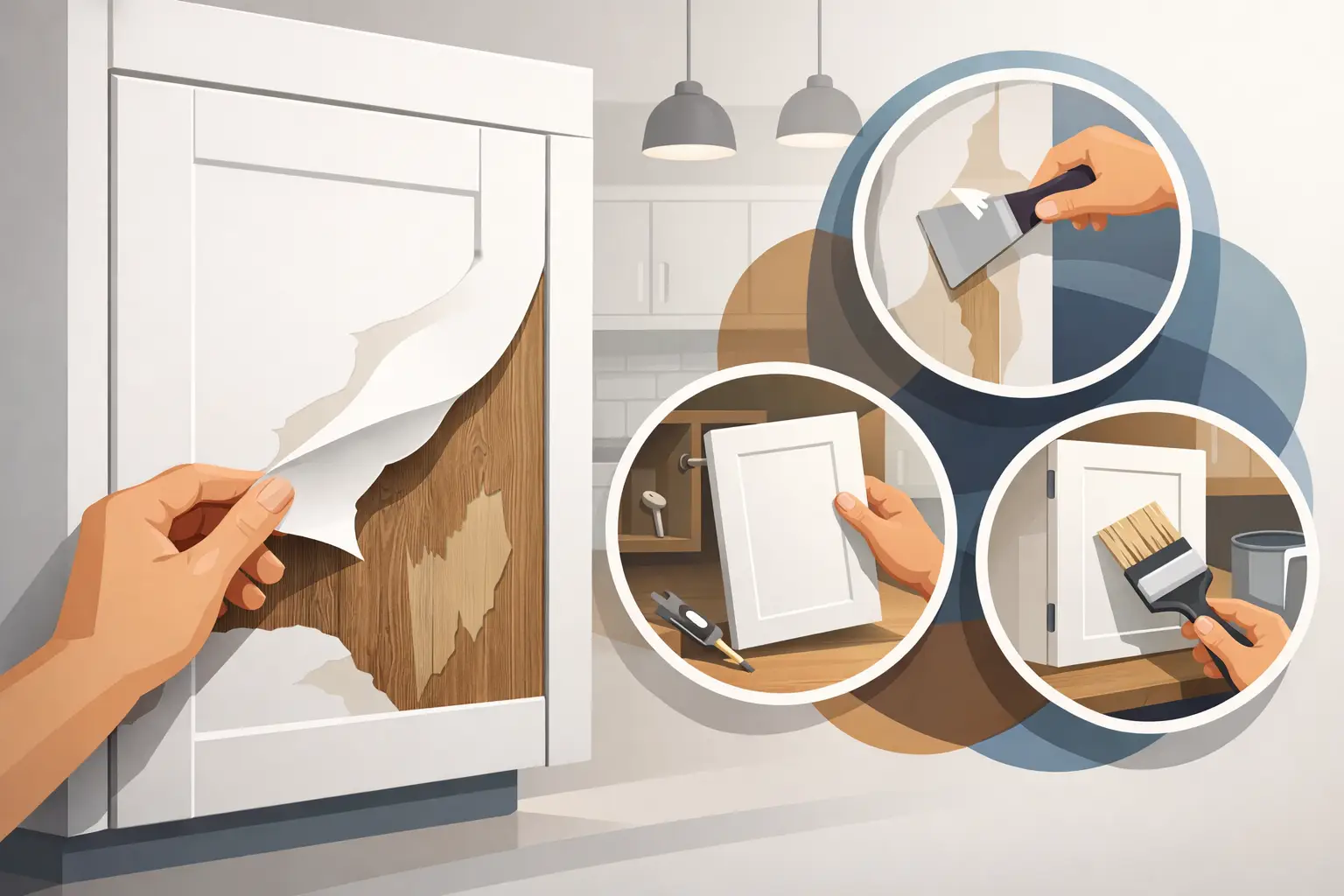
Finally, many problems blamed on paint are actually preparation failures. Peeling, poor adhesion and premature wear usually start below the surface.
What a professional recommendation usually looks like
In most modern kitchen resprays, a professional will assess the cabinet substrate, the current condition, the desired sheen level and the demands of the room before recommending a full coating system. That often means a specialist bonding primer followed by a high-performance spray-applied topcoat in a satin or low-sheen finish.
For homeowners who want an affordable way to transform their kitchen without replacing perfectly serviceable units, this approach makes excellent sense. It gives the fresh, like-new appearance people want, while protecting the cabinets for years of everyday use.
At Dublin Kitchen Respray, that sort of decision is never about selling the strongest-sounding product. It is about using the right system for the surface, the space and the finish the client actually wants to live with.
If you are weighing up colours and finishes, start with durability first. The best cabinet paint is the one that still looks good after the novelty has worn off and the kitchen is back to real life.