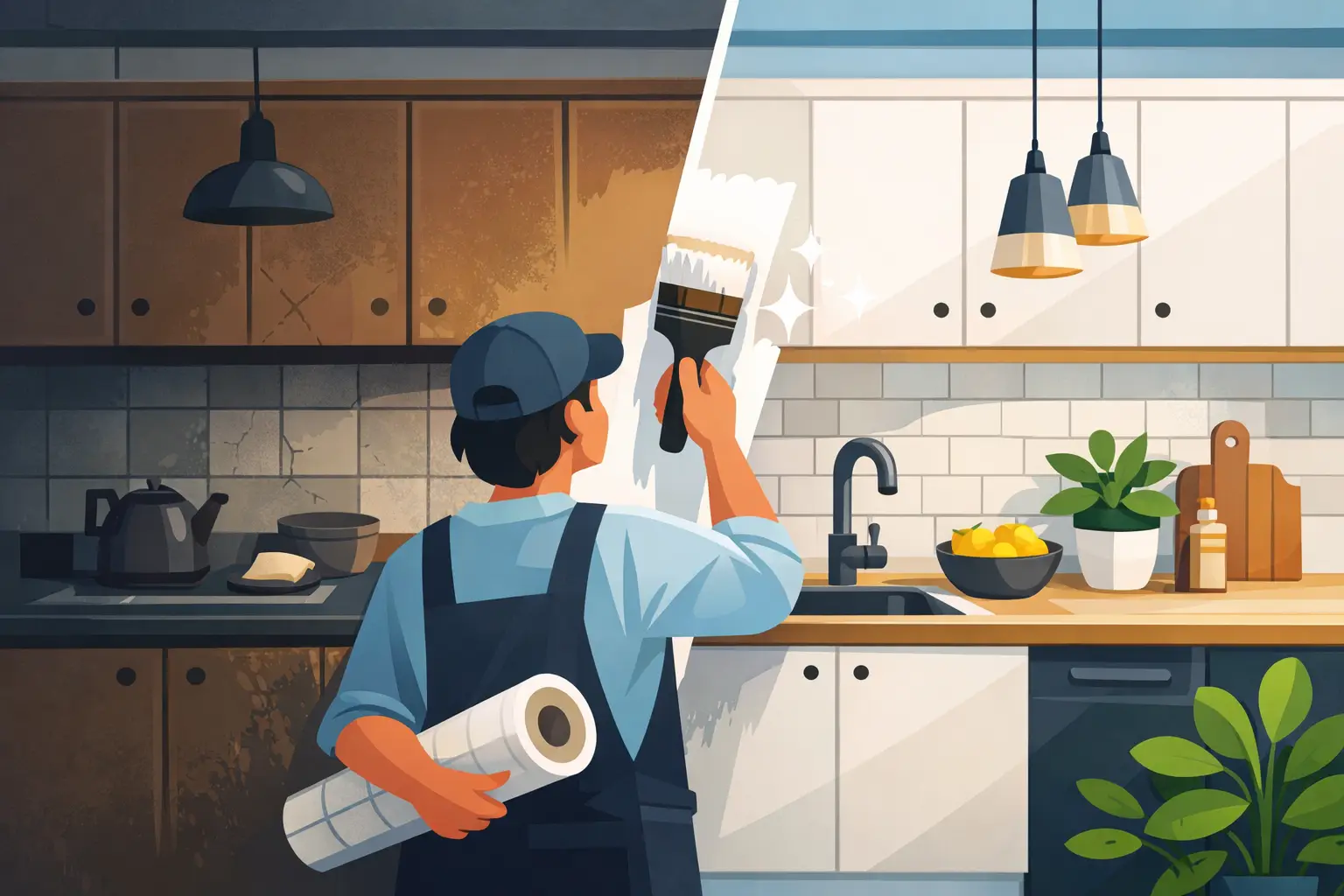

You know the feeling – the kitchen still works, but every time you walk in, the doors look tired, the finish is scuffed, and the whole room feels older than it is. The good news is you do not need a full renovation to get that “new kitchen” lift. The better news is that choosing the right local cabinet refinishing experts can make the difference between a stunning, durable finish and a job that starts chipping before the kettle has boiled a thousand times.
This is a practical guide to help you hire with confidence in Dublin and surrounding counties. No jargon, no overselling – just what to look for, what to ask, and what a professional process should include.
What “cabinet refinishing” really means (and what it is not)
Cabinet refinishing is a broad term. Some people use it to mean a quick sand and paint. Others mean a full respray system that mimics a factory finish. Before you compare quotes, get clear on what you are being offered.
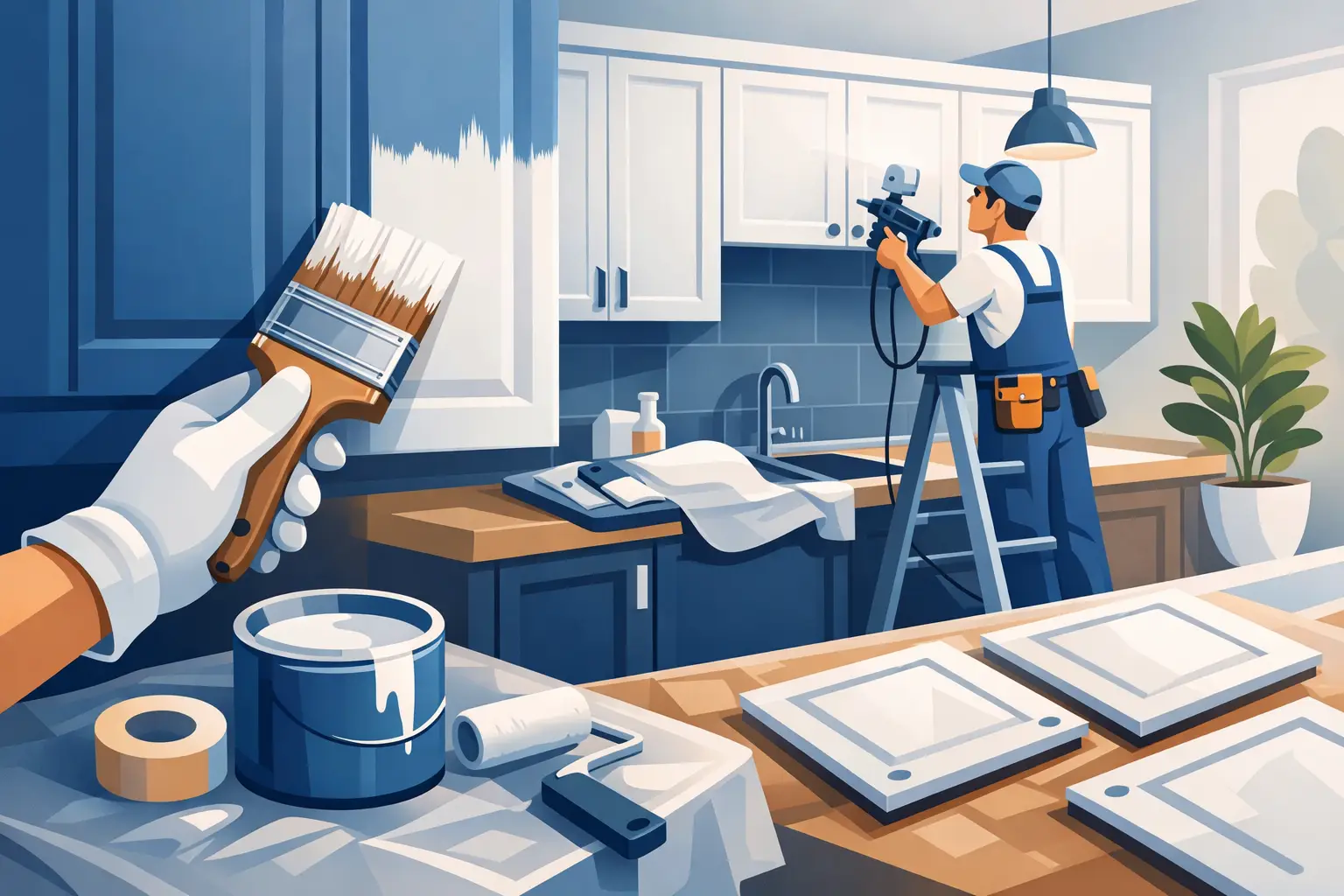
A proper refinishing service usually involves thorough preparation, repairs where needed, priming suited to the surface, and a professional-grade topcoat designed for high-touch areas. Done well, it can dramatically extend the life of your existing doors and frames – which is exactly why it is such a cost-effective alternative to replacement.
What it is not: a “one coat and done” refresh, or a DIY-style job using wall paint. Kitchens are harsh environments. Heat, steam, cleaning products, and constant contact all test the finish. If the coating system is wrong, it will show.
Why local cabinet refinishing experts are worth it
Choosing local cabinet refinishing experts is not just about supporting a nearby business. Local specialists tend to be easier to vet, faster to get on site for an assessment, and more accountable if you need aftercare. In practical terms, that matters.
They also understand local housing styles. From period homes with original timber doors to newer builds with vinyl-wrapped or lacquered finishes, the surfaces you find around Dublin, Wicklow, Kildare, Meath, and Louth can vary. The right refinisher will recognise what you have in front of them and choose products and prep accordingly.
There is another advantage people overlook: a local team is typically set up for efficient scheduling. A well-run respray job should feel organised and controlled, not like your kitchen has become an open-ended building site.
The biggest quality divider: preparation and process
If you only remember one thing, make it this: the finish is only as good as the preparation underneath it. A beautiful topcoat cannot compensate for grease left in corners, glossy surfaces that were never keyed, or filler that was not cured properly.
When you speak to a refinisher, ask them to talk you through their process in plain language. A professional answer should sound calm and specific, not vague.
Degreasing and surface prep
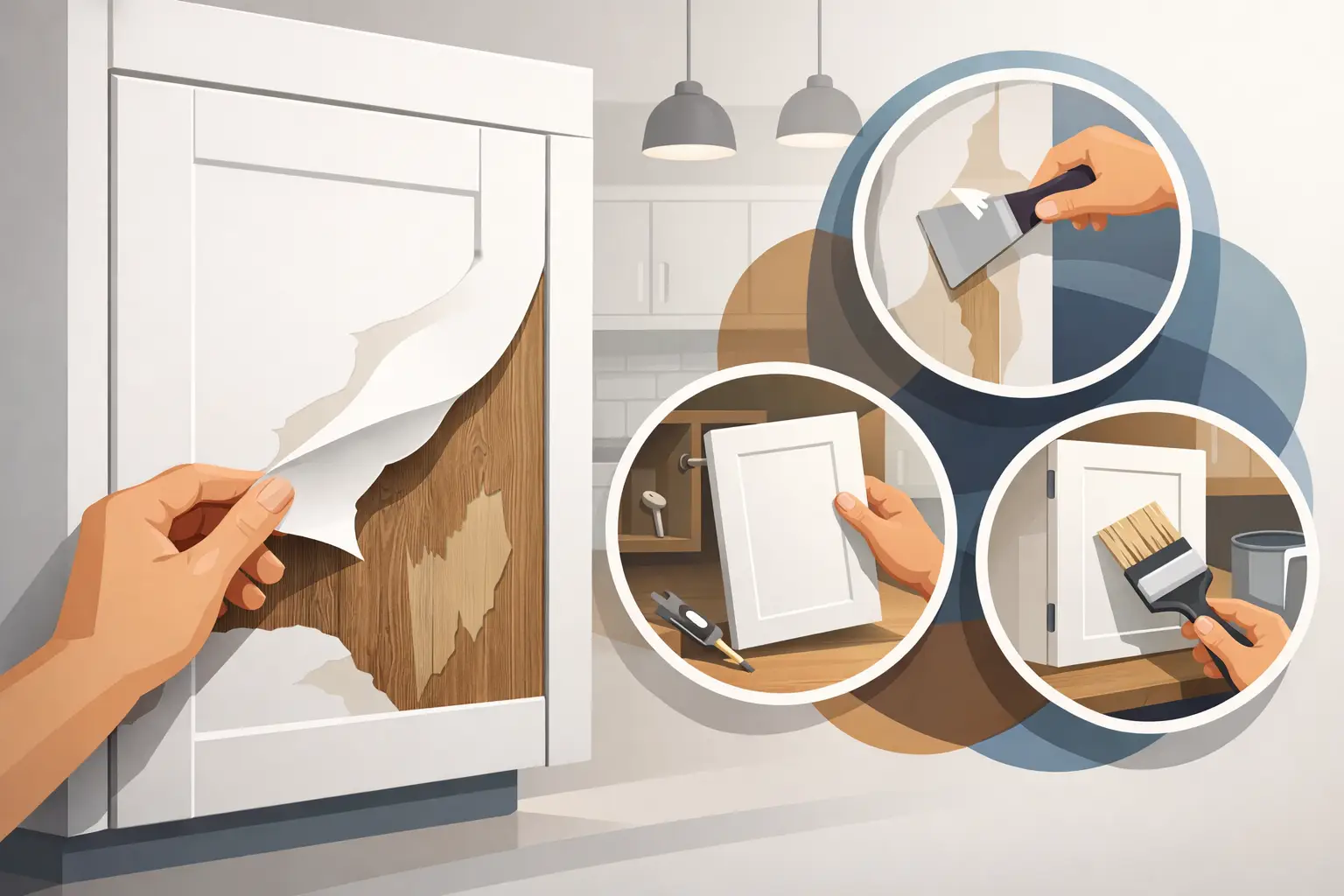
Kitchens hold onto airborne oils, especially around the hob and extractor area. Proper degreasing is essential. After that, surfaces need to be sanded or mechanically abraded to create a key for adhesion. The approach depends on your cabinet material and existing finish. Solid timber, MDF, laminate, and previously sprayed doors all behave differently.
If your cabinets are vinyl-wrapped, that is a real “it depends” scenario. Some vinyl can be refinished with the correct system, but poor vinyl that is already lifting may continue to fail underneath a new coating. A trusted expert will tell you honestly if replacement doors are the smarter choice for specific problem areas.
Repairs that do not disappear later
Small chips, dents, swollen corners, or worn edges can often be repaired so they disappear after spraying. The key is using suitable fillers, allowing curing time, and shaping properly. Rushed repairs are one of the first places a respray job starts to look tired.
Primers and coatings built for kitchens
Not all primers are equal. The right primer has to bond to your surface and support the topcoat. Likewise, kitchen cabinetry needs a hard-wearing finish that can cope with cleaning, knocks, and daily use.
This is where expertise shows. A professional will talk about durability, curing, and maintenance rather than only colour names. They should also be able to advise on finish level – matt can look modern and hide minor imperfections, while satin or sheen often provides a bit more wipe-clean practicality.
Questions to ask before you book
Most homeowners feel awkward “interviewing” trades, but cabinet refinishing is a finish-critical job. Asking a few direct questions is sensible.
Ask what prep is included, whether doors are removed for spraying, and how they protect your home from dust and overspray. Ask what products they use and why they are suitable for kitchens. Ask about timelines – not just the spraying day, but the full schedule including curing and refitting.
Also ask what you should expect afterwards. A professional will explain how long to be gentle with freshly finished surfaces, when you can clean them properly, and what cleaners to avoid in the early days.
If you are comparing quotes, be wary of very low pricing that cannot realistically include proper prep, quality coatings, and careful refitting. In cabinet work, shortcuts tend to show up quickly.
What a professional quote should include
A clear quote is a sign of a well-run service. At minimum, it should define what is being refinished (doors only, doors and frames, end panels, kickboards), what preparation and repairs are included, and what finish system is being applied.
It should also specify whether handles are removed and refitted, whether hinges are adjusted, and whether any replacement hardware is included or optional. If you are changing handles, confirm if existing holes will be filled and redrilled or if you need to choose handles with matching hole spacing.
If worktops are part of your plan, some specialists offer spray granite finishes that can transform tired laminate without the upheaval of new counters. That can be a smart way to make the whole kitchen feel cohesive rather than “new doors, old everything else”.
Choosing colours and finishes that still feel right in five years
Trends come and go, but a respray is still a significant change. Think about your flooring, splashback, and the amount of natural light your kitchen gets.
Warm neutrals and soft off-whites suit many Irish homes because they complement both traditional and contemporary interiors. Darker colours can look incredible, especially on islands or lower cabinets, but they do show fingerprints more readily. That is not a reason to avoid them – just a practical trade-off to go in with open eyes.
If you are unsure, ask your refinisher how different sheens behave in real kitchens. A beautiful dead-matt look in a brochure may not be what you want if you have young children and are wiping cupboard fronts daily.
Eco-friendly value: the hidden benefit of refinishing
Replacing a kitchen creates waste – old doors, panels, and sometimes perfectly functional units end up discarded. Refinishing keeps the structure you already have and gives it a new life, which is a more eco-friendly approach for many households.
It is also a financially sensible way to improve your home. A refreshed kitchen can change how the entire ground floor feels, without the disruption of ripping units out, moving plumbing, or waiting weeks for multiple trades.
Signs you have found the right specialist
You will feel the difference in the way they communicate. Trusted professionals are confident enough to be honest about limitations. They will point out any existing damage that may show slightly even after refinishing, and they will explain how they will minimise it. They will be clear about what they can do quickly, and what needs time.
They will also respect your home. Look for careful masking, tidy working practices, and a clear plan for keeping the kitchen usable where possible. Cabinet refinishing should feel like a controlled transformation, not chaos.
If you are in the greater Dublin area and want a proven, professional respray service, Dublin Kitchen Respray has been delivering high-quality kitchen, wardrobe, and worktop transformations since 1999, with an approach built around durability, affordability, and minimal disruption.
Aftercare: how to protect your new finish
Even the best coatings need proper curing time. Your refinisher should tell you how long to wait before heavy cleaning, how to treat doors in the first week, and what cleaning products are safe.
As a rule, gentle cleaning and avoiding harsh abrasives will keep the finish looking its best. Also, do not underestimate the small habits that preserve cabinetry – wiping up splashes quickly, using extractor fans when cooking, and fitting door bumpers or soft closers if needed.
A refinished kitchen should feel easy to live with. The aim is not to create a “do not touch” showpiece, but a hardworking family space that still looks sharp.
If you take your time choosing local cabinet refinishing experts, you are not just buying a new colour – you are buying the confidence that every time you close a door, the finish feels solid, the alignment looks right, and the kitchen finally matches the standard of the rest of your home.