A cabinet door can look flawless in a showroom and completely wrong under your kitchen lighting at home. That is usually not down to the colour alone. The sheen plays a huge part in how your cabinets look, how they wear, and how much day-to-day upkeep they need. If you are wondering how to choose sheen for kitchen cabinets, the best starting point is to balance appearance with practicality rather than chasing a trend.
In a busy family kitchen, the finish has to work hard. It needs to cope with fingerprints, cooking residue, cleaning, and the occasional knock from bags, chairs or little hands. At the same time, it should suit the style of your home and make the room feel the way you want it to feel – calm and understated, bright and crisp, or sleek and modern.
How to choose sheen for kitchen cabinets
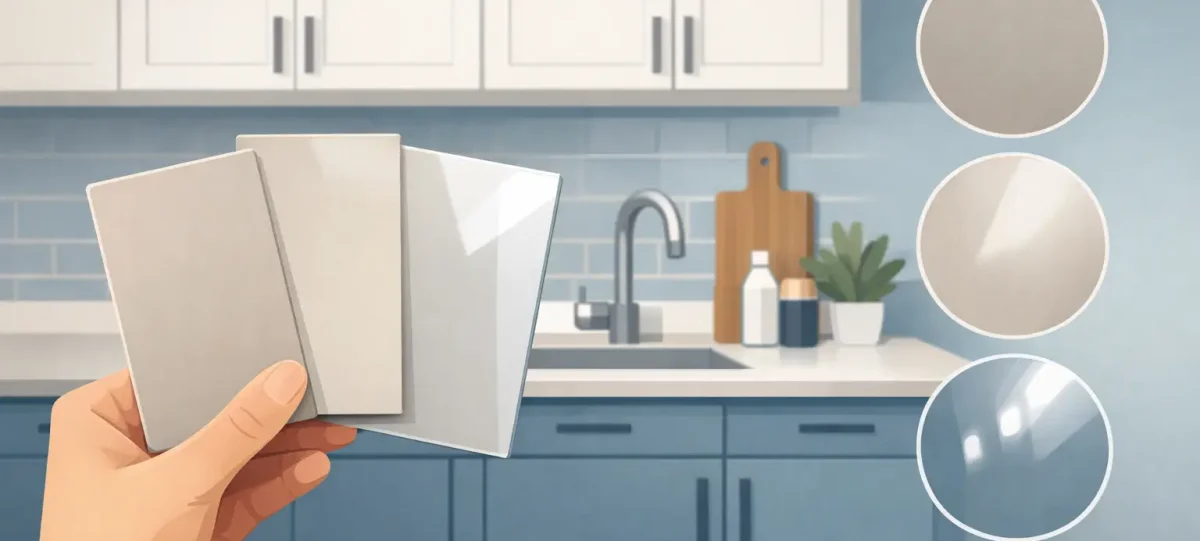
When people talk about sheen, they are describing how much light the painted surface reflects. A lower sheen absorbs more light and gives a softer, flatter look. A higher sheen reflects more light and appears brighter and sharper.
For kitchen cabinets, the most common choices are matt, satin and gloss. There is no single right answer for every kitchen because the best finish depends on your layout, lighting, cabinet condition, household routine and design preference. A stunning finish in a low-traffic kitchen may be less practical in a home where the kitchen is in constant use from breakfast through to bedtime.
That is why professional advice matters. Choosing sheen is not only about what looks good on a sample card. It is about how that finish behaves on large cabinet surfaces, around handles, beside cookers and sinks, and in natural and artificial light.
Matt, satin or gloss?
Matt sheen
Matt cabinets have a smooth, modern look with very little reflection. They are popular in contemporary kitchens because they feel understated and elegant. Dark matt shades can look particularly refined, while lighter matt colours create a soft, airy effect.
The advantage of matt is that it hides surface imperfections better than glossier finishes. If older cabinet doors have slight texture, minor dents or a less-than-perfect substrate, matt can be forgiving. It also avoids glare, which suits kitchens with strong daylight.
The trade-off is maintenance. Matt surfaces can show grease marks, finger marks and scuffs more readily, especially on darker colours. Cleaning needs a little more care as over-scrubbing can affect the appearance. For some households, that is a small price to pay for the look. For others, especially in high-use kitchens, it may become frustrating.
Satin sheen
Satin sits comfortably in the middle, which is why it is often the most practical choice for kitchen cabinetry. It has a gentle, soft sheen rather than a shiny finish, so it reflects enough light to brighten the room without looking overly glossy.
This balance is what makes satin such a trusted option. It tends to be easier to clean than matt, while still disguising minor imperfections better than full gloss. It suits traditional kitchens, modern shaker styles and more contemporary layouts equally well.
For many homeowners, satin gives the best of both worlds. It looks professional and refined, wears well, and does not demand constant wiping to keep it looking smart.
Gloss sheen
Gloss makes a stronger statement. It reflects a lot of light, which can help a smaller or darker kitchen feel brighter and more open. If you want a sleek, modern finish with a crisp, polished look, gloss can be very effective.
It is also generally easier to wipe clean, which appeals in hardworking kitchens. Splashes and cooking residue can often be removed quickly from a high-sheen surface.
The downside is that gloss shows more of everything else too. Fingerprints, smudges and surface imperfections are often more visible. Preparation has to be excellent, because a glossy finish draws attention to flaws rather than disguising them. In some kitchens, especially those with strong direct light, gloss can also feel a little too reflective.
The role of kitchen lighting
Lighting changes everything. A sheen that looks ideal in one room may feel completely different in another.
If your kitchen gets limited natural light, a satin or gloss finish can help bounce light around the space and stop it feeling flat. In contrast, if you have a bright south-facing kitchen with large windows or roof lights, too much shine can become harsh. In that case, matt or soft satin often feels more balanced.
Artificial lighting matters as well. Spotlights, pendant fittings and under-cabinet lights all create different reflections. A finish should be considered in the actual environment where it will be seen every day, not just under workshop or showroom lighting.
Style matters, but so does lifestyle
It is easy to choose a finish based on inspiration photos. The difficulty comes later, when beautiful cabinets meet real life.
If your kitchen is used lightly and you love a calm, design-led look, matt may suit you beautifully. If you cook often, have children in and out of cupboards all day, or simply want something easier to live with, satin is often the safer choice. If you prefer a sharper, more contemporary feel and do not mind wiping away marks more regularly, gloss may be exactly right.
There is also the question of cabinet colour. Dark navy, charcoal and forest green can look rich and sophisticated in matt or satin, but they may show marks more quickly. Lighter shades such as off-white, soft grey and pale stone are generally more forgiving across all sheen levels. That does not mean darker colours should be avoided – only that sheen and colour need to be considered together.
How cabinet condition affects your choice
One of the most overlooked parts of how to choose sheen for kitchen cabinets is the condition of the cabinets themselves. Older doors and drawer fronts often have small surface imperfections, previous wear, or subtle inconsistencies that are not obvious until a new finish goes on.
Higher-sheen finishes reflect more light, which means they highlight more detail in the surface beneath. If your cabinet fronts are perfectly smooth and well-prepared, that can work brilliantly. If they are not, a softer sheen usually delivers a better overall result.
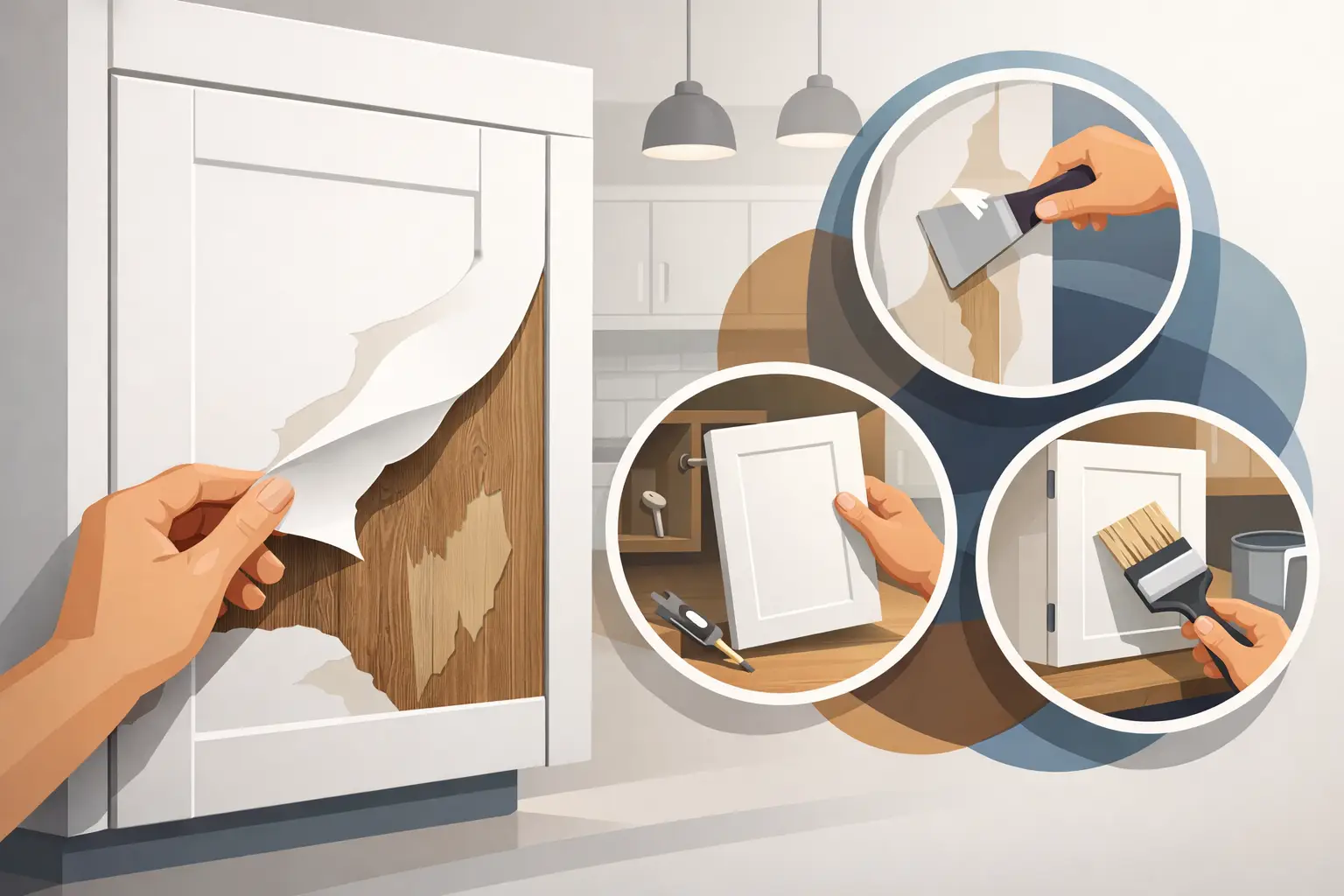
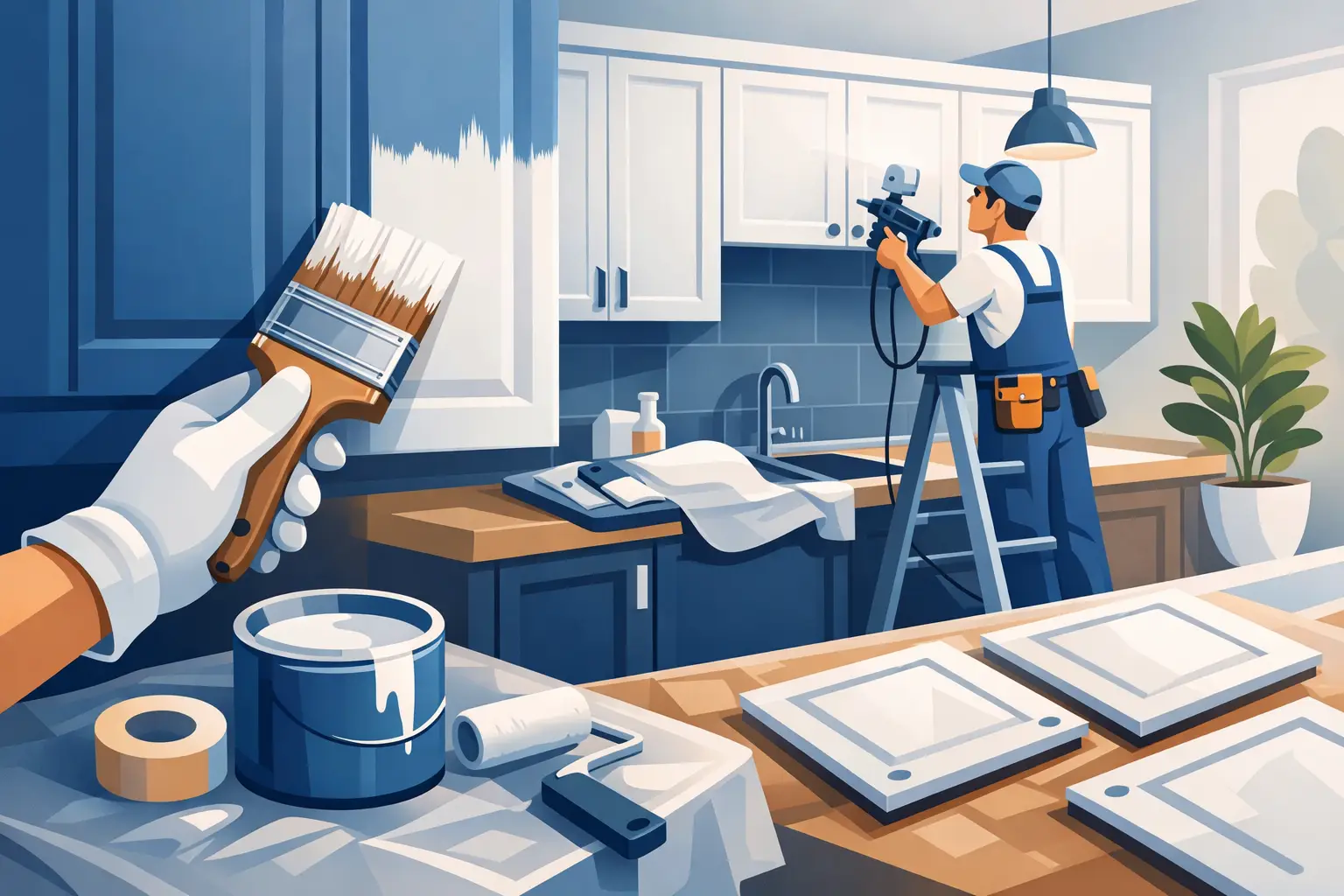
This is one reason professional respraying can make such a difference. Proper preparation, repairs and expert application all influence how the final sheen performs and how polished the kitchen looks once completed.
Where satin often wins
For many kitchens, satin is the finish that quietly does everything well. It gives enough softness to feel welcoming and enough durability to cope with daily life. It works across classic and modern designs, flatters most colours, and tends to age gracefully.
That is not to say satin is always best. Some kitchens genuinely suit the drama of gloss or the muted elegance of matt. But if you are torn between appearance and practicality, satin is often the point where those two needs meet.
Professionally, it is the finish many homeowners end up happiest with over time, not because it is the boldest option, but because it keeps looking good without demanding too much from them.
A practical way to decide
If you are choosing between finishes, think about your kitchen in real terms. Notice how much daylight the room gets. Consider how often cabinet doors are touched, how much cooking happens, and how much maintenance you are willing to do. Then think about the mood you want the space to have.
A softer sheen creates a more relaxed, understated kitchen. A higher sheen creates more brightness and definition. Neither is better by default. The best choice is the one that still feels right after months of cooking, cleaning and living in the room.
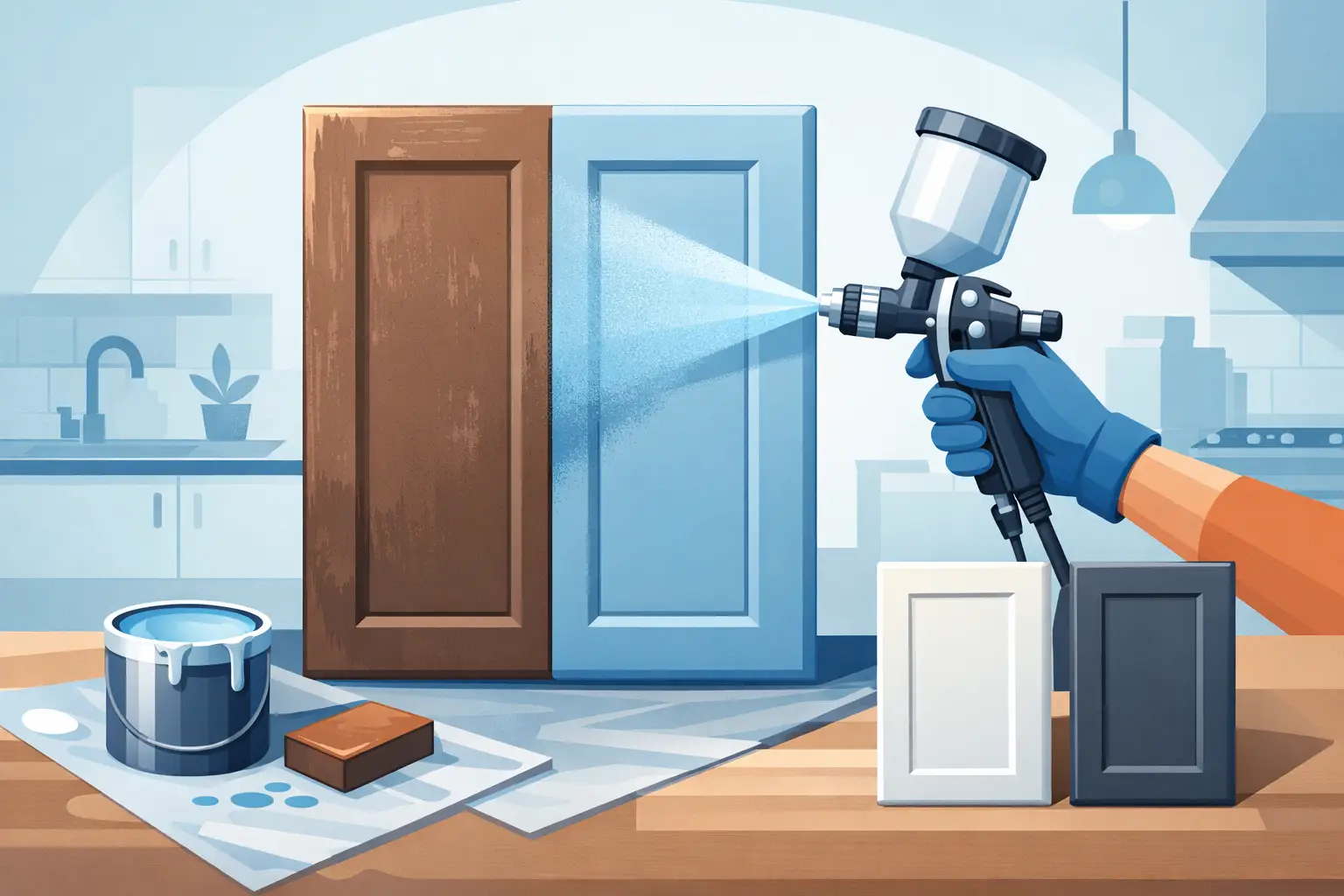
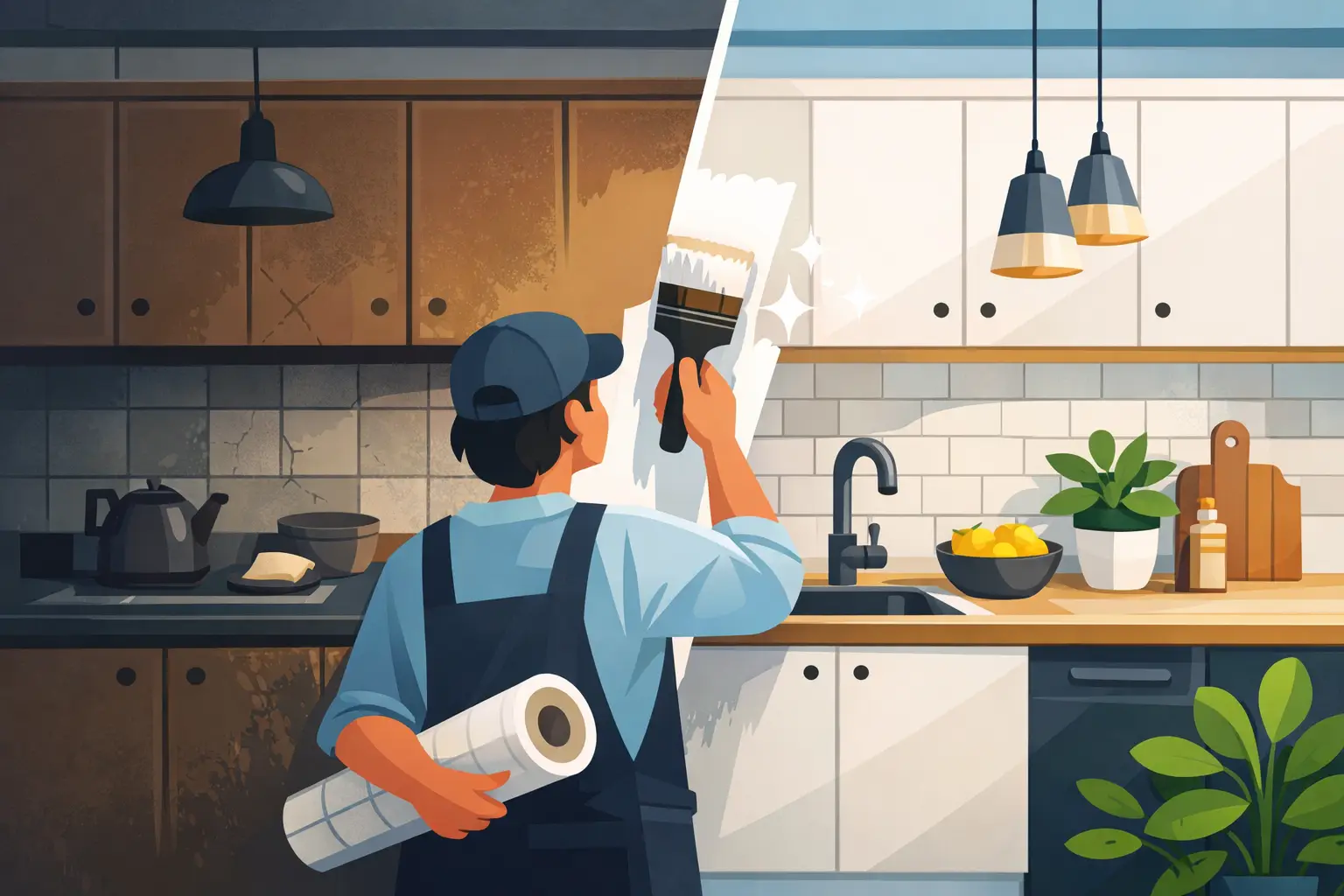
For homeowners updating rather than replacing their kitchen, sheen is one of the details that can completely change the final effect. A professional respray in the right finish can make existing cabinetry feel stunning, current and far more expensive than it was to achieve.
If you are still unsure, that usually means you need to see the options in context rather than forcing a quick decision. Good advice, proper preparation and an honest view of how you use your kitchen will lead you to the finish that looks right on day one and still works hard for you long after that.