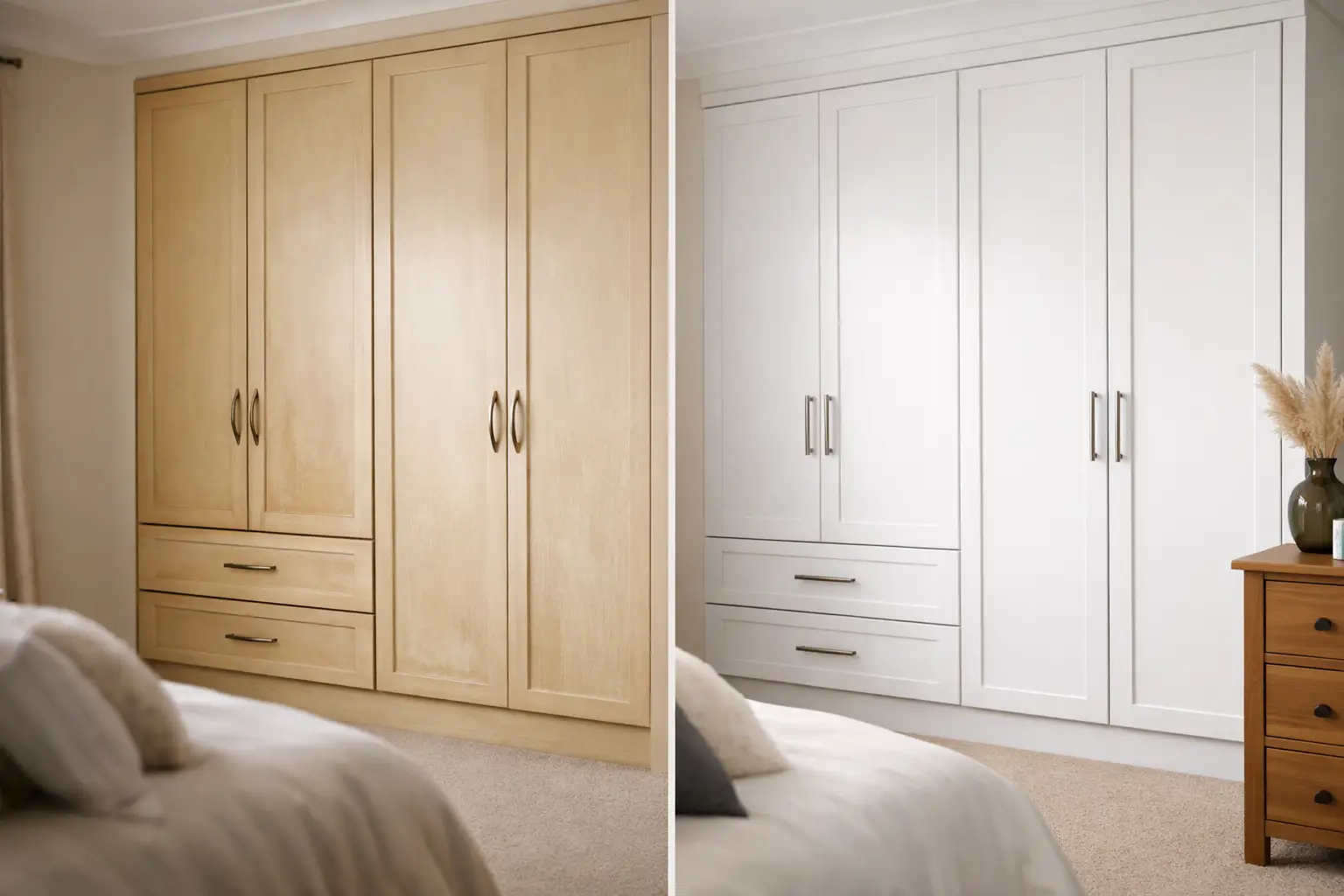
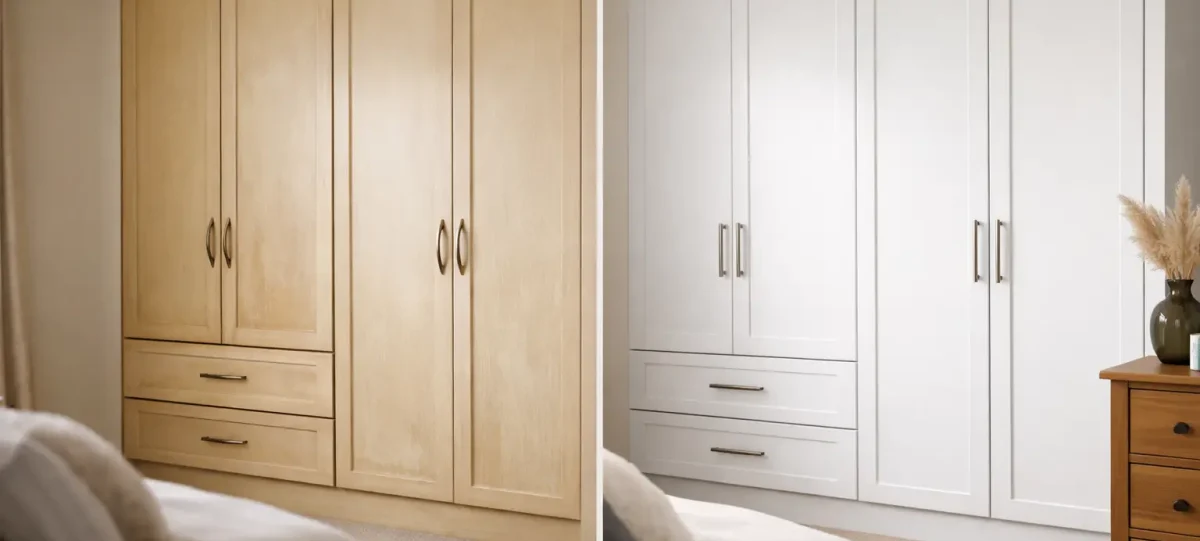
A dated wardrobe can drag down the whole room, even when the rest of the space is well kept. That is why people often search for example wardrobe respray before after results – they want to know whether the change is genuinely noticeable, whether the finish looks professional, and whether it is worth doing instead of replacing perfectly usable fitted furniture.
The short answer is yes, the difference can be striking. The longer answer is that the best results come from the right preparation, the right paint system, and realistic expectations about what respraying can and cannot change. A wardrobe respray will not alter the internal layout or fix severe structural damage, but it can completely refresh the appearance of fitted wardrobes, built-ins, and sliding doors at a fraction of the cost and disruption of a full replacement.
What example wardrobe respray before after results really show
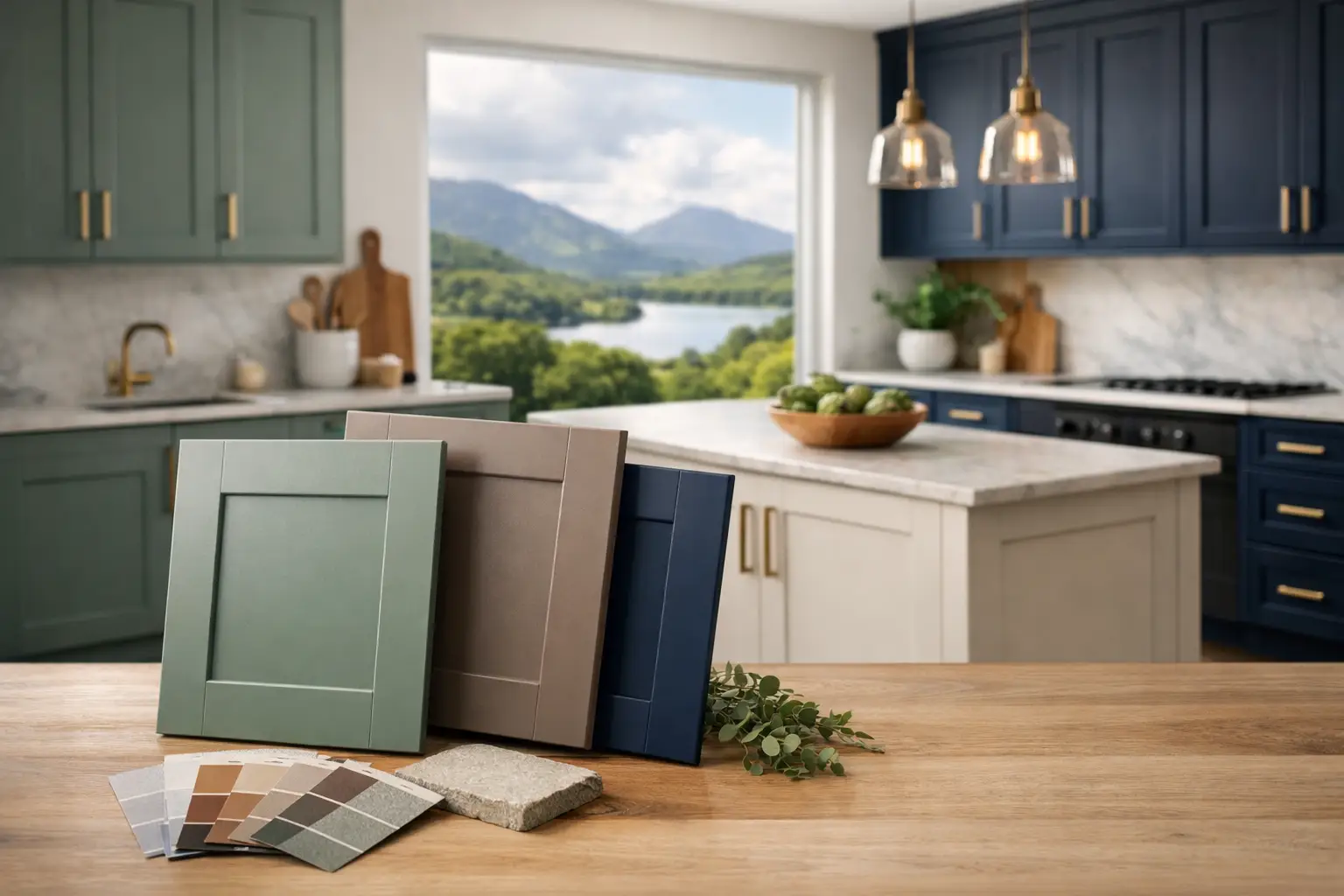
Before and after photos tend to catch the obvious change first – old oak, pine-effect or cream doors becoming crisp white, modern grey, soft cashmere or bold navy. But the biggest improvement is often not just the new colour. It is the cleaner, more even finish and the way the wardrobe starts to suit the room again.
Older wardrobes often look tired because of several small issues happening at once. The colour may feel dated. The surface may be dulled by years of use. Handles may have left visible wear around fixing points. Sunlight can create uneven fading. Once those problems are dealt with properly, the wardrobe stops looking like a compromise and starts looking intentional.
That is what strong before and after results should demonstrate. Not a quick cosmetic cover-up, but a proper transformation where the finish looks smooth, consistent and built to last.
The most common wardrobe transformations
In practical terms, some types of wardrobe respray produce more dramatic visual results than others. Dark woodgrain doors sprayed in a light, contemporary shade usually create the biggest shift. Bedrooms feel brighter, cleaner and more spacious almost immediately.
Cream wardrobes that have yellowed over time are another common example. They may not seem badly dated until they are compared with a fresh, professionally sprayed finish. After respraying, the room often looks sharper without any other major decorating work.
There is also a subtler type of transformation that suits many homes in Dublin and the surrounding counties. Instead of changing a wardrobe from one extreme to another, the goal is to refine it. A heavy gloss finish might become a modern matt. A dated beech tone might become a soft taupe. Those projects can look less dramatic in photos, but in the room itself they often feel more expensive and better matched to the home.
Light colours versus dark colours
Light shades tend to make fitted wardrobes recede visually, which works especially well in box rooms or bedrooms with limited natural light. Whites, off-whites and warm neutrals remain popular for a reason – they make the space feel calmer and more open.
Darker shades can look stunning too, particularly in larger bedrooms or period properties where a stronger design statement suits the space. The trade-off is that darker finishes may show fingerprints, dust or minor marks more readily, especially on frequently touched wardrobe doors.
Matt, satin and other finish choices
Finish matters almost as much as colour. Matt can look contemporary and understated, but it may be less forgiving in some high-contact areas. Satin is often a very practical middle ground because it gives a refined look while being easier to wipe down. The right choice depends on how the wardrobe is used, who uses it, and the style of the room.
Why professional resprays look different from DIY paint jobs
This is where expectations need to be grounded in the process. Many wardrobes that people dislike are made from smooth manufactured boards, laminate-faced panels or previously coated surfaces. These materials usually do not respond well to a quick rub-down and a brush-applied coat from the local hardware shop.
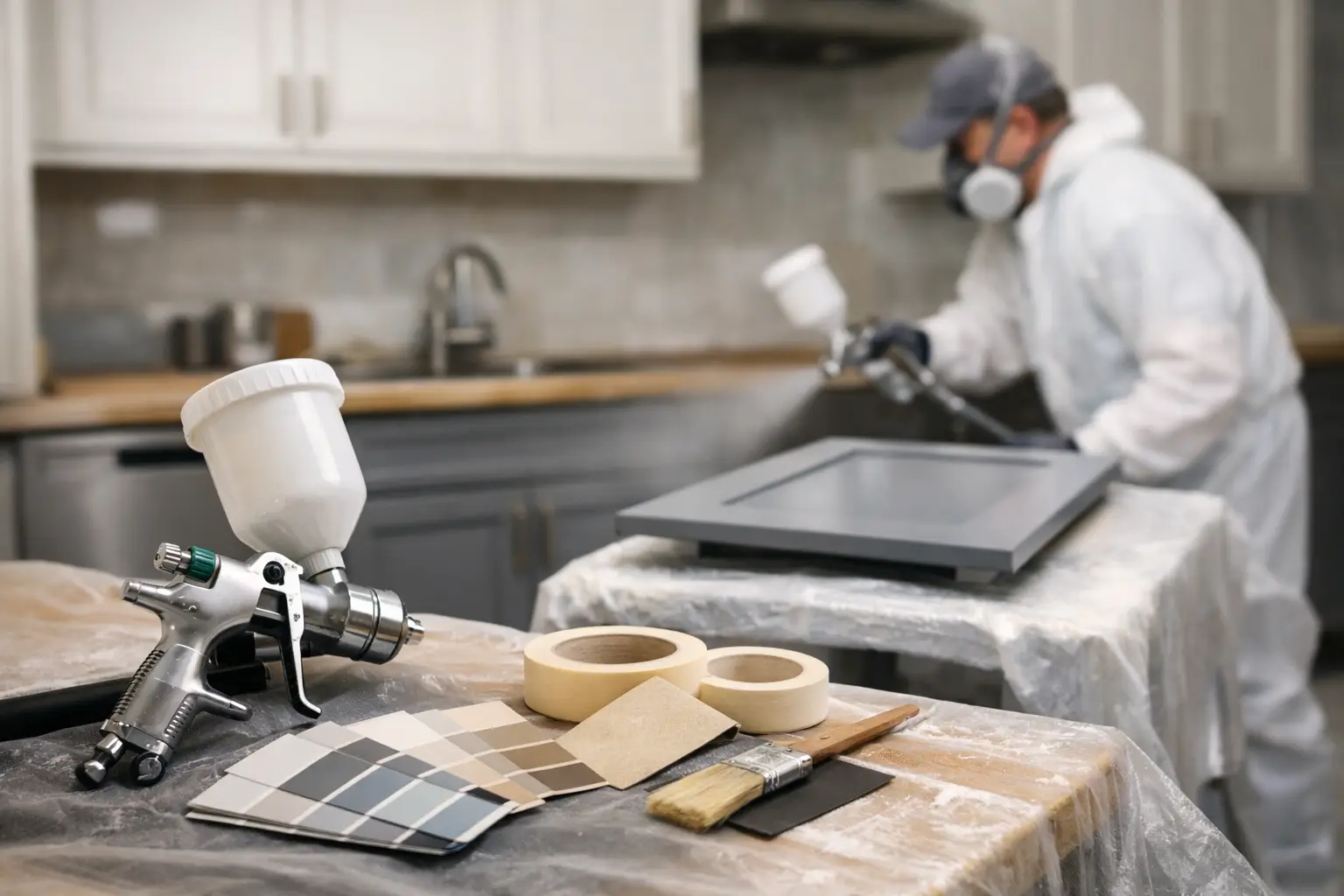
Professional wardrobe respraying is about creating adhesion and consistency. That means thorough cleaning, degreasing, preparing the substrate correctly, dealing with minor imperfections, applying suitable primers where needed, and then spraying the topcoat evenly for a factory-style appearance. If any of those stages are rushed, the finish can chip, peel or look patchy.
The quality difference shows up clearly in before and after results. A proper sprayed finish should not look thick, streaky or obviously repainted. It should look like the wardrobe belongs in the room as it is now, not as it was twenty years ago.
What changes beyond the wardrobe itself
One of the biggest advantages of a respray is that it often improves the room beyond the wardrobe. Because fitted wardrobes take up so much visual space, changing their finish can make the flooring, wall colour, curtains and lighting feel newer too.
That matters when homeowners want impact without committing to a full bedroom refurbishment. If the carcasses are sound and the layout still works, replacing the entire unit can be unnecessary. Respraying allows you to keep what functions well and update what looks tired.
It is also a more eco-friendly choice. Reusing existing fitted furniture reduces waste and avoids sending bulky materials to landfill simply because the finish no longer suits the room. For many households, that is not just a bonus. It is part of making a smarter home improvement decision.
What to expect from the process
Good example wardrobe respray before after results do not happen by chance. They come from a controlled process designed to minimise mess and produce a durable finish.
First, the wardrobe is assessed. Not every surface is suitable in the same way, and any damage needs to be identified early. Loose hinges, swollen boards from moisture, or deep chips may need repair or may affect what result is realistic.
Then comes preparation. This is the least glamorous stage, but it is where quality is built. Doors and panels are cleaned thoroughly, surfaces are keyed as required, and masking is carried out carefully to protect surrounding areas. Only then does spraying begin.
Drying and curing also matter. A wardrobe may look transformed quickly, but a professional finish still needs the proper time to harden. That is one reason rushing the job rarely pays off. The best results balance speed with durability.
How long does a wardrobe respray take?
It depends on the size of the wardrobe, the number of doors, the condition of the surfaces and whether repairs are needed first. In many cases, respraying is far quicker and far less disruptive than full replacement. That is one of the main reasons homeowners choose it.
For busy households, that reduced disruption can be as valuable as the visual improvement. There is less upheaval, less waste, and no need to start from scratch when the existing fitted furniture still has years of life left in it.
When respraying is the right choice – and when it is not
Respraying is ideal when the wardrobe is structurally sound but visually dated. If you like the size, layout and overall build, changing the finish is often the most cost-effective route.
If the wardrobe is damaged internally, badly warped, or no longer meets your storage needs, replacement may make more sense. Respraying improves appearance, not design limitations. That distinction matters. A trusted professional should be honest about it rather than promising miracles.
For many homes, though, the sweet spot is clear. The wardrobe works perfectly well, but the colour, sheen or general look belongs to another decade. In that case, respraying can deliver the kind of before and after result people usually associate with a much bigger renovation.
What good before and after results have in common
The best wardrobe transformations are not always the boldest. They are the ones that suit the room, wear well over time, and look professionally finished up close as well as in photos.
That means colour choice should work with the room rather than chasing a passing trend. It means handles, trims and surrounding décor should be considered as part of the final look. And it means choosing specialists who treat preparation as seriously as the topcoat.
At Dublin Kitchen Respray, that practical attention to detail is what turns a cosmetic update into a lasting improvement. Homeowners are not just looking for a different colour. They want a wardrobe that looks cleaner, fresher and properly finished, without the cost and disruption of replacing it altogether.
If you are weighing up your options, before and after images are a useful starting point, but the real question is simpler: if the wardrobe still works, why replace it when an expert respray could make it feel new again?