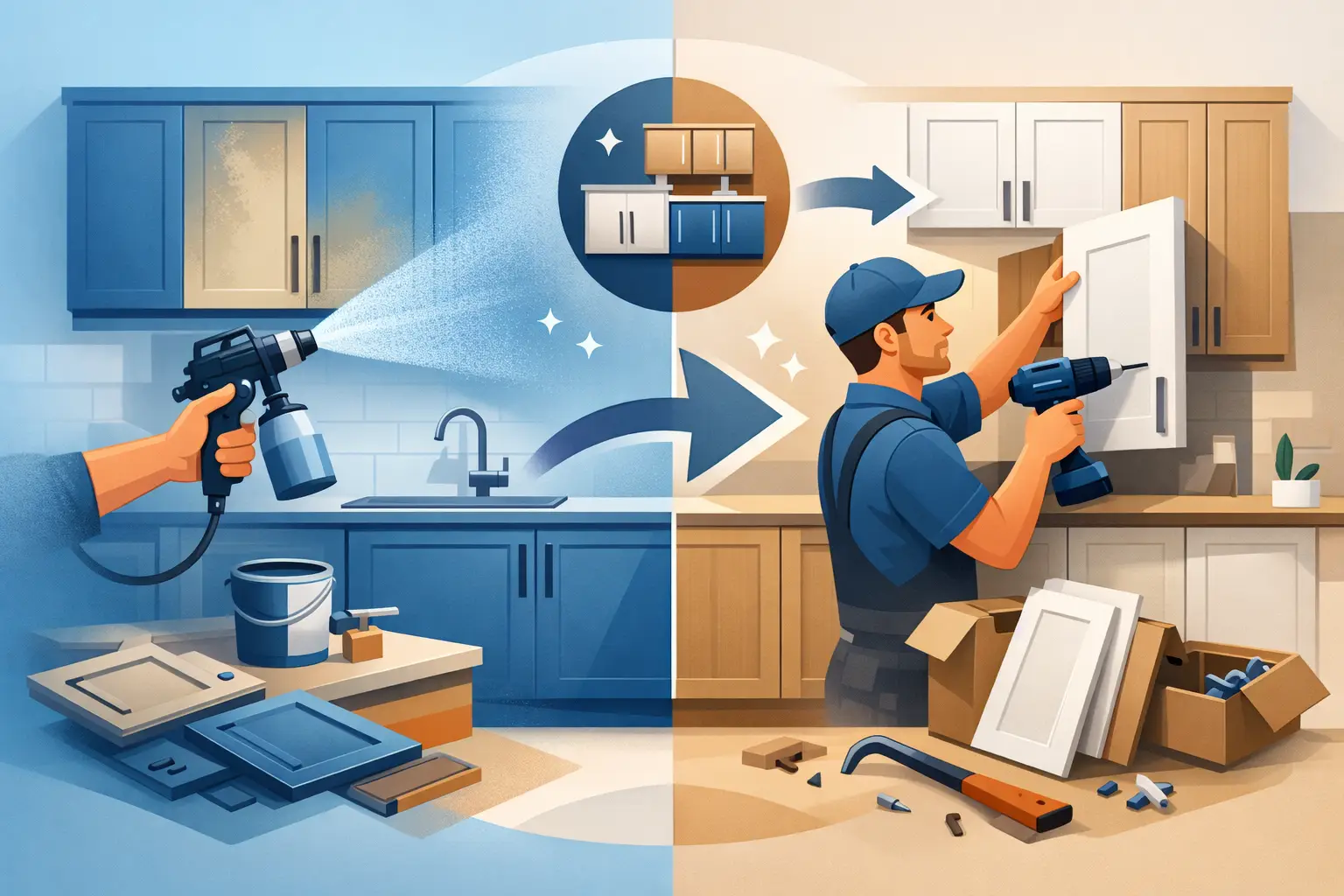
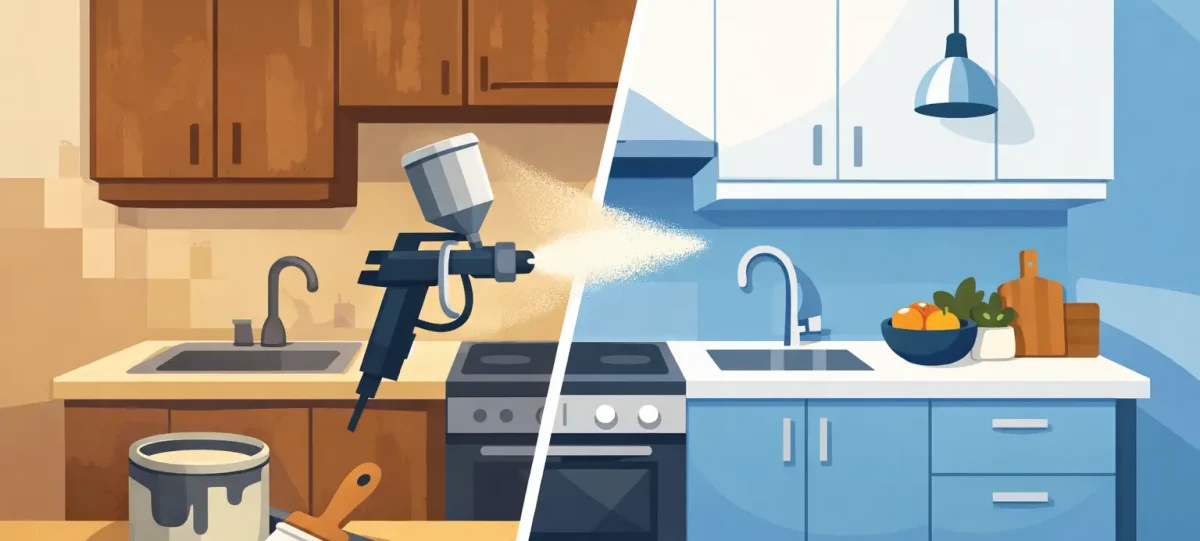
A small kitchen usually shows wear faster than any other room in the house. Cupboard doors pick up knocks, grease settles near the hob, and colours that looked fine ten years ago can suddenly make the whole space feel darker and more cramped. That is why an example small kitchen respray transformation is often so useful – it shows what can realistically be achieved without tearing out perfectly serviceable units.
In many homes, the layout is not the problem. Storage may work well, the cabinets may still be structurally sound, and the worktops may have years left in them. What dates the kitchen is usually the finish. When that is the case, respraying can deliver a dramatic visual change at a fraction of the cost and disruption of a full replacement.
What an example small kitchen respray transformation really shows
The most valuable thing about seeing a real small kitchen transformation is that it strips away the sales talk. You can judge the difference in brightness, how the room feels after the respray, and whether the finish looks like a true upgrade rather than a temporary cosmetic fix.
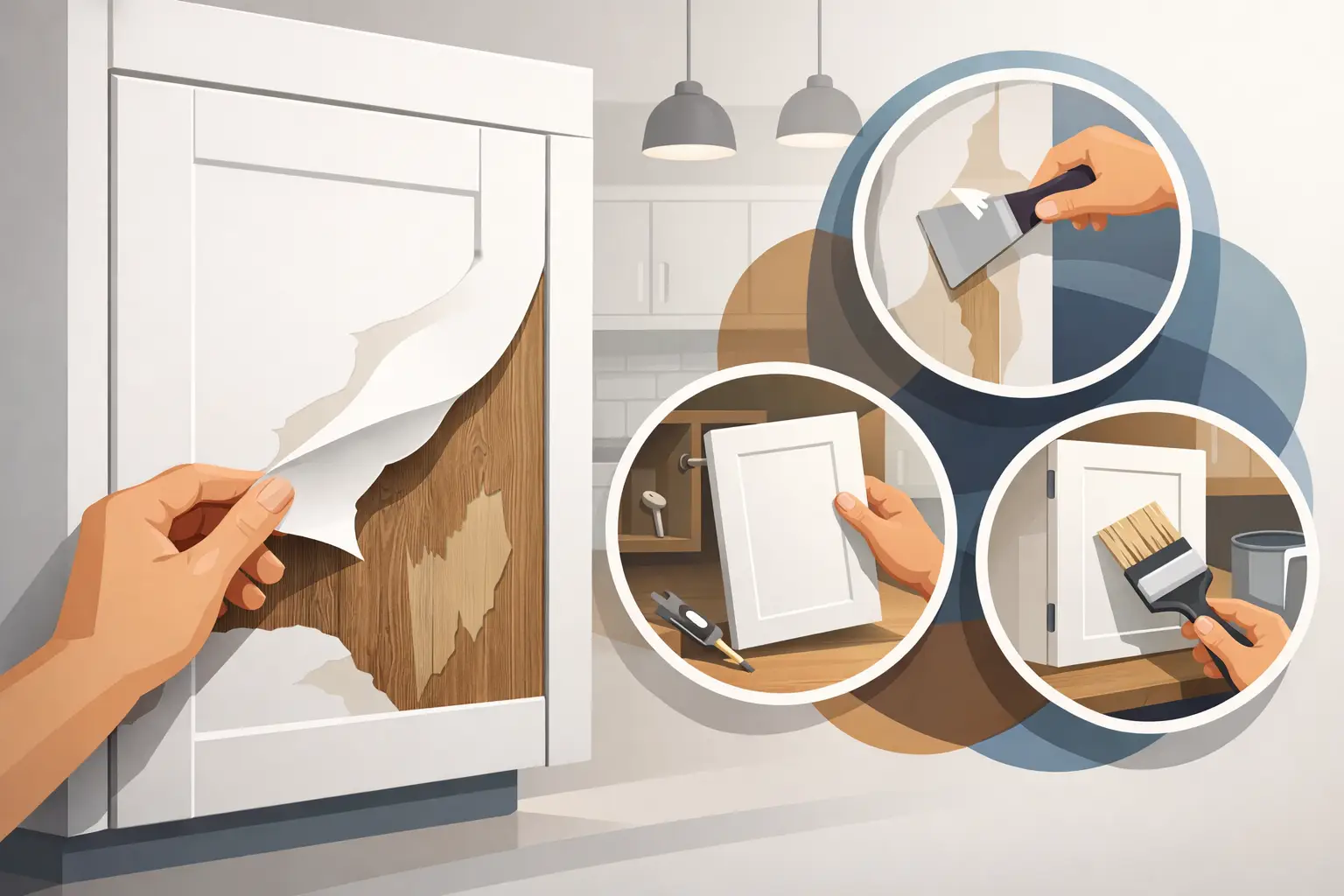
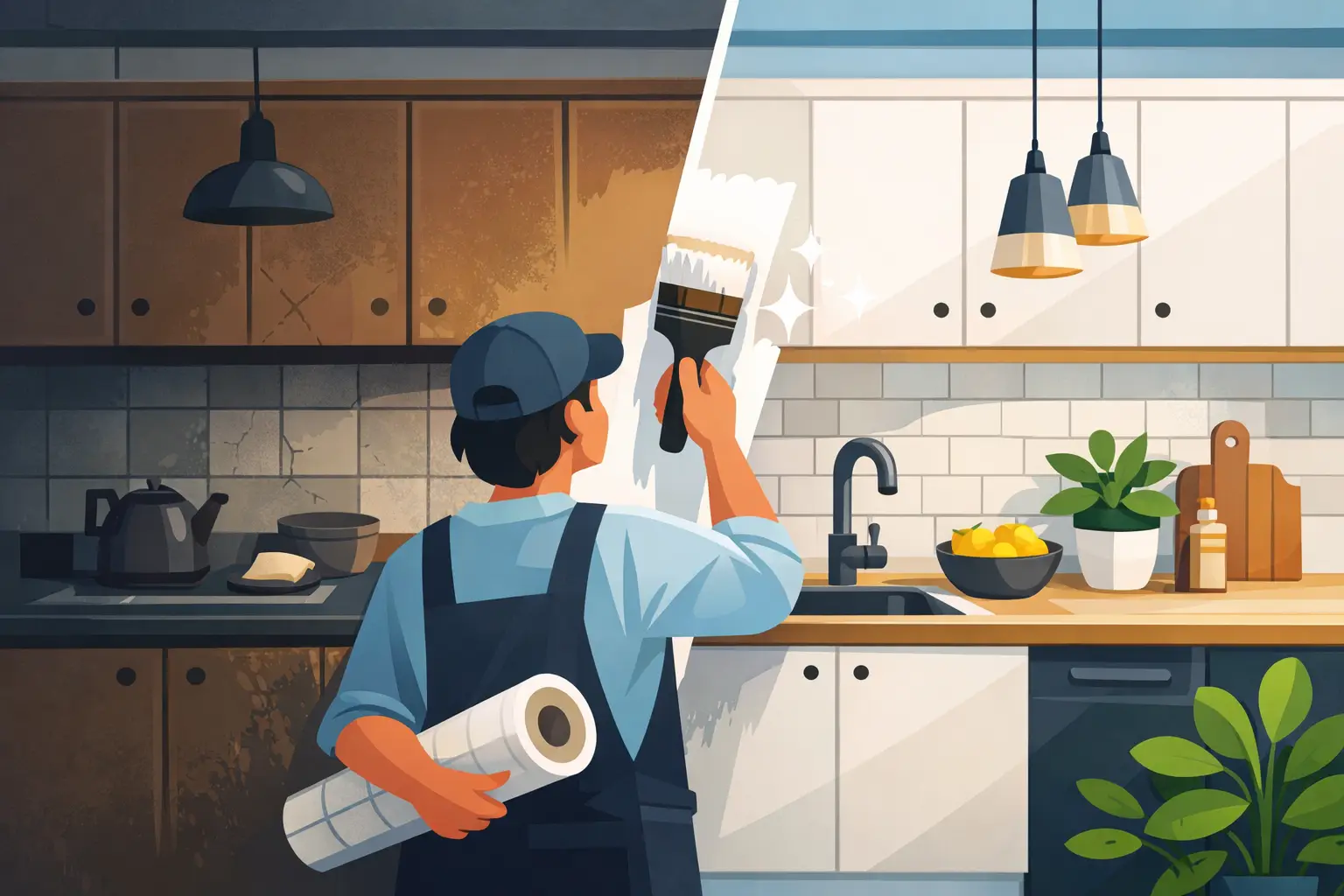
A typical small kitchen before respraying often has timber-effect or cream units that have yellowed over time. Handles may be dated, the overall look may feel heavy, and the room can seem narrower than it is. In compact kitchens, every surface matters. If the cabinetry is dark, tired or uneven in finish, the whole room can feel older and less clean, even when it is well maintained.
After a professional respray, the same kitchen can look sharper, lighter and more current. Soft whites, warm greys, muted greens and modern cashmere tones tend to work particularly well in smaller spaces because they reflect light and give the room a calmer, more open feel. The transformation is not only about colour. It is also about consistency, with a smooth, factory-like finish that makes existing cabinetry look renewed rather than patched up.
Before and after: the anatomy of a small kitchen respray transformation
Imagine a modest U-shaped kitchen in a family home. The units are solid, but the doors are a dated oak effect, the end panels are slightly faded, and years of use have left marks around the handles. The room works well from a practical point of view, yet it never feels fresh.
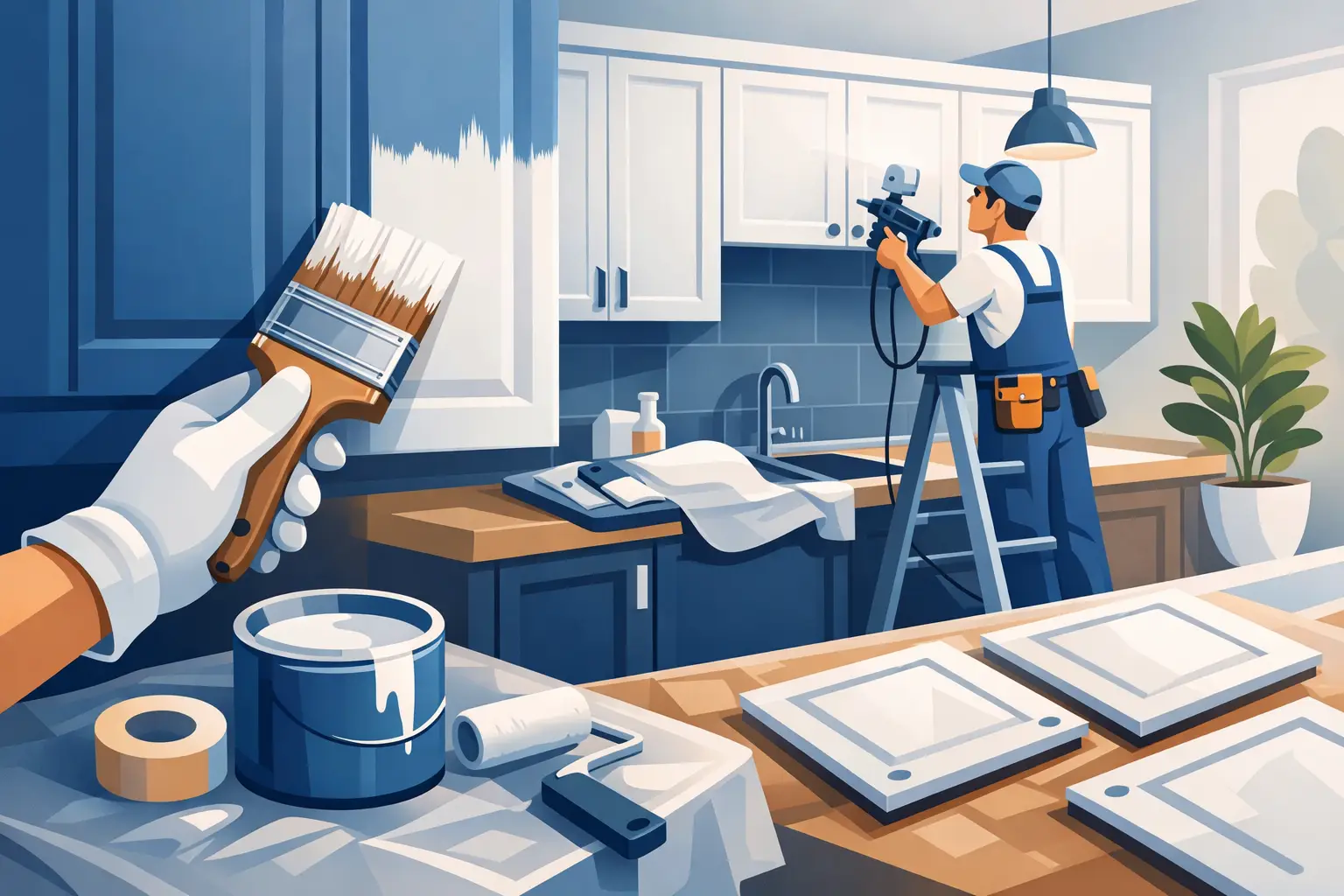
In a full renovation, that homeowner would face the cost of ripping out cabinetry, possible plumbing and electrical adjustments, and days or weeks of disruption. In a respray project, the focus stays on what is already working. Doors and drawer fronts are prepared properly, surfaces are cleaned and sanded as needed, and a specialist coating system is applied to create a durable new finish.
The visible result can be striking. A darker, heavier kitchen becomes brighter. The grainy, dated look disappears. The room starts to feel more expensive because the finish is uniform and intentional. If new handles are added at the same time, the improvement is even more noticeable.
That said, trade-offs do matter. If cabinets are swollen from water damage, badly warped or fundamentally poor quality, respraying may not be the right answer on its own. A professional assessment should always come first, because the best transformations happen when the underlying kitchen is worth keeping.
Why small kitchens benefit most from respraying
Larger kitchens can absorb dated finishes a little more easily because they usually have more natural light and more visual breathing room. Small kitchens do not have that luxury. Every cabinet door is close to the eye, and every colour choice affects how spacious the room feels.
This is one reason respraying makes such sense in compact spaces. You are changing the dominant visual feature of the room without changing the footprint. In practical terms, that means you can modernise the kitchen while avoiding the upheaval that often comes with replacement works.
There is also a financial angle that matters to many homeowners. A small kitchen may not need less care or expertise than a large one, but a full refit can still feel hard to justify when the carcasses are in good condition. Respraying offers a more affordable route to a high-end appearance, particularly for households who want to improve the home sensibly rather than spend for the sake of it.
Choosing colours for an example small kitchen respray transformation
Colour selection has a bigger impact in a compact kitchen than many people expect. The wrong shade can make the room feel flat or clinical. The right one can lift the entire space.
For smaller kitchens, lighter shades are often the safest choice, but that does not mean plain or bland. Warm white can create a crisp, clean finish without looking stark. Light grey works well in homes that want a contemporary look with a little softness. Sage or muted olive can add character while still keeping the room calm and bright.
It depends, though, on the rest of the room. If the flooring is dark, a very cool cabinet colour may feel too sharp. If there is little natural light, a warmer neutral usually works better than an icy tone. And if the worktops are staying as they are, the cabinet colour needs to complement them rather than compete.
This is where experience matters. A trusted respray specialist will not only apply the finish well but also advise on what suits the room, the lighting and the age of the property.
The process behind a professional finish
The best small kitchen transformations are built on preparation. Homeowners often focus on the final colour, but durability comes from the work done before the topcoat ever goes on.
A professional respray process typically starts with careful assessment and removal of doors and drawer fronts where appropriate. Surfaces are cleaned thoroughly to remove grease and residue. They are then prepared to ensure proper adhesion, because paint applied over poorly prepared cabinetry will not stand up to everyday use.
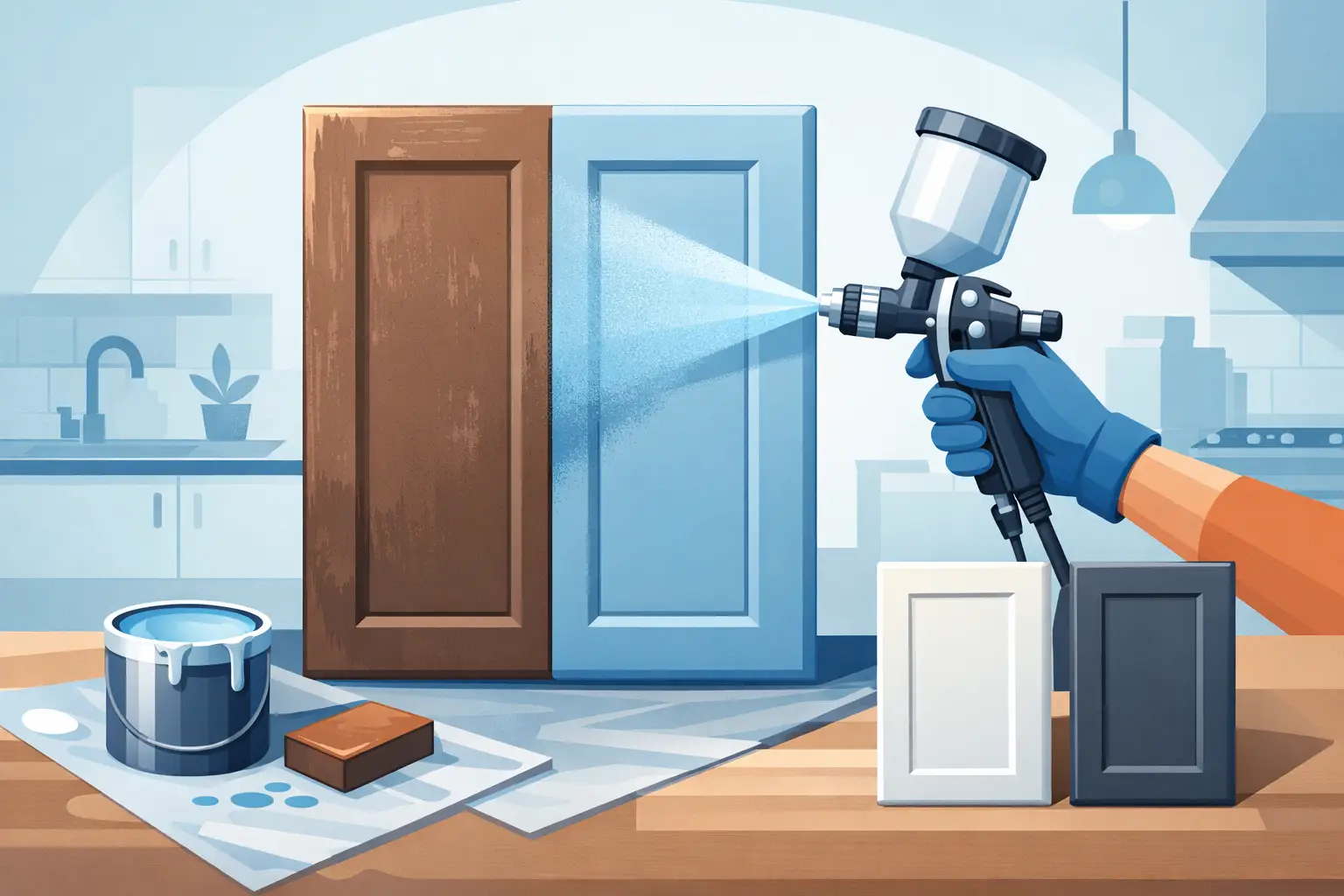
Once primed and sprayed with specialist products, the finish should look smooth and even across all visible surfaces. Done properly, it is not brush-marked, patchy or thin. It should feel like a genuine refurbishment rather than a quick refresh.
For homeowners in busy households, the appeal is obvious. Compared with a full kitchen replacement, the disruption is far lower, and the kitchen can be transformed in a much shorter timeframe. That is a major advantage if you want a fresh look without having trades in and out of the house for an extended period.
More than appearance: value, waste and practicality
A strong example small kitchen respray transformation is not only about looks. It is also about making a practical decision that respects the value already built into your home.
If your cabinet frames are sound, replacing them can create unnecessary waste. Respraying allows you to keep what still works and improve what no longer looks its best. For many homeowners, that is the more sensible and eco-friendly option.
There is also the question of resale and day-to-day enjoyment. Kitchens influence how a home feels, and even a small one can leave a lasting impression. A dated finish can drag the room down, while a professionally resprayed kitchen can make the space look cleaner, better cared for and more current.
For homeowners across Dublin and surrounding counties, that balance of appearance, cost control and reduced disruption is a large part of the appeal. It is why expert providers such as Dublin Kitchen Respray have seen so many customers choose respraying instead of replacement.
Is your kitchen a good candidate?
The strongest candidates for respraying are kitchens with good bones. If the layout works, the doors close properly, and the cabinets are structurally sound, there is every chance a respray could transform the room.
If, however, you dislike the overall configuration, need more storage, or have significant damage to the units, a respray may only solve part of the problem. That does not make it a poor option, but it does mean expectations should be realistic. The finish can be stunning, but it cannot redesign the room.
That is why the best approach is honest assessment rather than assumptions. A professional opinion will tell you whether respraying is the right investment and what level of transformation you can expect.
A small kitchen does not need to be stripped out to feel new again. Often, the smartest change is the one that keeps what is solid, improves what is visible, and gives the room a fresh start with far less fuss.