A freshly resprayed kitchen should look consistent across doors, drawers, and cabinet panels. However, achieving that appearance requires more than applying a new colour. Surface condition, preparation methods, and coating compatibility all influence the result. Small mistakes during these stages can create noticeable problems later.
Homeowners researching a kitchen respray should understand these potential issues. Knowing what affects finish quality helps them ask better questions before booking. It also supports realistic expectations about preparation, durability, and aftercare.
Mistake 1: Painting Over Grease and Cleaning Residue
Kitchen cabinets accumulate grease even when surfaces appear reasonably clean. Cooking vapours, fingerprints, and household cleaning products can leave invisible residues. These substances may interfere with coating adhesion.
Applying paint directly over contaminated surfaces increases the risk of poor bonding. Problems may appear as uneven coverage, peeling, or localised finish defects. Additional paint layers cannot reliably correct contaminated preparation.
A professional kitchen respray in Bray, County Wicklow should include suitable cleaning and degreasing procedures. Surface preparation must address residues before sanding or priming begins. The appropriate cleaning method depends on the existing material.
How to Avoid This Mistake
Ask how cabinet surfaces will be cleaned before refinishing. Confirm whether handles and difficult edges receive proper attention. Thorough preparation supports a more consistent final finish.
Mistake 2: Using Coatings Unsuitable for Cabinet Materials
Kitchen cabinet surfaces vary considerably between homes. Solid timber, MDF, laminate, and factory coated panels have different preparation requirements. A coating suitable for one material may perform poorly on another.
Using incompatible products can affect adhesion, appearance, and long term performance. Some surfaces require specialist primers or additional treatment. Existing coatings must also be checked before applying new materials.
A kitchen respray should use products selected for the specific cabinet surfaces. Ordinary wall paint is generally unsuitable for frequently handled kitchen doors. Cabinet coatings need appropriate resistance to regular household use.
How to Avoid This Mistake
Ask which primer and finishing system will be used. Confirm its compatibility with existing surfaces and coatings. Product selection should follow inspection rather than assumptions.
Mistake 3: Ignoring Chips, Peeling Edges, and Surface Damage
A new finish cannot automatically conceal every cabinet defect. Deep scratches, damaged corners, and loose surface coverings may remain visible. Some problems can also worsen beneath newly applied coatings.
Minor imperfections may require filling, sanding, or additional preparation. However, swollen MDF and unstable coverings may need component replacement. Painting over weakened materials does not restore structural strength.
Before a kitchen respray, inspect doors and drawer fronts under good lighting. Pay attention to edges around sinks, dishwashers, and frequently handled cupboards. These areas often reveal problems missed during casual inspection.
How to Avoid This Mistake
Request an assessment of visible damage before confirming the quotation. Ask which repairs are included and which require additional work. Clear expectations help prevent disappointment.
Mistake 4: Choosing a Finish Without Testing Samples
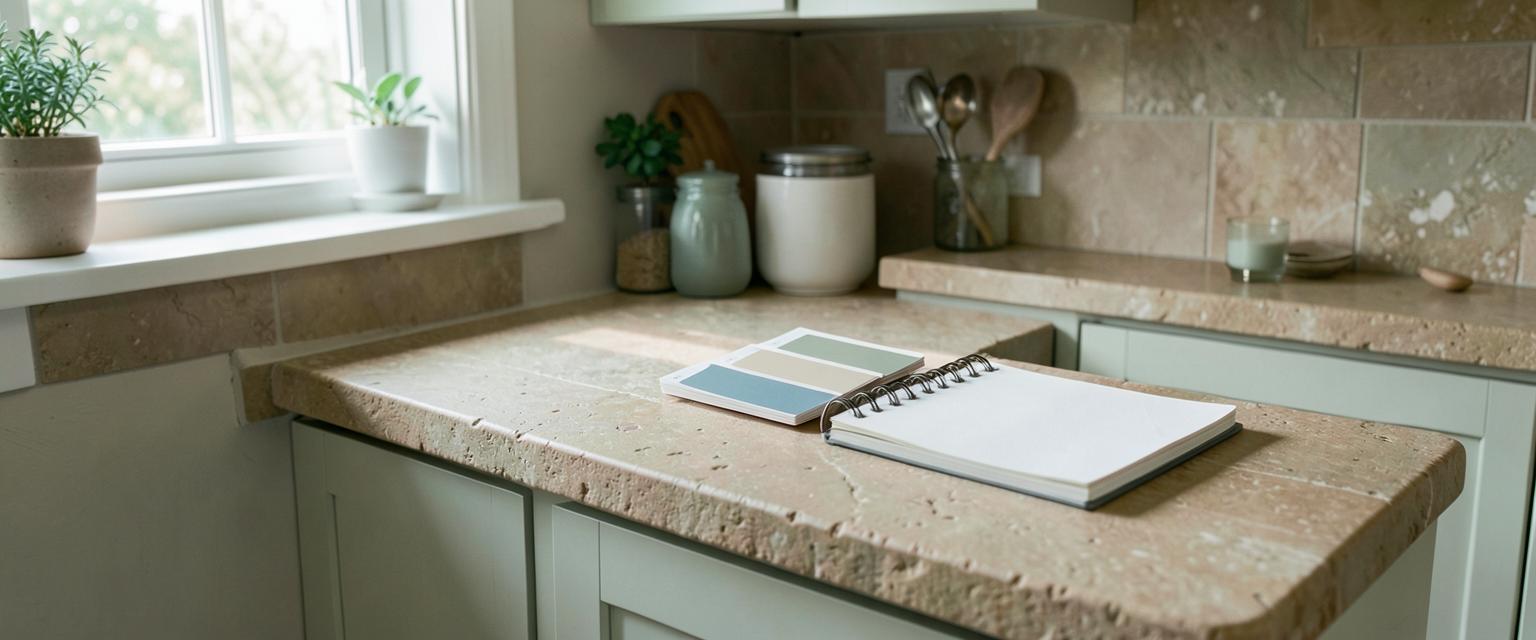
Cabinet colours can appear different under changing lighting conditions. A shade viewed online may look warmer or cooler inside your kitchen. Finish sheen can also change how strongly surfaces reflect light.
Matte, satin, and gloss finishes produce different visual effects. Darker colours may reveal certain marks more noticeably. Some highly reflective finishes can emphasise surface irregularities.
A kitchen respray involves decisions that affect the entire room's appearance. Choosing from photographs alone creates unnecessary uncertainty. Physical samples provide a more reliable comparison.
How to Avoid This Mistake
Examine colour samples beside existing countertops, flooring, and splashbacks. Check them during daylight and under evening lighting. Compare finish options before approving the final selection.
Mistake 5: Using Cabinets Before the Coating Fully Cures
Freshly applied coatings require time to develop their intended properties. A surface may feel dry before reaching sufficient hardness. Early heavy use can cause marks or damage.
Drying and curing periods vary between coating systems. Temperature, humidity, and application conditions can influence these requirements. Assuming every finish cures at the same speed is unwise.
After a kitchen respray, avoid unnecessary handling during the recommended curing period. Do not immediately use abrasive cleaners or place pressure against newly finished surfaces. Follow the specific instructions provided.
How to Avoid This Mistake
Ask when cabinet doors can safely return to regular use. Confirm cleaning restrictions and recommended aftercare methods. Written guidance helps households protect the new finish.
What Should You Check Before Booking?
A successful refinishing project begins with clear questions and realistic expectations. Homeowners should understand how the work will be completed before confirming arrangements.
Check these important details:
- Cabinet condition and material compatibility.
- Cleaning, sanding, and repair requirements.
- Primer and coating selection.
- Door removal and reinstallation procedures.
- Estimated drying and curing periods.
- Cleaning recommendations after completion.
A professional kitchen respray should address these considerations during project planning. Clear communication helps identify limitations before work begins.
Plan Your Bray Kitchen Respray Carefully
Finish quality depends on preparation, suitable materials, and appropriate aftercare. Avoiding common mistakes can reduce preventable problems and improve overall consistency. Cabinet condition should always guide the proposed refinishing method.
Dublin Kitchen Respray can discuss suitable cabinet surfaces and professional preparation requirements. The team can explain finishing options and practical considerations for your project. Call 087 661 4038 to discuss your Bray kitchen makeover.
Related reading
Related posts
6 Small Kitchen Updates That Can Transform the Look of Harold's Cross Homes
A kitchen does not need a complete renovation to feel noticeably different. Sometimes, outdated finishes and small visual details create most of the problem.
Read moreMatte vs Satin Kitchen Cabinets: Which Finish Works Better for Sandyford Homes?
Choosing a cabinet colour is only half the decision when updating your kitchen. The finish determines how surfaces reflect light, reveal marks, and respond to daily use.
Read more