
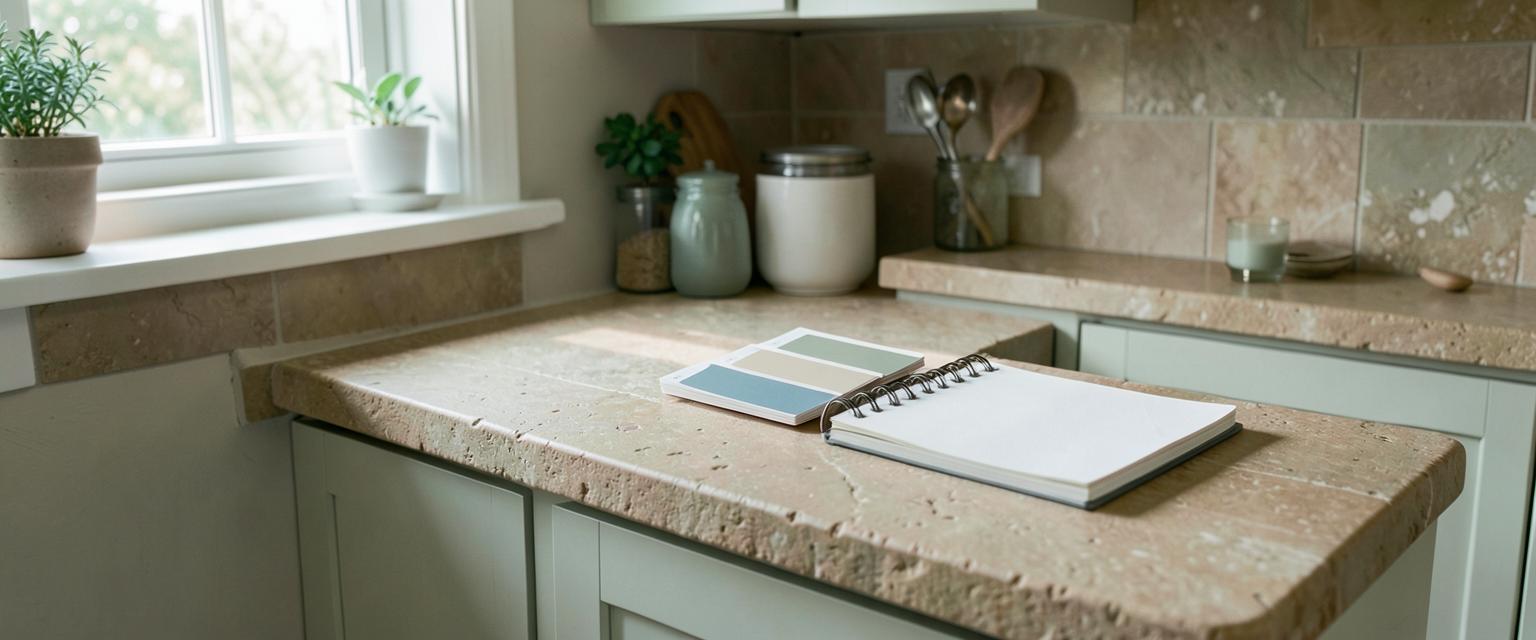
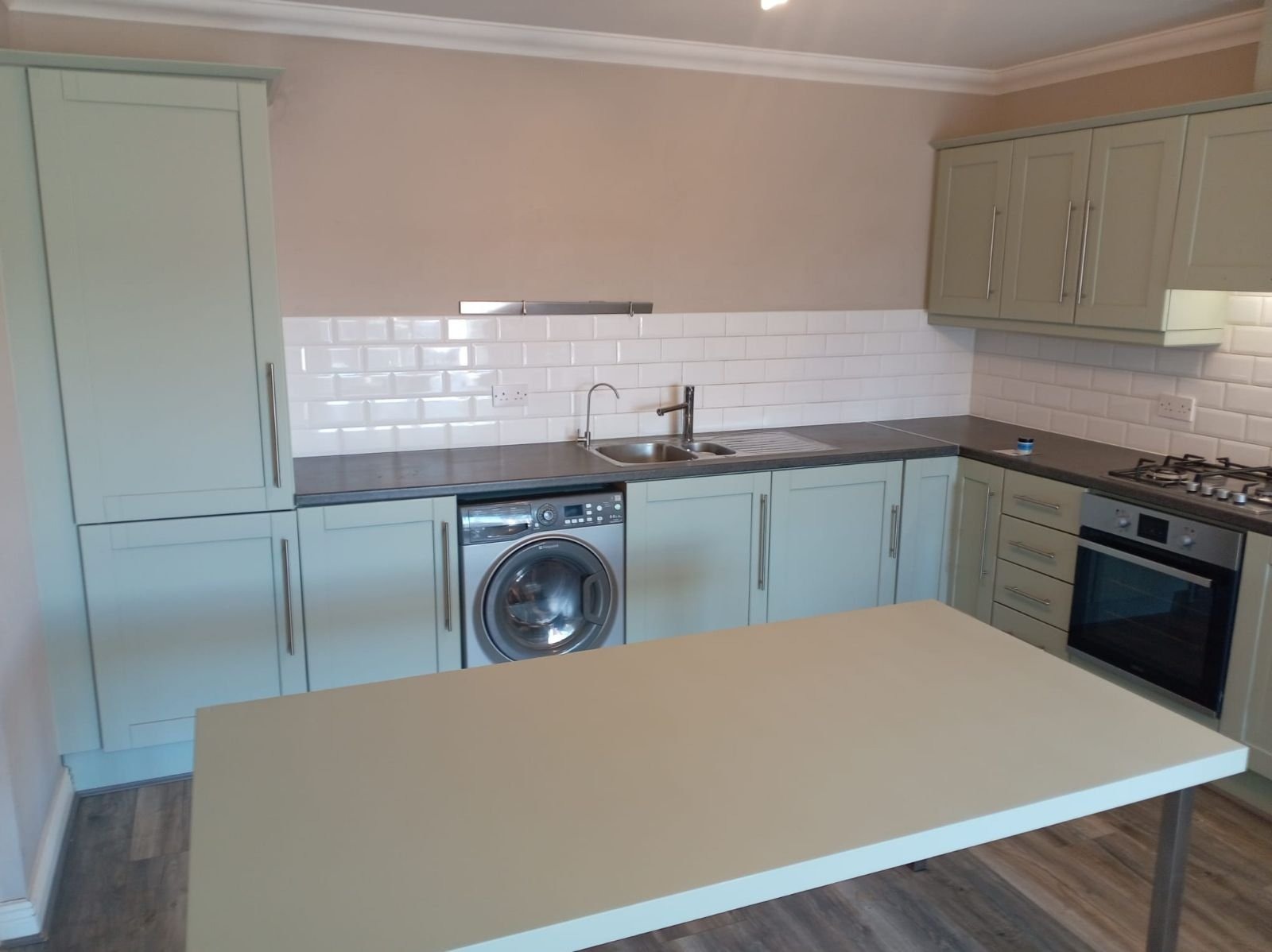
Kitchen renovations often raise concerns about noise, mess, and interrupted household routines. Removing cabinets can create additional work beyond the original renovation plans. However, changing a kitchen's appearance does not always require replacing its existing units.
When cabinet structures remain suitable, refinishing offers another approach. Homeowners considering a kitchen respray can explore updating cabinet surfaces while retaining their layout. Understanding the process helps households prepare for temporary restrictions and practical changes.
Why Cabinet Respraying Can Reduce Renovation Disruption
Traditional kitchen replacement may involve removing units, adjusting fittings, and disposing of materials. Additional work sometimes affects countertops, plumbing, or surrounding finishes. These changes can extend disruption beyond the cabinet installation itself.
A kitchen respray in Swords focuses primarily on refinishing suitable existing cabinetry. Cabinet boxes and layouts can often remain in place. This reduces the need for extensive removal and reconstruction.
However, respraying still requires preparation, equipment, and controlled working conditions. Some areas may become temporarily inaccessible during the process. The exact disruption depends on the chosen working method.
Step 1: Assessing the Existing Kitchen Cabinets
Every successful project begins with checking cabinet condition and material suitability. Doors, drawer fronts, and fixed panels require inspection before refinishing. Existing coatings and damaged areas also influence preparation requirements.
A professional assessment helps identify surfaces requiring repairs or additional treatment. Swollen boards, loose coverings, and structural defects may limit suitability. These problems should be addressed before finishing work begins.
During this stage, discuss your preferred colour and finish. Ask which components can remain installed during the kitchen respray. Clear expectations help avoid misunderstandings once work starts.
Step 2: Preparing Your Kitchen Before Work Begins
Homeowners can reduce unnecessary disruption through a few practical preparations. Clear countertops and remove fragile items near working areas. Make frequently needed household essentials accessible elsewhere.
Depending on the work plan, cupboards may need partial or complete emptying. Confirm these requirements with the contractor before the scheduled start. Do not assume every cabinet must be emptied automatically.
A kitchen respray may also require access to electricity and suitable working space. Discuss ventilation arrangements and any restrictions involving children or pets. These details help keep the working environment organised.
Step 3: Removing and Labelling Cabinet Components
Some respraying methods involve removing doors and drawer fronts for separate finishing. This allows better access to edges and detailed surfaces. Hinges, handles, and fittings may also need temporary removal.
Careful labelling helps ensure components return to their correct positions. It also reduces confusion when similar doors have different measurements. Fixed cabinet sections may require preparation within the kitchen.
The kitchen respray method should be explained before work begins. Ask which components will be treated onsite and which elsewhere. This distinction affects household access and preparation arrangements.
Step 4: Cleaning, Repairs, and Surface Preparation
Preparation plays a major role in the finished appearance. Kitchen surfaces often contain grease, cleaning residue, and previous coating layers. These materials can interfere with adhesion if left untreated.
Suitable preparation may include degreasing, sanding, filling, and applying compatible primers. The exact process depends on cabinet materials and existing finishes. Damaged surfaces may require additional repairs.
A professional kitchen respray should never rely on coating application alone. Proper preparation supports adhesion and a more consistent appearance. Skipping necessary stages can compromise the result.
Step 5: Applying the New Cabinet Finish
Once surfaces are prepared, suitable coatings can be applied under controlled conditions. Multiple stages may be necessary depending on the selected coating system. Drying requirements vary between products and environmental conditions.
Professional spraying aims to produce an even finish across prepared surfaces. However, application methods differ according to equipment and project requirements. Homeowners should confirm the intended process beforehand.
During a kitchen respray, some kitchen activities may need temporary adjustment. Avoid touching freshly coated surfaces or entering restricted working areas. Follow the contractor's instructions regarding access and ventilation.
Step 6: Reassembly, Curing, and Final Checks
Cabinet components can be reinstalled when the coating permits safe handling. Doors and drawers should be checked for alignment and movement. Handles and hinges also require proper refitting.
Drying and full curing are not necessarily the same process. A surface may feel dry before reaching its intended hardness. Early heavy use can increase the risk of damage.
Ask for written aftercare guidance following your kitchen respray. Confirm when normal cleaning and regular handling can resume. Following these instructions helps protect the finished surfaces.
How Long Will Your Kitchen Be Disrupted?
Project duration depends on cabinet quantity, condition, preparation, and coating requirements. Drying conditions and the chosen finishing method also affect scheduling. No single timeframe applies to every kitchen.
Ask for an estimated schedule before confirming the work. Clarify when doors will be removed and reinstalled. Also establish which kitchen facilities will remain accessible.
A well planned kitchen respray can limit unnecessary disruption. However, realistic scheduling remains essential for a satisfactory experience. Allow appropriate time for preparation, finishing, and curing.
Plan Your Swords Kitchen Makeover With Confidence
Refreshing existing cabinets can avoid some disruption associated with full replacement. Nevertheless, careful preparation and temporary access restrictions remain necessary. Understanding each stage makes household planning considerably easier.
Dublin Kitchen Respray can assess suitable cabinets and explain the proposed refinishing process. Discuss your kitchen's condition, preferred finish, and scheduling requirements before proceeding. Call 087 661 4038 to enquire about your Swords kitchen makeover.
Related reading
Related posts
6 Small Kitchen Updates That Can Transform the Look of Harold's Cross Homes
A kitchen does not need a complete renovation to feel noticeably different. Sometimes, outdated finishes and small visual details create most of the problem.
Read moreMatte vs Satin Kitchen Cabinets: Which Finish Works Better for Sandyford Homes?
Choosing a cabinet colour is only half the decision when updating your kitchen. The finish determines how surfaces reflect light, reveal marks, and respond to daily use.
Read more