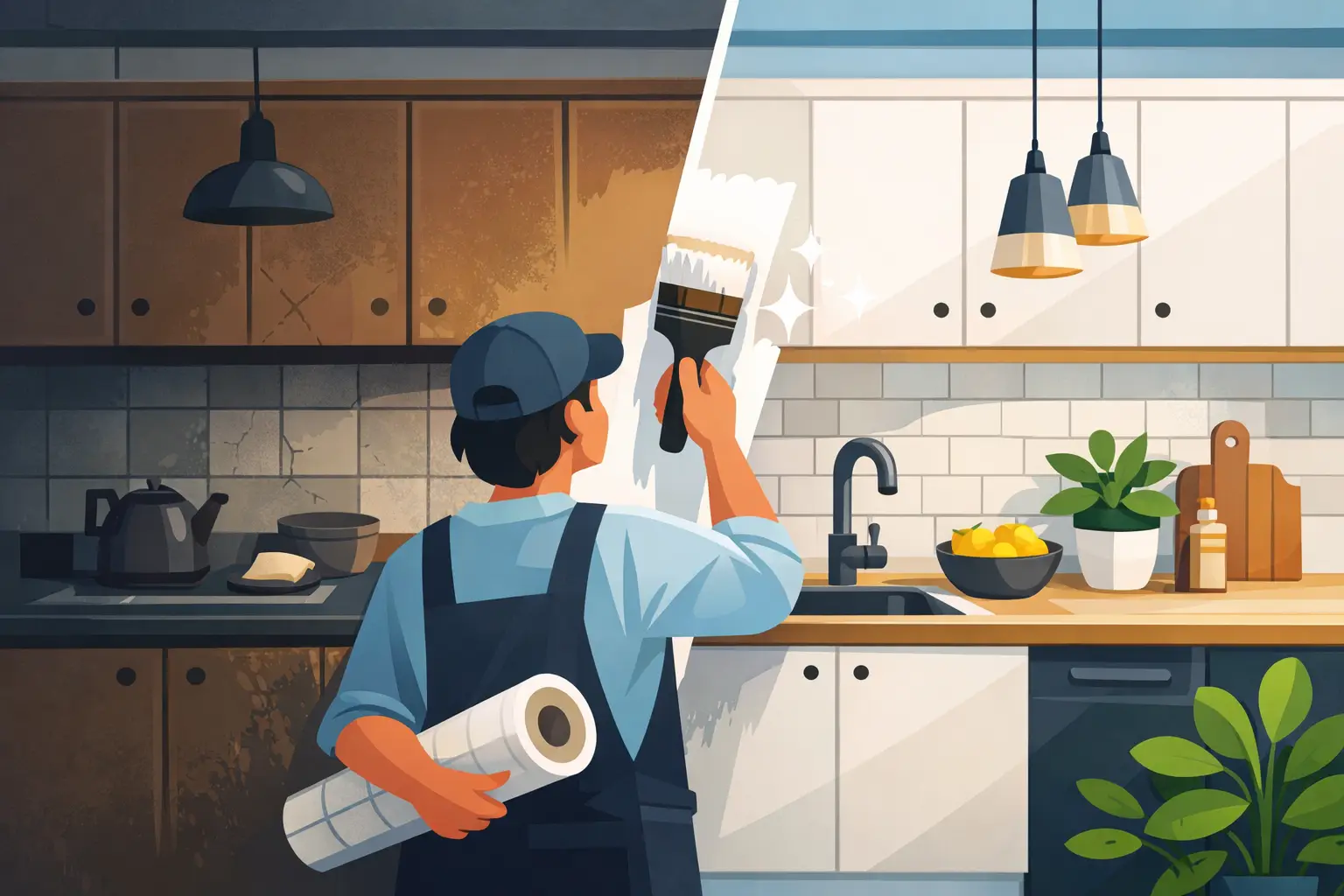
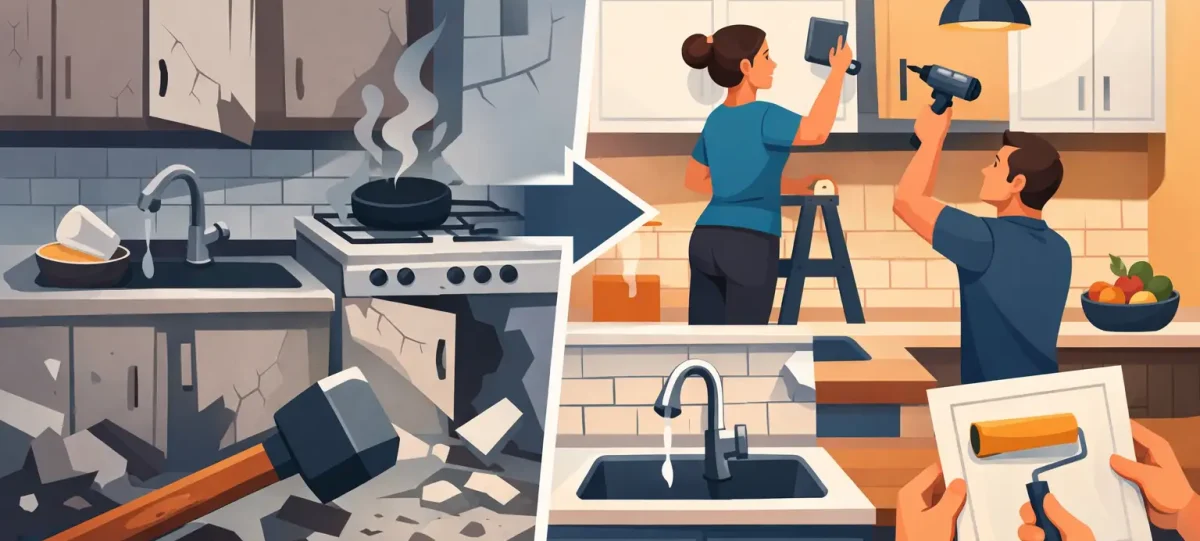
A kitchen can look tired long before it actually fails. Faded cupboard doors, chipped edges, dated colours and worn worktops often make homeowners assume a full refit is the only sensible option. In reality, knowing how to avoid full kitchen replacement usually comes down to one question – what is genuinely worn out, and what simply looks past its best?
That distinction matters. If your cabinet units are structurally sound, your layout still works, and the room functions well day to day, replacing everything can be an expensive answer to a mostly cosmetic problem. A more measured approach often delivers the same visual impact, with less disruption, less waste and a far better return on your budget.
How to avoid full kitchen replacement without cutting corners
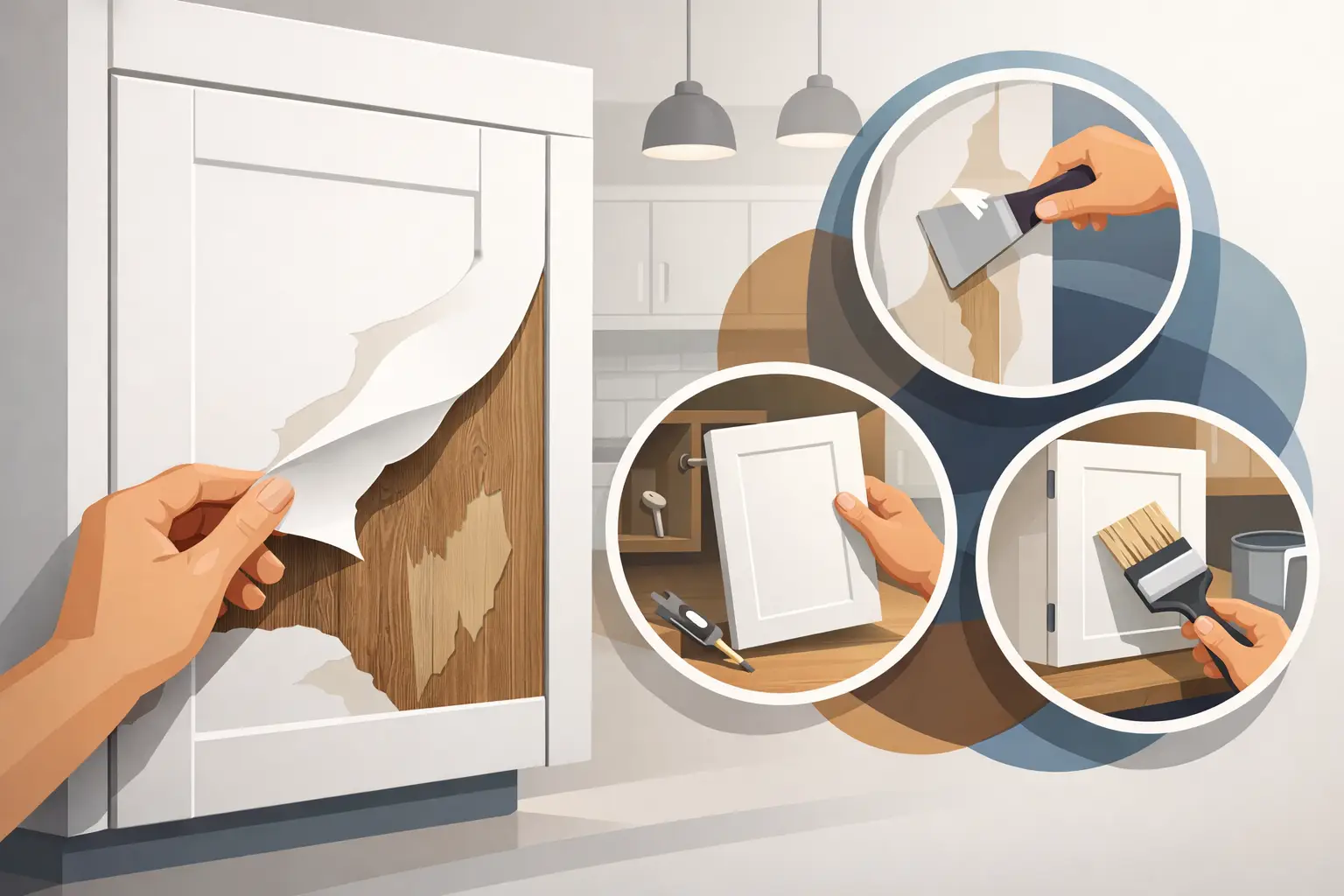
The first step is to assess the kitchen honestly. Many homeowners focus on what they see first, usually the door fronts or worktops, and assume the whole room is beyond saving. But kitchen carcasses are often built to last much longer than their finish. If the cabinets open and close properly, the hinges can be adjusted, and there is no serious swelling or structural damage, those units may still have years of life left in them.
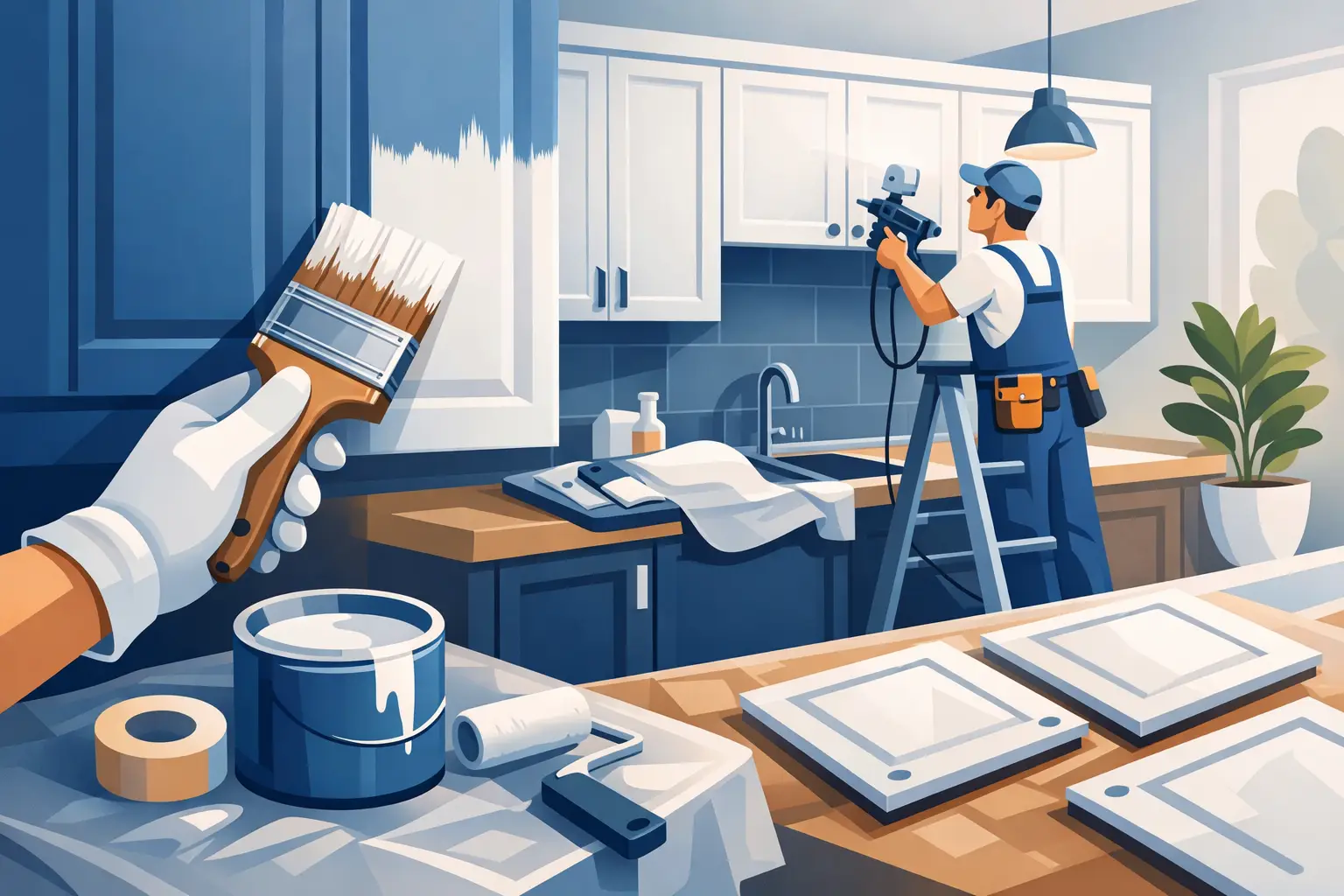
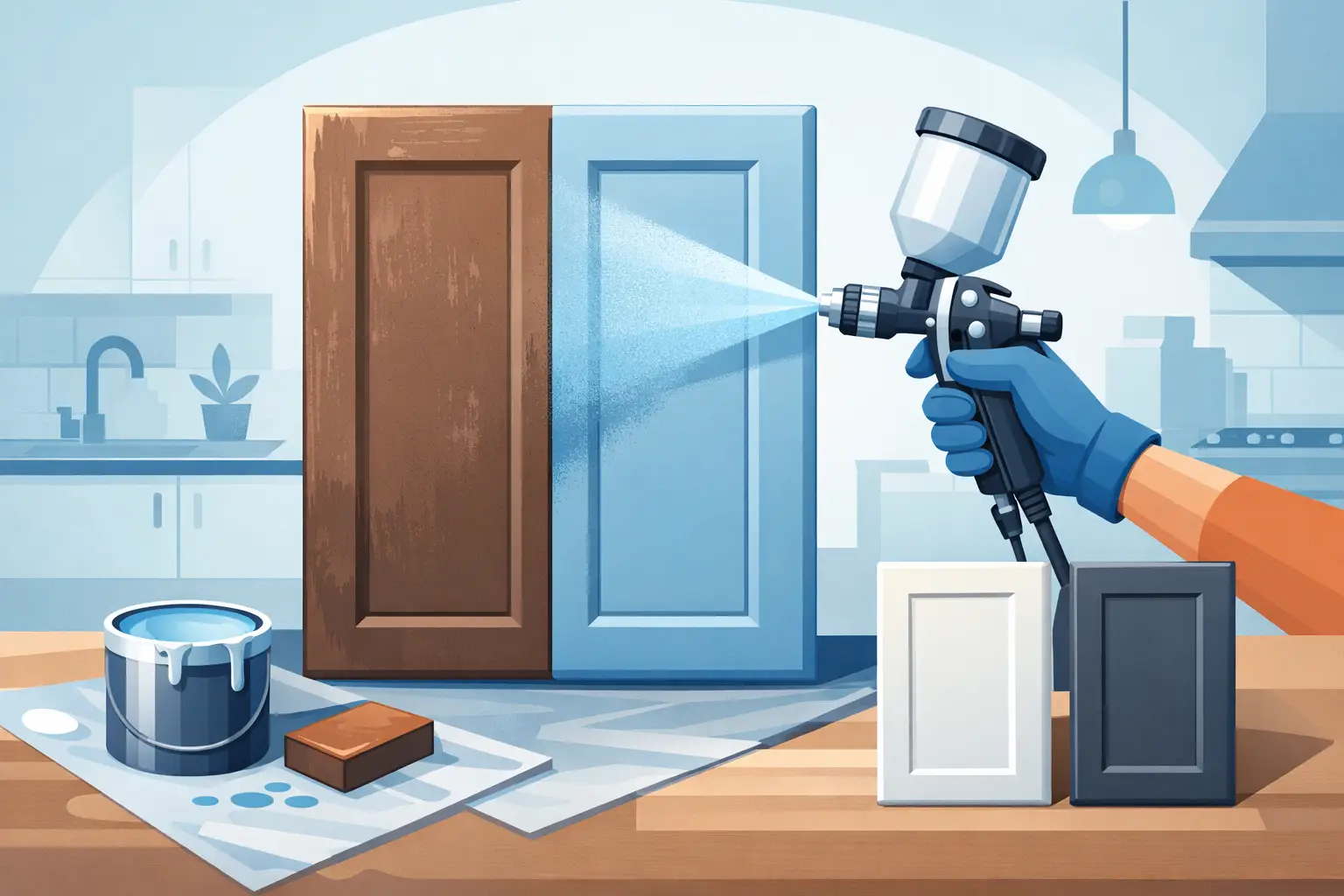
This is where targeted renovation makes sense. Rather than stripping out a complete kitchen, you improve the surfaces that shape the room visually. Cabinet respraying is one of the most effective ways to do that. A professional spray finish can transform dated wood tones, yellowing whites or scuffed painted doors into a clean, modern finish that looks like a new installation. The result is not a temporary cover-up. Done properly, it is a durable, high-quality finish designed for busy family kitchens.
The same thinking applies to worktops, splashbacks and tiles. If the surfaces are sound but look tired, refinishing them can dramatically lift the room without the mess of major building work. That is often the difference between an affordable update and a full renovation bill that quickly runs away.
Start with what makes a kitchen look old
A kitchen rarely feels dated because of one issue alone. More often, it is a combination of visual signals. Door fronts may be worn, handles may feel old-fashioned, the worktop may have lost its finish, and the overall colour scheme may no longer suit the house. Once those details stack up, the whole room can feel ready for replacement even when the underlying kitchen is still in good condition.
A professional respray deals with one of the biggest visual factors straight away: colour and finish. Moving from glossy cream doors that have aged badly to a fresh matt neutral, deep navy or contemporary soft grey can completely alter the character of the space. For homeowners who like the kitchen layout and storage they already have, this is often the most practical route forward.
Hardware also deserves more attention than it usually gets. New handles can sharpen the entire look of the cabinetry, but they work best as part of a wider refresh rather than as a standalone fix. If the doors are heavily marked or the colour dates the room, changing handles alone may not go far enough. On the other hand, paired with resprayed cabinets, they can make the kitchen feel genuinely redesigned.
Lighting, too, can change perception. Under-cabinet lighting, warmer bulb choices or improved ceiling fittings can make a resprayed kitchen feel brighter and more expensive. These are not dramatic construction changes, but they influence how finished the room feels.
When respraying is the smarter choice
Cabinet respraying suits kitchens where the bones are good but the appearance is holding them back. If the units are firmly fitted, the layout works for your household and the doors are in reasonable condition, spraying is often the smarter investment. It avoids the upheaval of removing cabinets, rerouting services and potentially dealing with flooring, plastering and decorating that often follows a full replacement.
For many households, disruption matters almost as much as cost. A complete kitchen renovation can affect daily life for weeks. If you work from home, have children, or simply do not want the house turned upside down, a surface-led transformation is far easier to live with. There is still a process, of course, but it is more controlled and considerably less invasive.
There is also the environmental side. Replacing a kitchen that still functions well creates unnecessary waste. Keeping the existing cabinetry and upgrading the finish is a more eco-friendly option, particularly for homeowners who want their renovation choices to reflect practical sustainability rather than throwaway design trends.
Worktops, tiles and splashbacks do not always need replacing
One of the most expensive assumptions in kitchen renovation is that worktops must be torn out as soon as they look tired. In some cases, yes, replacement is the right call – especially if there is serious water damage, deep structural cracks or unsafe lifting around sinks and hobs. But if the issue is mainly visual, refinishing can be a very effective alternative.
Specialist spray granite finishes, for example, can give existing worktops, splashbacks and even tiles a fresh, durable look without the cost of full removal and installation. This can be particularly useful when the layout is working well and the goal is to modernise the room rather than redesign it from scratch.
There are trade-offs. If you dislike the shape, height or overall arrangement of your worktops, refinishing will not solve those practical frustrations. But if you simply want a more current appearance, it can offer excellent value.
Know when a full replacement really is necessary
An honest article on how to avoid full kitchen replacement should also say this: sometimes replacement is the right decision. If cabinet units are warped beyond repair, water damage is widespread, storage is inadequate, or the layout actively makes the kitchen difficult to use, surface improvements may only postpone a bigger problem.
The key is not to replace everything by default. A trusted professional should be able to tell you whether your kitchen is suitable for respraying and refinishing or whether the condition of the materials makes replacement more sensible. Good advice is not about pushing the biggest job. It is about matching the solution to the kitchen you actually have.
That is especially important in older homes, where kitchens may have been fitted around now-outdated appliances or awkward room proportions. In those cases, keeping the existing kitchen may save money in the short term but limit how well the space works. If functionality is the real issue, cosmetic work alone will not fix it.
How to decide where your budget should go
If your goal is to refresh rather than rebuild, spend money where it changes the room most. Cabinet doors and visible surfaces carry the visual weight of the kitchen, so they usually offer the best return. After that, worktops, splashbacks and hardware can refine the result.
What tends to waste money is replacing hidden or serviceable elements simply because they come as part of a full kitchen package. New units, new flooring and structural alterations may sound appealing, but they are not always what the room needs. A carefully planned finish upgrade often creates that sought-after like-new look without paying for a complete reset.
For homeowners in Dublin and surrounding counties, this can be particularly appealing where the aim is to improve the home thoughtfully rather than overcapitalise. A kitchen should add value, but it should also make sense for the house, your routine and your budget.
A fresh kitchen is not always a new kitchen
The best renovations are not always the biggest ones. They are the ones that solve the real problem. If your kitchen looks worn but still works well, replacing it entirely may be more disruption and expense than the room demands.
Professional respraying and surface refinishing offer a practical middle ground – one that can deliver a stunning transformation, preserve what is still working and avoid unnecessary waste. When done with care, the result does not feel like a compromise. It feels like a smart decision that respects both your home and your budget.
Before you commit to ripping everything out, step back and look at the kitchen as it is. You may not need a full replacement at all. You may simply need an expert eye and the right finish.