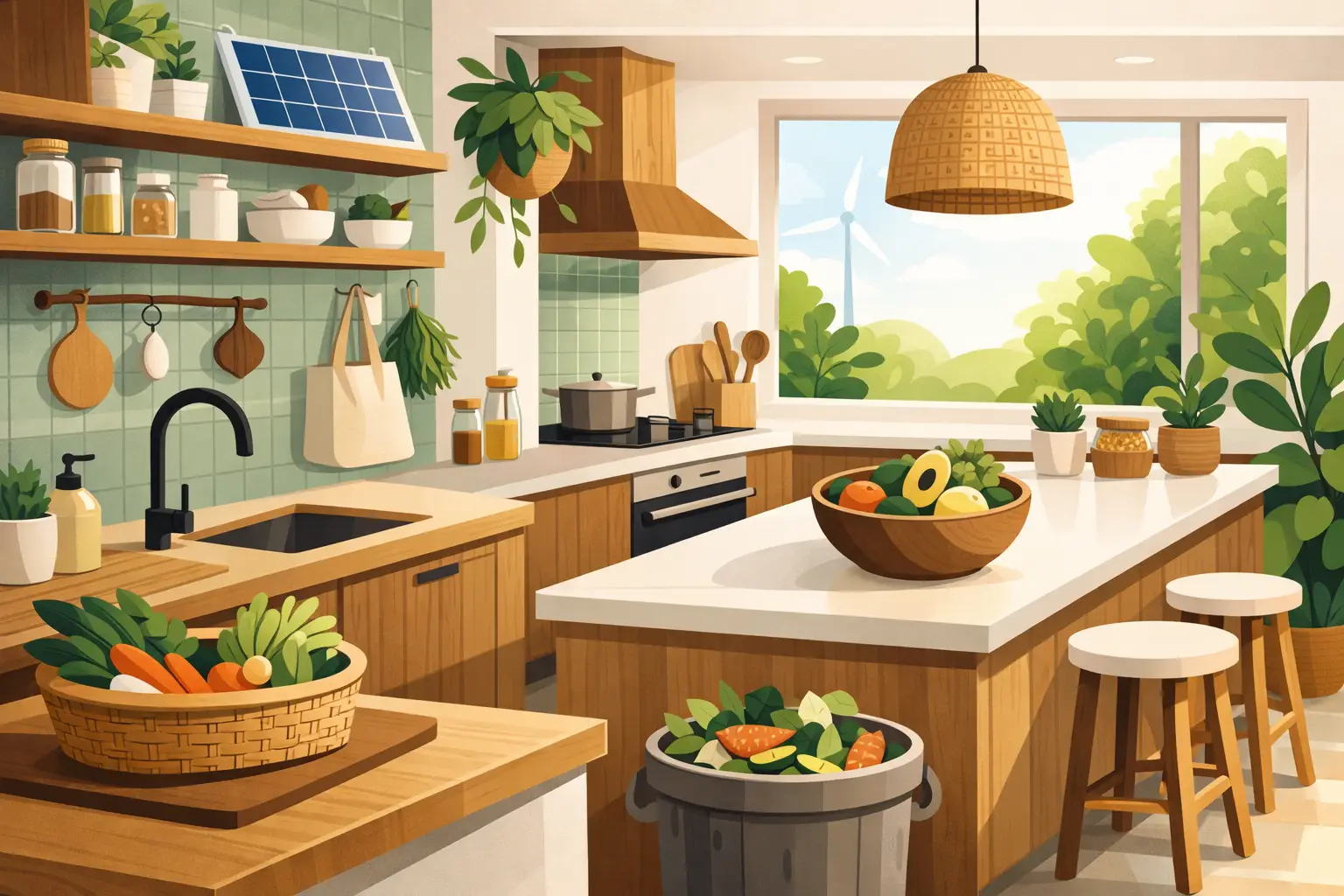

A kitchen can look dated long before it has reached the end of its useful life. For many homeowners, an eco kitchen renovation Dublin project begins with one practical question: what can be kept rather than thrown away? If your cabinet units are sound, replacing them can create unnecessary cost, waste and weeks of disruption. A professional respray can give the room a striking new colour, a durable finish and a genuinely refreshed feel while preserving the materials already in your home.
This is not about settling for a quick cosmetic fix. It is about making considered choices: retaining well-built cabinetry, updating the elements that need attention, and investing in finishes that are designed to last.
Why respraying is central to an eco kitchen renovation Dublin
A full kitchen replacement often means removing cabinets, doors, worktops, tiles and fittings in one go. Even where some of these components are still structurally sound, they may end up in a skip. New units also require raw materials, manufacturing, packaging and transport before they reach your home.
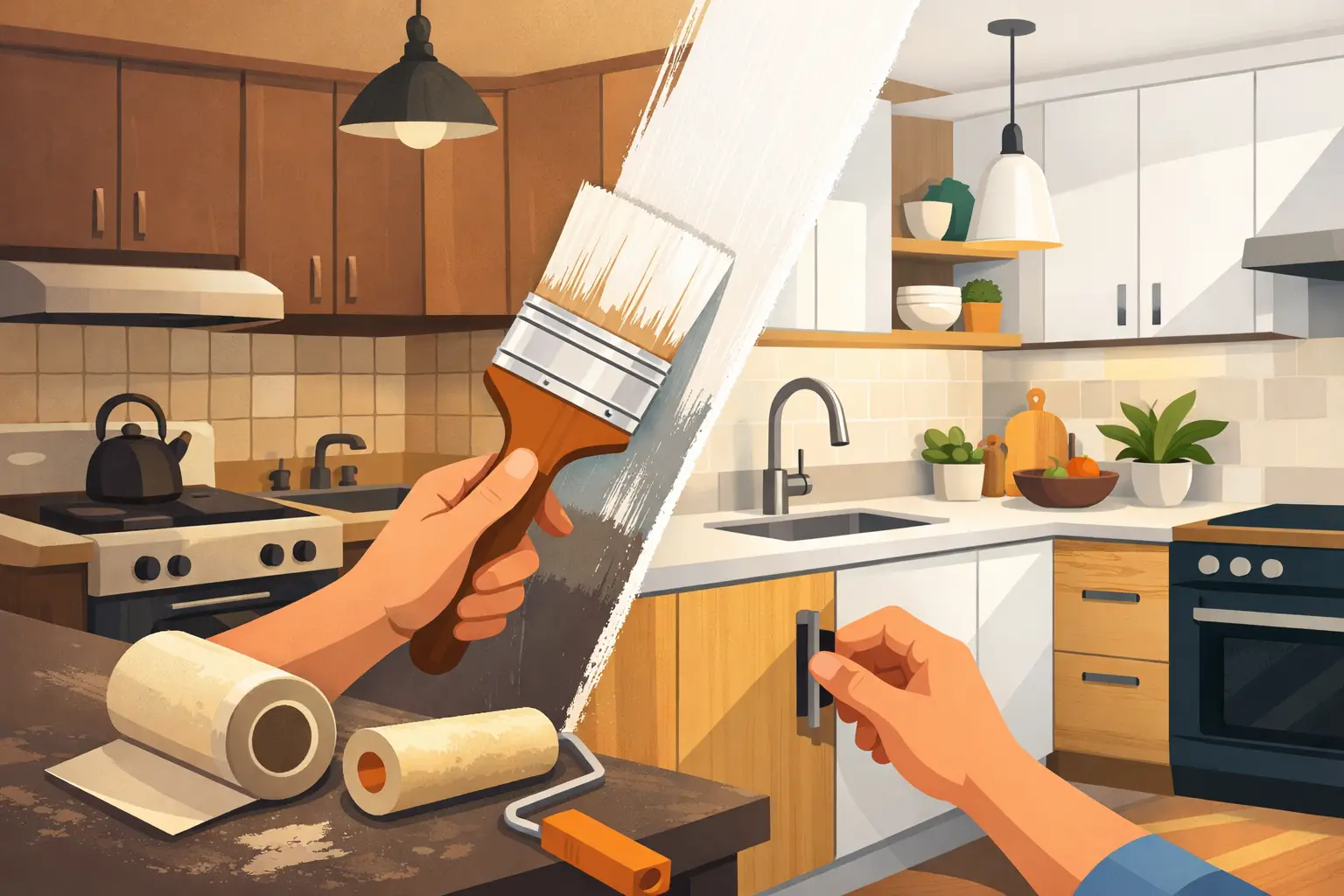
Respraying takes a different route. Existing cabinet doors, drawer fronts and fitted units are carefully prepared and refinished rather than discarded. The result can be a substantial visual transformation with far less material leaving the property. It is a sensible option for homeowners who want a contemporary kitchen without the environmental and financial weight of starting from scratch.
The savings are not only about materials. Retaining the kitchen layout usually reduces the need for plumbing alterations, electrical changes and major building work. That can make the project more affordable and considerably less disruptive for a busy household.
Respraying is especially worthwhile where the cabinet carcasses are sturdy but the finish is tired, scratched, yellowed or simply no longer suits the room. Oak-effect doors, older painted units, laminate-style surfaces and wardrobes can often be brought up to date with the right preparation and professional spray application.
Start by assessing what is worth keeping
An eco-friendly renovation works best when it is based on an honest assessment, rather than a wish to save every existing feature at any cost. Open and close every cabinet door. Check for swollen chipboard around sinks, loose hinges, persistent damp, major warping and structural damage to carcasses. If a unit is failing because of water damage, replacing that individual component may be the more responsible long-term choice.
Where the structure is solid, consider which changes will make the greatest difference. Cabinet colour has the largest visual impact in most kitchens. Switching dark wood-effect doors to a soft neutral, warm white, deep green or contemporary grey can change how light moves around the room. New handles can then reinforce the chosen style without demanding a complete refit.
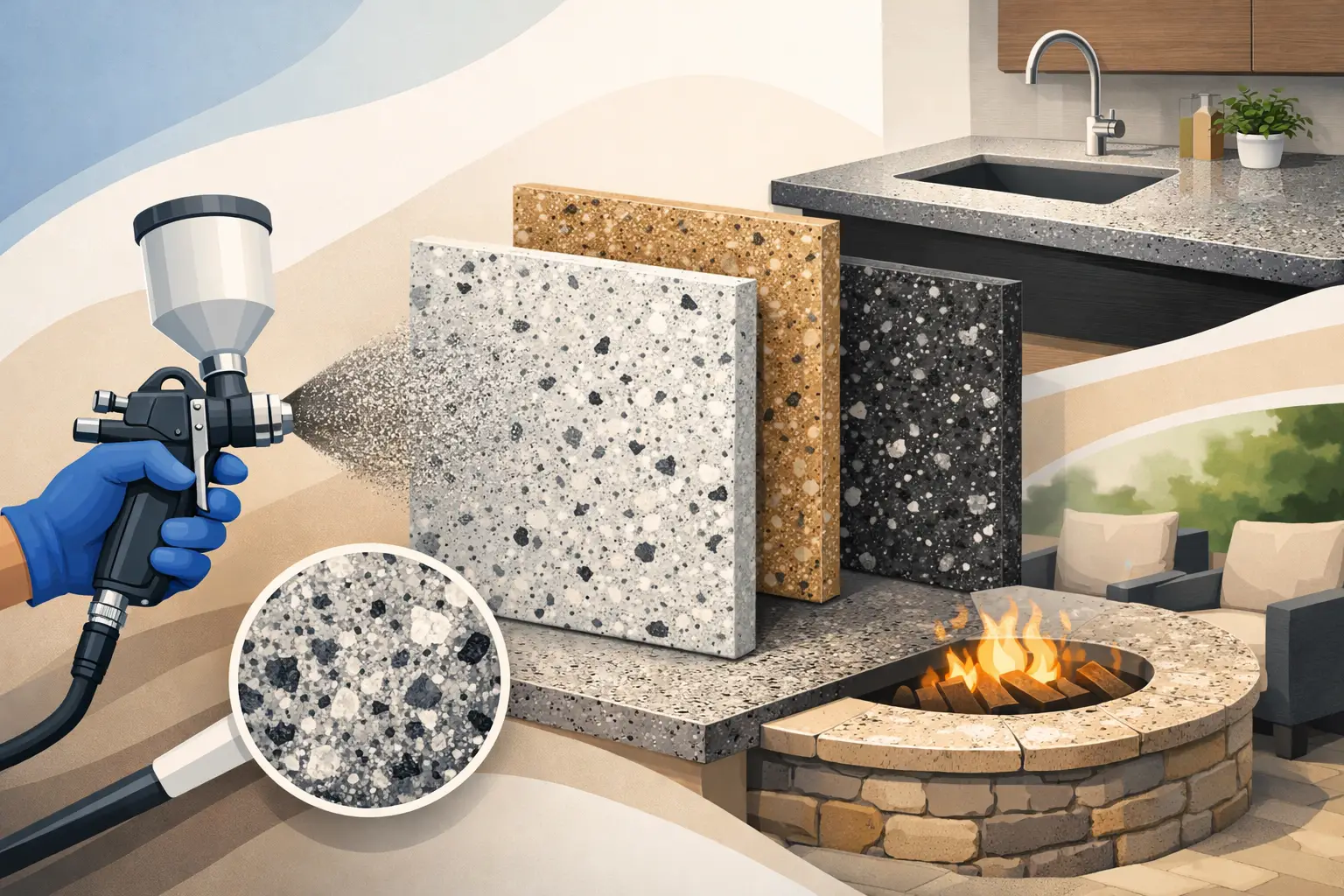
Worktops, splashbacks and tiles deserve the same scrutiny. If they are sound but look worn or mismatched, spray granite can provide a hard-wearing, stone-inspired finish across selected surfaces. This can be particularly useful where replacing a tiled splashback or worktop would involve removing otherwise serviceable materials and creating additional mess.
Choose colours for the kitchen you actually have
Sustainable design is also design that you will not tire of quickly. A colour that looks impressive in a small sample may feel heavy across an entire bank of cabinets. Consider the natural light in the room, flooring that will remain, wall colour and how the kitchen is used day to day.
Lighter shades can make a compact Dublin kitchen feel more open, while richer colours give larger spaces definition and character. A two-tone scheme, such as lighter wall units with a darker island or base cabinets, can add interest without introducing extra materials. The most eco-conscious choice is often a finish you will enjoy for years, not a short-lived trend that encourages another makeover too soon.
Preparation is what makes a resprayed finish last
A quality respray is a professional finishing process, not a coat of paint applied over an old surface. Thorough preparation determines how well the final coating bonds, how evenly the colour appears and how it stands up to everyday use.
Doors, drawer fronts and relevant surfaces are cleaned to remove grease, cooking residue and polish. Imperfections are repaired where appropriate, and surfaces are sanded or otherwise prepared to create a suitable base. Areas not being sprayed are protected carefully, then professional coatings are applied in controlled stages for a smooth, even appearance.
The finish needs adequate curing time before it faces regular kitchen life. Rushing this stage can compromise the result, especially on doors and drawers that are handled frequently. A trusted professional will explain the process clearly, including what needs to be cleared from the kitchen, how long the work is likely to take and when the space can be used normally again.
This attention to detail is one reason cabinet respraying can offer a far more refined result than a weekend DIY paint job. Brush marks, poor adhesion and chipped edges can quickly turn a well-meant update into another replacement job. Professional preparation helps protect the value of the work already done.
Make selective upgrades rather than replacing everything
Keeping cabinets does not mean ignoring the details that improve function. An eco kitchen renovation can combine respraying with a small number of carefully chosen upgrades. Replace worn hinges that no longer close properly, fit handles that suit the new finish, or improve drawer runners where they are genuinely failing.
Lighting is another high-impact improvement. Better task lighting under wall units can make food preparation easier while reducing the need to flood the whole room with bright overhead light. If appliances are inefficient or beyond repair, replacing only those items can make more sense than rebuilding the whole kitchen around them.
The key is to avoid replacement for its own sake. A new tap may be worthwhile if it leaks or performs poorly; a new sink may be needed if it is damaged beyond sensible repair. But if the existing layout works and the major surfaces are sound, keeping them is usually the lower-waste decision.
Consider the trade-offs before you commit
Respraying is highly effective, but it is not the answer to every kitchen problem. It will not fix badly damaged cabinet carcasses, significant water ingress or a layout that makes cooking and storage frustrating every day. If you need more accessibility, major additional storage or a different room configuration, some level of rebuilding may be justified.
There is also a practical care element. A professionally sprayed finish is designed for normal household use, yet it should still be cleaned with non-abrasive products and a soft cloth. Avoid harsh scourers, aggressive chemicals and leaving standing water around joins and edges. These are sensible habits for any kitchen finish, whether new or refinished.
Cost depends on the number of doors, drawers and surfaces, their condition, the preparation required and the complexity of the colour scheme. A respray is usually a more affordable route than a full replacement, but the best value comes from choosing the right scope of work. Spending on expert preparation and durable materials is more worthwhile than choosing the cheapest option and repeating the project within a few years.
A practical choice for homes across Dublin
For homeowners in Dublin and nearby counties, respraying offers a way to improve a kitchen without turning the house upside down. It can suit period properties with well-made cabinetry, modern homes where the original finish has dated, and family kitchens that need a fresh look without the upheaval of a full renovation.
Dublin Kitchen Respray focuses on this kind of considered transformation: retaining what is functional, refining what is visible and delivering a high-quality finish with minimal avoidable waste. The aim is not to make every kitchen look the same. It is to help each customer get more life, style and value from the kitchen they already own.
Before ordering new units, pause and look closely at the ones in front of you. If the structure is sound, a carefully planned respray may be the most attractive way to make your kitchen feel new while keeping useful materials exactly where they belong.