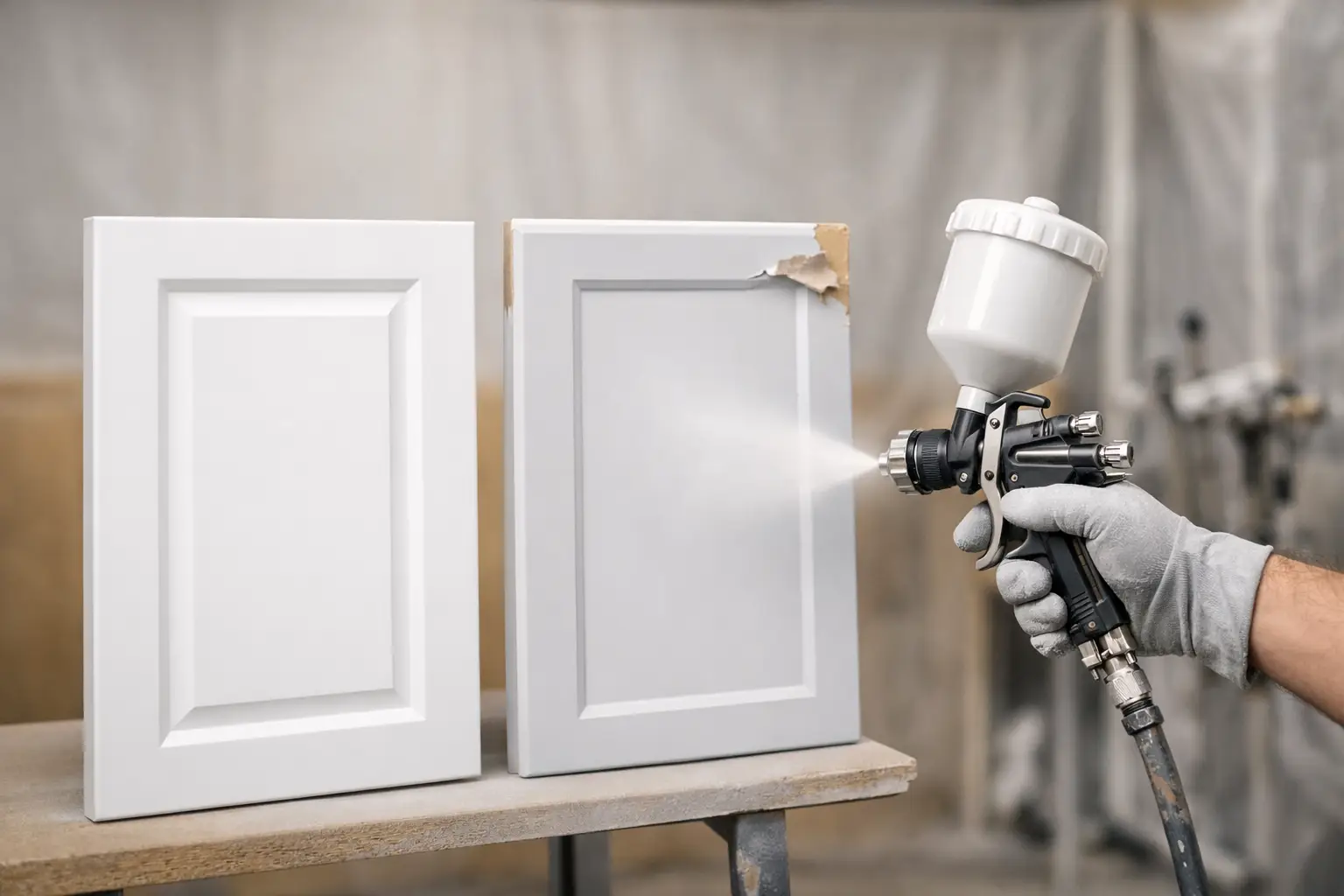
If your kitchen doors are peeling at the edges, showing discolouration near the hob, or simply stuck in a dated cream finish, the same question usually follows: can you respray thermofoil doors?
The honest answer is yes, but not always, and not in every condition. Thermofoil can be resprayed in some cases, but it needs the right preparation, the right products, and a realistic assessment of whether the surface is still sound enough to hold a durable finish. That is where expert advice matters, because with thermofoil, the detail makes all the difference.
Can you respray thermofoil doors successfully?
You can respray thermofoil doors successfully if the vinyl surface is still firmly bonded and the doors are structurally in good condition. If the foil is lifting, bubbling, cracked, or badly heat-damaged, respraying may not be the best long-term solution.
Thermofoil doors are made by heat-bonding a thin vinyl layer over an MDF core. That smooth factory finish is part of what made them so popular in kitchens and wardrobes for years. The challenge is that vinyl is not naturally ideal for paint adhesion. Unlike raw timber or properly primed MDF, it does not readily accept a new coating without specialist preparation.
That is why some homeowners try a quick repaint and find the finish chips, scratches or peels far sooner than expected. The issue is not always the paint itself. More often, it is poor adhesion caused by inadequate cleaning, incorrect sanding, or using products that are not suited to this type of surface.
Why thermofoil is trickier than standard cabinet doors
Standard painted timber or MDF doors are generally more straightforward to refresh. Thermofoil is different because the decorative layer acts almost like a skin. Once that skin begins to fail, the problem is rarely just cosmetic.
Heat and moisture are usually the main culprits. Areas beside ovens, kettles and extractors often show the first signs of lifting. Over time, the adhesive beneath the foil can weaken, especially in older kitchens. If that bond is already compromised, applying paint over the top may only hide the issue temporarily.
This is why a professional inspection is worth having before any work starts. A door can look acceptable from the front but still show subtle edge movement or blistering that affects the final result.
When respraying is a good option
Respraying can be an excellent option when the doors are dated but fundamentally sound. If the thermofoil is intact, smooth and properly attached across the face and edges, a professional respray can transform the look of the kitchen at a fraction of the cost of a full replacement.
For many homeowners in Dublin and the surrounding counties, that balance of value and finish is exactly the appeal. You keep the bones of the kitchen, avoid unnecessary waste, and achieve a cleaner, more modern appearance without the disruption of ripping everything out.
It also makes sense when the layout works well and the cabinetry itself is still solid. In that situation, replacing doors simply because the colour feels tired is often an expensive solution to a cosmetic problem.
When respraying thermofoil doors is not the right fix
There are cases where respraying is possible in theory but not advisable in practice. If the foil is peeling back from multiple edges, if there are soft spots in the MDF, or if heat damage has distorted the surface, the finish is unlikely to remain stable over time.
In those situations, the better option may be to remove failed foil completely and assess the substrate, or in some cases replace the affected doors. A trusted professional should say that plainly rather than promising a result that will not last.
This is one of the trade-offs homeowners should understand. Respraying is affordable and highly effective when the underlying surface is suitable. It is not a miracle cure for doors that are already breaking down.
What professional preparation involves
The success of a thermofoil respray depends heavily on preparation. This is not a case of lightly rubbing the surface and applying a coat of paint from a tin. Professional cabinet spraying involves a controlled process designed to improve adhesion and produce a smooth, durable finish.
First, the doors need a deep clean to remove grease, polish residues and kitchen contaminants. Even a surface that appears clean can carry invisible grime, especially around handles and cooking zones. After that, the surface is abraded carefully to create a key for the new coating.
Then comes the critical stage: using the correct adhesion-promoting primer. Not every primer will bond well to vinyl-coated surfaces. A specialist system is needed to create a stable base for the topcoat. Once primed correctly, the doors can be professionally sprayed for an even finish without brush marks or roller texture.
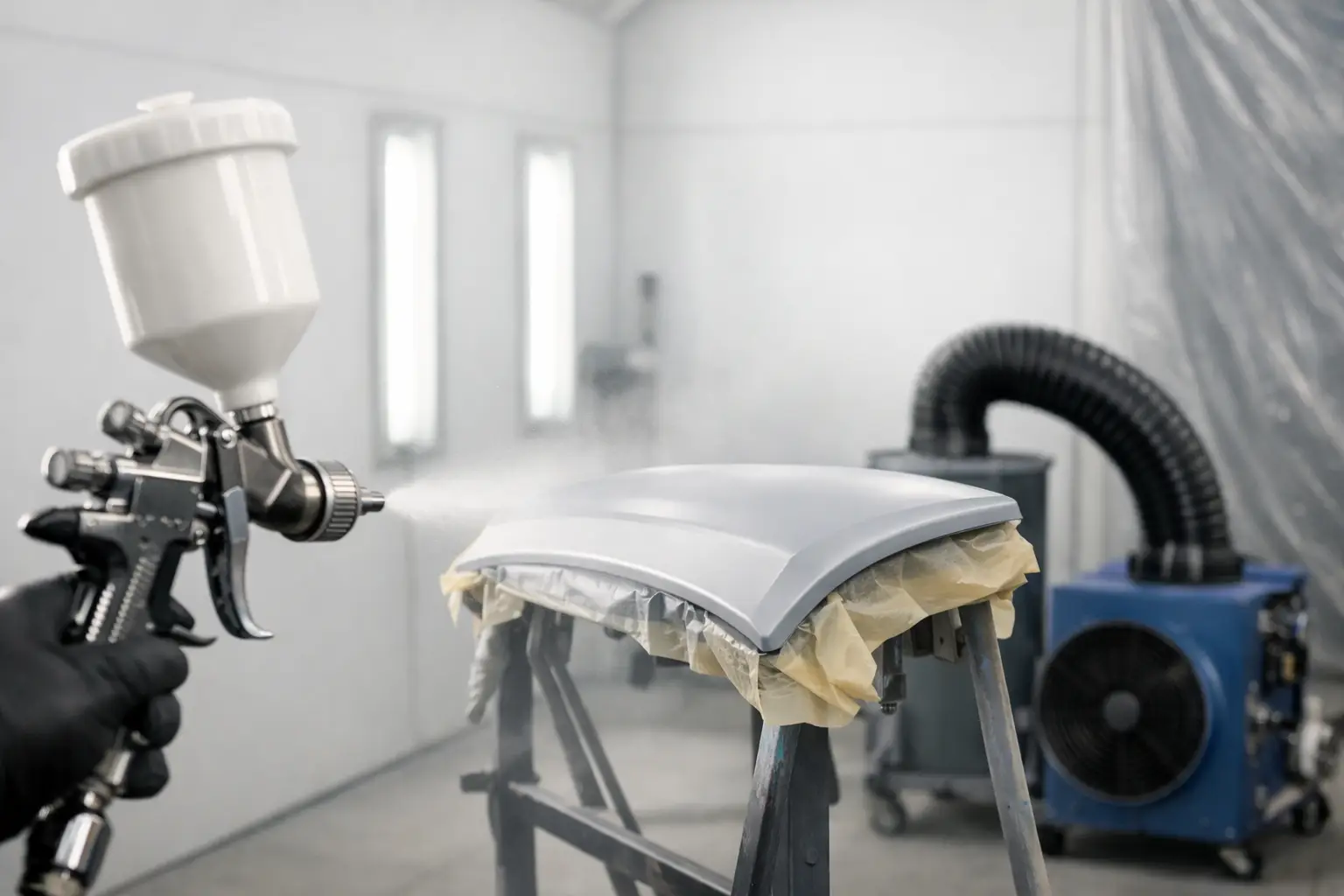
That controlled spray application is what gives resprayed kitchens their refined, factory-like appearance when done properly.
The finish you can expect
A well-executed thermofoil respray can give a kitchen a striking update. Matt white, soft cashmere, deep navy, warm greige and contemporary graphite remain popular choices, depending on the style of the home and the light in the room.
The finish should look smooth, consistent and hard-wearing. It should not look thick, sticky or obviously painted over. That is one of the biggest differences between a specialist respray and a rushed DIY attempt.
Still, it helps to be realistic. A resprayed thermofoil door can look stunning, but longevity depends on the original condition of the door, exposure to heat and moisture, and how the kitchen is used day to day. For busy family homes, proper aftercare also matters.
Is DIY worth trying?
For small furniture projects, many people are happy to experiment. For kitchen thermofoil doors, DIY is often where costs rise and results disappoint. The materials are less forgiving than they appear, and the working environment matters more than most people expect.
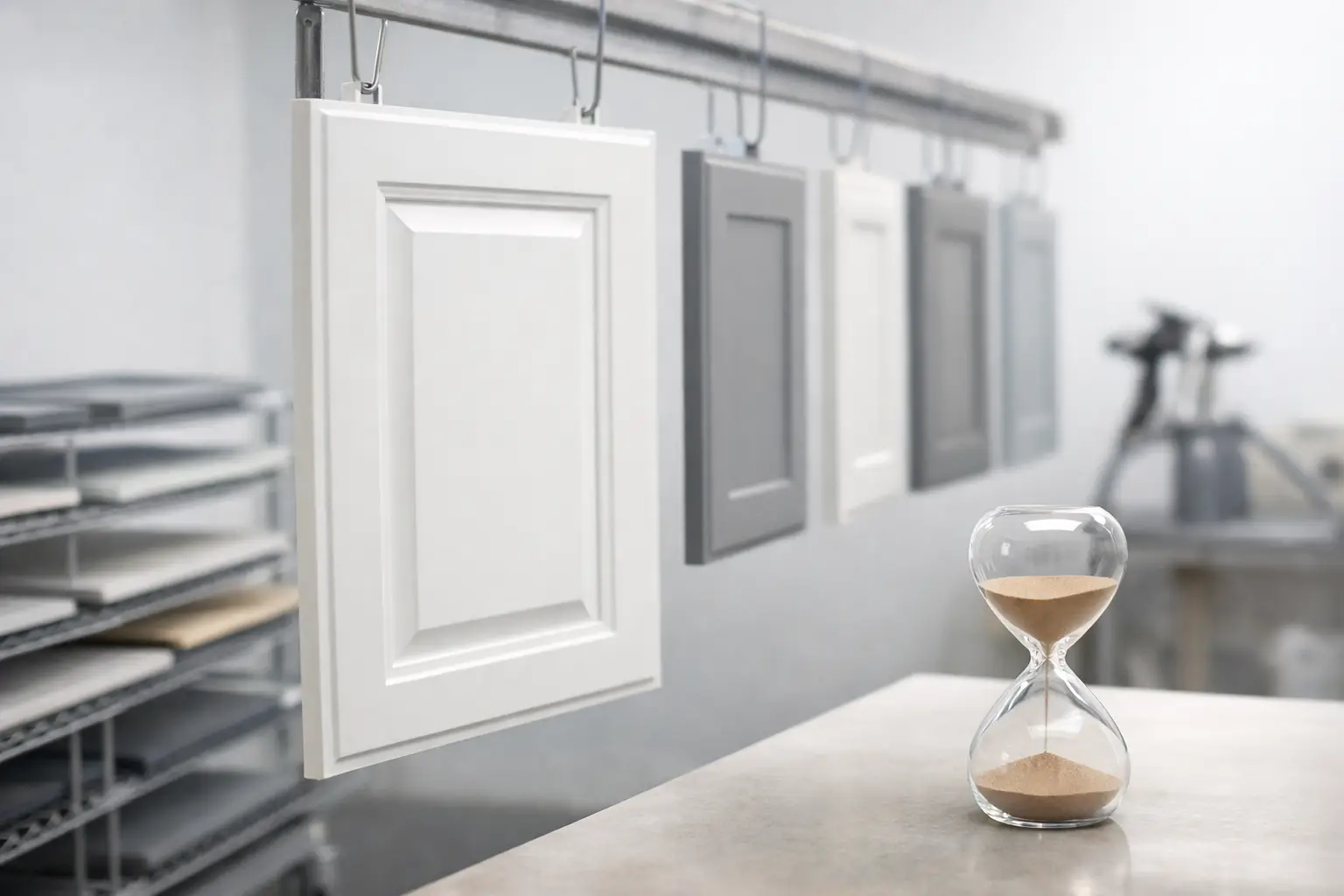
Dust control, spray technique, curing time and product compatibility all affect the final outcome. If one stage goes wrong, the finish may fail quickly around edges, corners and handle areas. By the time you factor in primers, coatings, equipment and time, the saving is not always as significant as it first seems.
For homeowners who want a reliable result and minimal disruption, using a professional service is usually the smarter investment.
A more cost-effective alternative to replacing the kitchen
One of the biggest reasons people ask can you respray thermofoil doors is cost. Full kitchen replacement is expensive, disruptive and often unnecessary when the cabinet structure is still perfectly usable.
A professional respray offers a practical middle ground. It updates the visible finish, refreshes the whole room, and extends the life of the existing kitchen. From an eco-friendly point of view, it also prevents serviceable units from ending up as waste.
That is why respraying continues to appeal to homeowners who want high standards without paying for a full refit. It is a professional, affordable way to modernise a space while keeping what still works.
Getting the right advice before you decide
If you are unsure whether your doors are suitable, the best starting point is a proper assessment. An expert can usually tell quite quickly whether the thermofoil is stable enough for respraying or whether another route would offer better value.
At Dublin Kitchen Respray, this kind of honest guidance is central to the process. There is no benefit in overselling a service where the surface condition will limit the result. The right recommendation should be based on durability, appearance and long-term value for your home.
A kitchen does not need to be brand new to look fresh, current and beautifully finished. But with thermofoil, the answer is rarely a simple yes or no. It depends on what is happening beneath the surface, and that is exactly why expert preparation and clear advice matter so much.
If your doors are sound, a professional respray can be a smart way to give your kitchen a new lease of life without the upheaval of starting again.