Built In Wardrobe Makeover Example That Works

Built In Wardrobe Makeover Example That Works

A dated fitted wardrobe can drag down an otherwise well-kept bedroom. We see it often – solid carcasses, plenty of storage, but yellowing doors, tired handles and a finish that makes the whole room feel older than it is. A good built in wardrobe makeover example shows that you do not always need replacement joinery to get a fresh, high-end result.

For many homeowners, the real question is not whether the wardrobe can look better. It is whether the improvement can be achieved without ripping out fitted units, redecorating the entire room and living through weeks of dust. In most cases, the answer is yes. If the structure is sound, a professional respray and careful cosmetic updates can completely change the look for a fraction of a full refit.

A built in wardrobe makeover example from a typical home

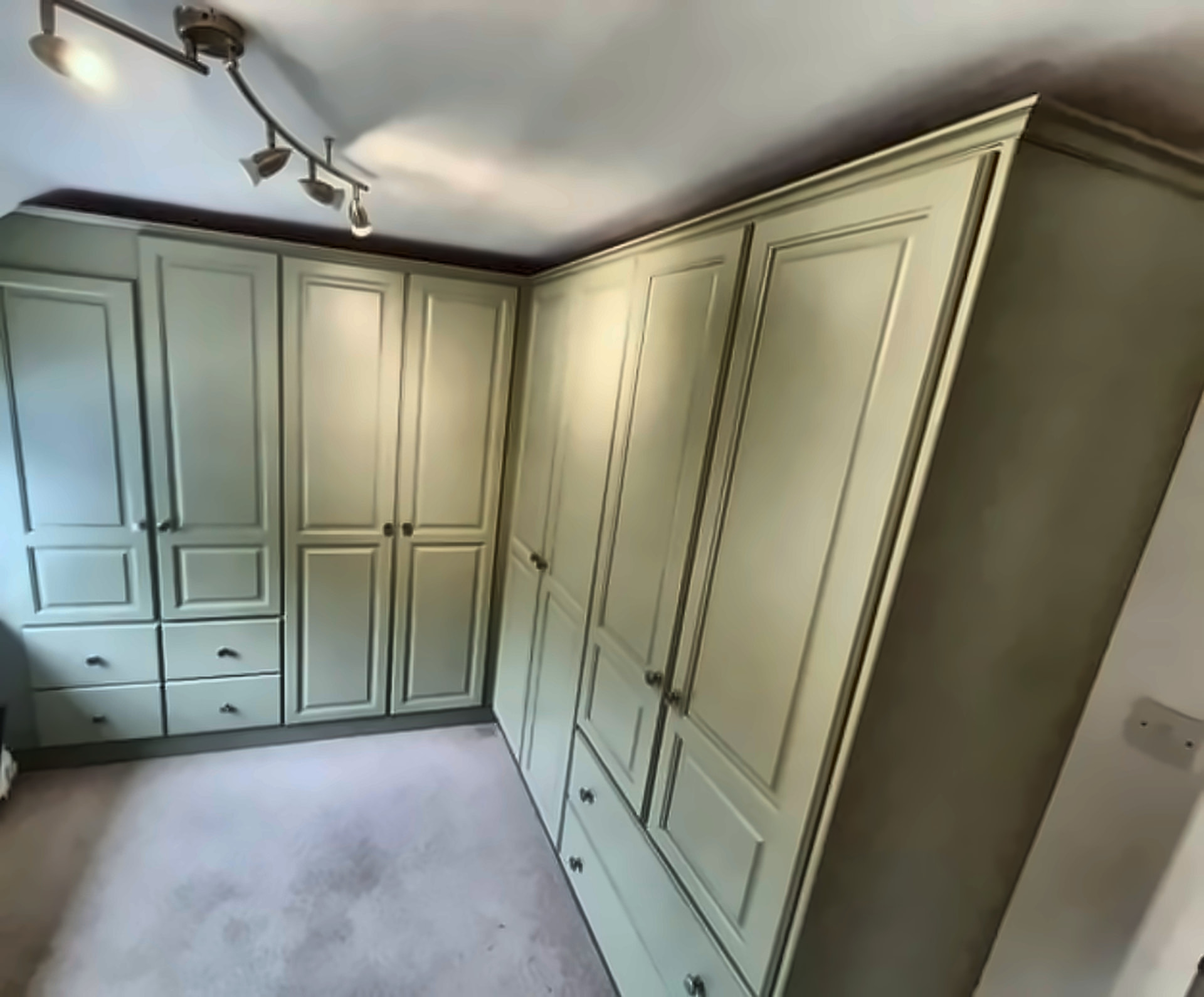
Imagine a main bedroom with wall-to-wall fitted wardrobes installed around fifteen years ago. The interiors are still practical. Shelving works well, drawers run smoothly and the layout suits the household. The problem is appearance. The doors are a dark cherry-effect finish, the sheen has gone patchy around handles, and the colour absorbs light in a room that already faces north.

The homeowners considered replacing everything. Once they priced the joinery, removal, disposal, plaster touch-ups and redecorating, the numbers climbed quickly. They also realised that changing the wardrobes would likely lead to changing skirting, flooring edges and paintwork nearby. What began as a wardrobe project was turning into a full bedroom renovation.

Instead, they chose to keep the existing fitted units and focus on the visible surfaces. The aim was simple – brighten the room, modernise the style and make the wardrobes feel like part of a more current interior.

Why this type of makeover makes sense

A built-in wardrobe is often worth keeping if the bones are good. Most older fitted wardrobes are not failing structurally. They are simply stuck in another decade. That matters, because replacing a serviceable unit is usually the most expensive and disruptive route.

Respraying changes the finish rather than the function. That is exactly what many bedrooms need. It is a practical option for homeowners who want a stunning result without the waste of sending usable cabinetry to landfill. It also suits homes where bespoke wardrobes were made to fit awkward alcoves or sloped ceilings. Rebuilding those details from scratch can add a lot of cost very quickly.

There are trade-offs, of course. If hinges are failing, moisture has caused swelling, or the internal layout no longer works, surface improvement alone may not be enough. But where the main issue is style, a professional finish can deliver the biggest visual difference for the least upheaval.

What changed in this makeover

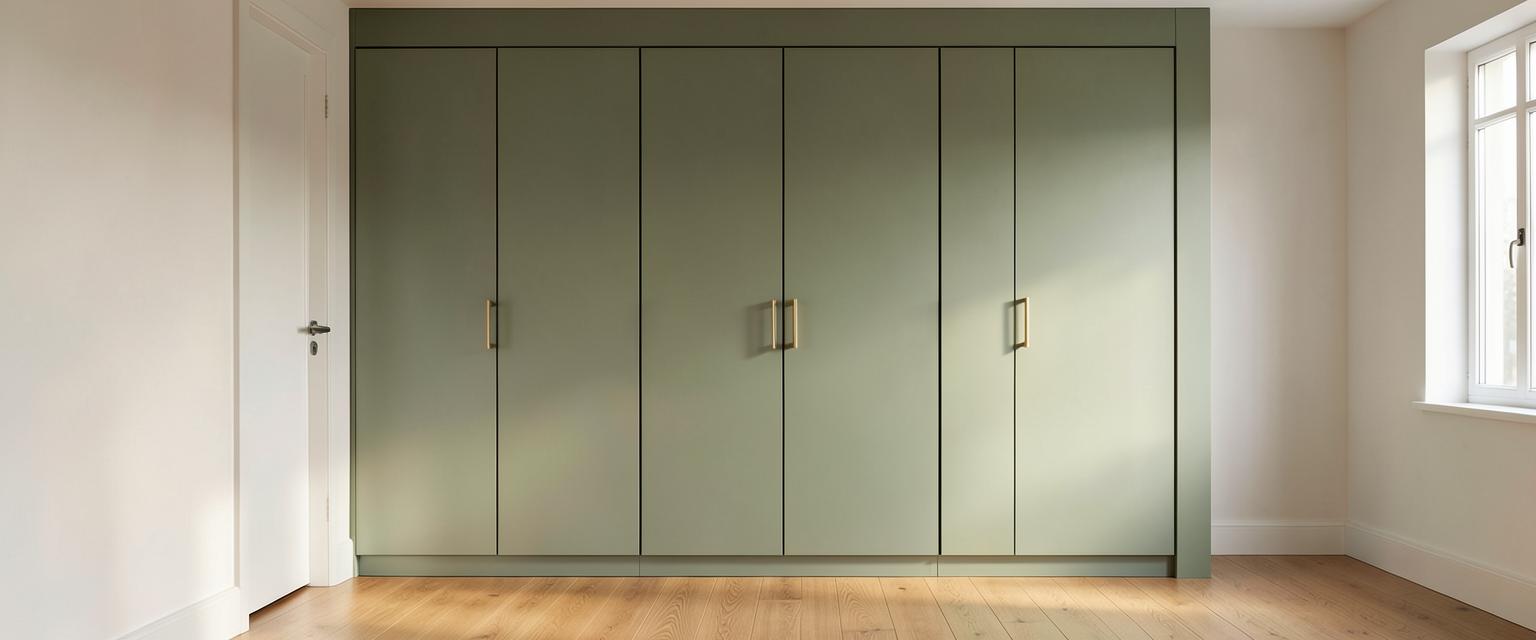
The first decision was colour. Rather than choosing brilliant white, the homeowners went with a soft warm off-white. That kept the room light but avoided the stark look that can sometimes make older fitted furniture feel flat. In bedrooms with softer textiles and timber flooring, slightly warmer tones often sit more naturally.

The second decision was sheen level. A low-sheen sprayed finish gave a modern, refined appearance. High gloss can work in some spaces, but wardrobes usually benefit from a finish that looks smooth and elegant rather than shiny. Low sheen also tends to be more forgiving in daylight.

Handles were replaced with simpler brushed brass pieces. This was a small detail, but it changed the character of the wardrobes straight away. The original ornate handles made the doors look dated. The newer hardware sharpened the lines and gave the whole run of storage a more tailored feel.

A few minor repairs were carried out before spraying. Small chips around the edges of two doors were filled and smoothed. This stage matters more than many people expect. A high-quality final finish depends on proper preparation, not just the topcoat.

The process behind a professional result

This is where many makeovers succeed or fail. A wardrobe respray is not simply a matter of applying paint to doors. Different surfaces need the right preparation, primers and spray products to achieve durable adhesion and an even finish.

In a professional process, doors and drawer fronts are assessed carefully. Surfaces are cleaned to remove polish, oils and residue that would interfere with adhesion. Imperfections are repaired, then surfaces are keyed and primed where necessary. The chosen topcoat is then spray-applied for a smooth, factory-style finish.

The appeal for homeowners is not only the final look. It is the reduced disruption. There is no need to remove the full wardrobe carcass, no skip outside, and no major knock-on work to surrounding finishes. For busy households, that matters nearly as much as the visual upgrade.

Before and after: the real impact

What did the room gain from this built in wardrobe makeover example? First, more light. The new colour reflected daylight back into the bedroom instead of absorbing it. The room looked cleaner, larger and calmer.

Second, the wardrobes stopped dominating the space. Before the makeover, they were the first thing you noticed, and not in a good way. Afterward, they blended into the room with a quieter, more considered presence. That is often the mark of a successful fitted furniture update – it looks better because it feels like it belongs.

Third, the room’s styling options widened. Once the heavy reddish timber effect was gone, the homeowners could introduce softer paint tones, updated bedside tables and new textiles without everything clashing. A wardrobe makeover can have a ripple effect across the whole room, even when nothing else is structurally changed.

When respraying is the right choice

Not every wardrobe needs replacing, and not every wardrobe is a good candidate for respraying. The difference usually comes down to condition and expectations.

Respraying is a strong option when the layout works, the doors are structurally sound and the main issue is an outdated finish. It also makes sense when homeowners want an affordable improvement that feels substantial, not temporary. In areas such as Dublin and the surrounding counties, where many households want to improve the home without taking on a full renovation, this balance of value and quality is especially appealing.

If the wardrobe is damaged by water, badly warped, or designed in a way that no longer suits the room, replacement may be the better long-term choice. An honest assessment is important. A trusted specialist should be clear about what can be achieved and where the limits are.

Design choices that lift the result

Colour gets most of the attention, but it is only one part of the finished look. Hardware, sheen, surrounding wall colour and even lighting all influence whether the wardrobe looks truly updated.

For example, deep colours can work beautifully on built-in wardrobes in larger bedrooms, especially with good natural light. Navy, charcoal or muted green can create a bespoke look. The trade-off is that darker shades show fingerprints more readily and can make smaller rooms feel more enclosed if the rest of the scheme is not balanced carefully.

Lighter tones are usually the safer choice for broad appeal. They brighten the room, work with most interiors and make fitted units feel less bulky. If the goal is a timeless finish that will still feel current in years to come, soft neutrals are hard to fault.

Handles should never be an afterthought. A modern handle can update an older door profile surprisingly well. At the same time, there are cases where keeping existing handles and refinishing around them is the smarter decision, particularly if they suit the style of the house. It depends on whether the makeover aims for a full style shift or a cleaner version of what is already there.

What homeowners should look for in a makeover service

A professional wardrobe makeover should be judged on preparation, finish quality and clarity about the process. Homeowners do not just want a fresh coat. They want confidence that the result will last and that the work will be carried out with care inside the home.

That means asking practical questions. What preparation is included? How are repairs handled? What finish options are available? How durable is the coating for everyday use? A professional company will have clear answers and realistic guidance rather than broad promises.

For households considering this sort of upgrade, Dublin Kitchen Respray has built its reputation on exactly that balance – expert workmanship, cost-effective transformation and a finish that gives existing cabinetry a second life.

The best part of a wardrobe makeover is not that it makes something old look new. It is that it helps the room feel right again, without the cost, mess and waste of starting from scratch.

Leave a Comment

Your email address will not be published. Required fields are marked *

Recent Posts