You know the moment: the kitchen still works, the layout still makes sense, but the doors look tired. Maybe the oak has gone orange, the white has yellowed, or the paint has chips around handles where hands naturally land. A full refit feels like overkill – and if you are in Dublin or the surrounding counties, you have probably seen the price tags.
Kitchen cabinet refinishing sits in the sweet spot between “live with it” and “rip it out”. Done properly, it can make a kitchen look genuinely new without the downtime, waste, or cost of replacing units that are still structurally sound.
The real advantages of kitchen cabinet refinishing
When homeowners ask about the advantages of kitchen cabinet refinishing, they usually want one thing: a kitchen that feels upgraded, without the stress and expense of a full renovation. Refinishing (often achieved through professional respraying) delivers that – but it also brings a few less obvious benefits that matter just as much in day-to-day living.
A big visual change for a fraction of the cost
Replacing cabinets is expensive because you are paying for materials, manufacturing, removal, disposal, and fitting – and that is before you look at worktops, plumbing, or electrics that may be affected along the way. Refinishing keeps the bones of your kitchen and focuses spend where you see it: the doors, drawer fronts, and visible panels.
This is why refinishing is often the most cost-effective way to modernise a kitchen. You are not buying new carcasses; you are investing in a finish that makes existing cabinetry look crisp, current, and intentional.
Much less disruption than a full kitchen refit
A refit can take weeks and may involve multiple trades. That can mean cooking around builders, moving appliances, dust getting into the rest of the house, and that constant sense of being mid-project.
Refinishing is typically faster and cleaner because it does not require ripping out units. Doors can often be removed, prepared, and resprayed with minimal impact on how you use your home. For busy households – especially families – that reduced disruption is not a nice-to-have. It is the difference between “manageable” and “never again”.
Eco-friendly by design: less waste, fewer new materials
One of the most practical advantages is also one of the most responsible. If your cabinets are structurally fine, replacing them creates unnecessary waste: timber products, hinges, fittings, and the packaging that comes with new units.
Refinishing extends the life of what you already have. It is an eco-friendly approach because it reduces landfill waste and lowers demand for new materials. For homeowners who want a better kitchen without the guilt of sending a perfectly good one to the skip, this is a straightforward win.
A durable, wipe-clean finish that suits real kitchens
A kitchen is not a showroom. It is steam, splashes, fingerprints, and the odd bump from a hoover or a schoolbag passing through. The quality of the finish matters.
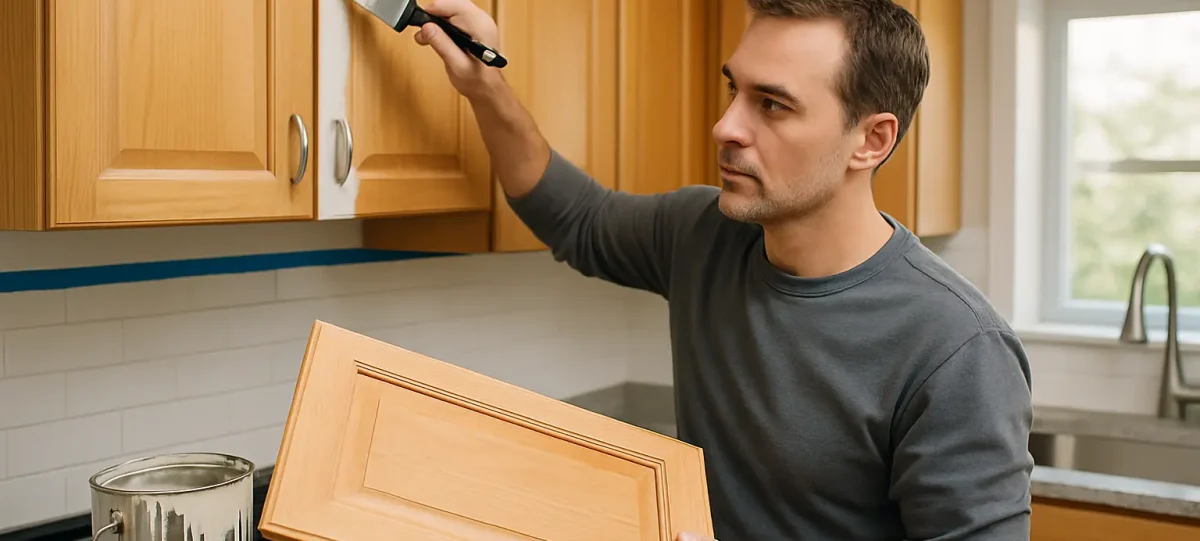
Professional cabinet refinishing is designed to stand up to daily use. A properly prepared and sprayed surface can be smooth, even, and hard-wearing – far more consistent than a quick DIY paint job that may show brush marks or start peeling around edges.
That durability also supports what many homeowners really want: a kitchen that is easy to clean. A cleanable, consistent finish saves time and keeps the space looking fresh for longer.
You can update the style without changing the layout
Most people do not need a new layout – they need a new feel.
Refinishing lets you shift the entire character of your kitchen. A warm cream can brighten a darker space. A modern grey can calm a busy room. A deep navy or green can give a more bespoke look. You can also change the sheen level to suit your taste, from a soft satin to a more contemporary look.
If you like where everything is – sink, cooker, storage – refinishing is a practical way to make the kitchen feel “designed” again without moving services or altering structure.
Better value for money when selling or remortgaging
A full renovation does not always return what it costs, especially if you over-spec for the area or choose a look that is too personal. Refinishing can be a smarter play because it improves first impressions and perceived value without inflating your spend.
For homeowners preparing to sell, a cleaner, more modern kitchen can help viewers see the home as well cared for. For those staying put, it delivers everyday enjoyment now, without the financial leap of a full refit.
It reveals what truly needs attention (and what does not)
Sometimes a kitchen feels worn because of two or three specific issues: doors that look dated, hinges that no longer close properly, or a few swollen panels near the sink. Refinishing focuses attention on the condition of what you have.
That clarity helps you make sensible decisions. You may find that the carcasses are in excellent shape and only the fronts need work, plus a few hinge adjustments. Or you may discover that a small number of items should be replaced while everything else can be refinished. Either way, you avoid unnecessary spending and end up with a more targeted upgrade.
When refinishing is a great fit – and when it is not
Refinishing is not magic. It works best when the existing cabinets are solid and the main issue is appearance.
If your cabinet boxes are stable, the doors are not warped, and the kitchen functions well, refinishing is typically an excellent choice. It is also ideal if you want to change colour, modernise the finish, or cover wear and tear from years of use.
However, if the cabinets are structurally failing, have significant water damage that has softened the core, or the layout is fundamentally wrong for your household, a broader renovation may make more sense. It depends on your goals: if you need more storage, a different workflow, or major building work, refinishing may be only one part of the solution.
A trusted professional should be willing to say when refinishing will not deliver the result you expect. That honesty protects your budget and the final look.
What “professional refinishing” really involves
Homeowners sometimes think refinishing is simply painting the doors. The difference between an ok result and a stunning, like-new result is preparation and process.
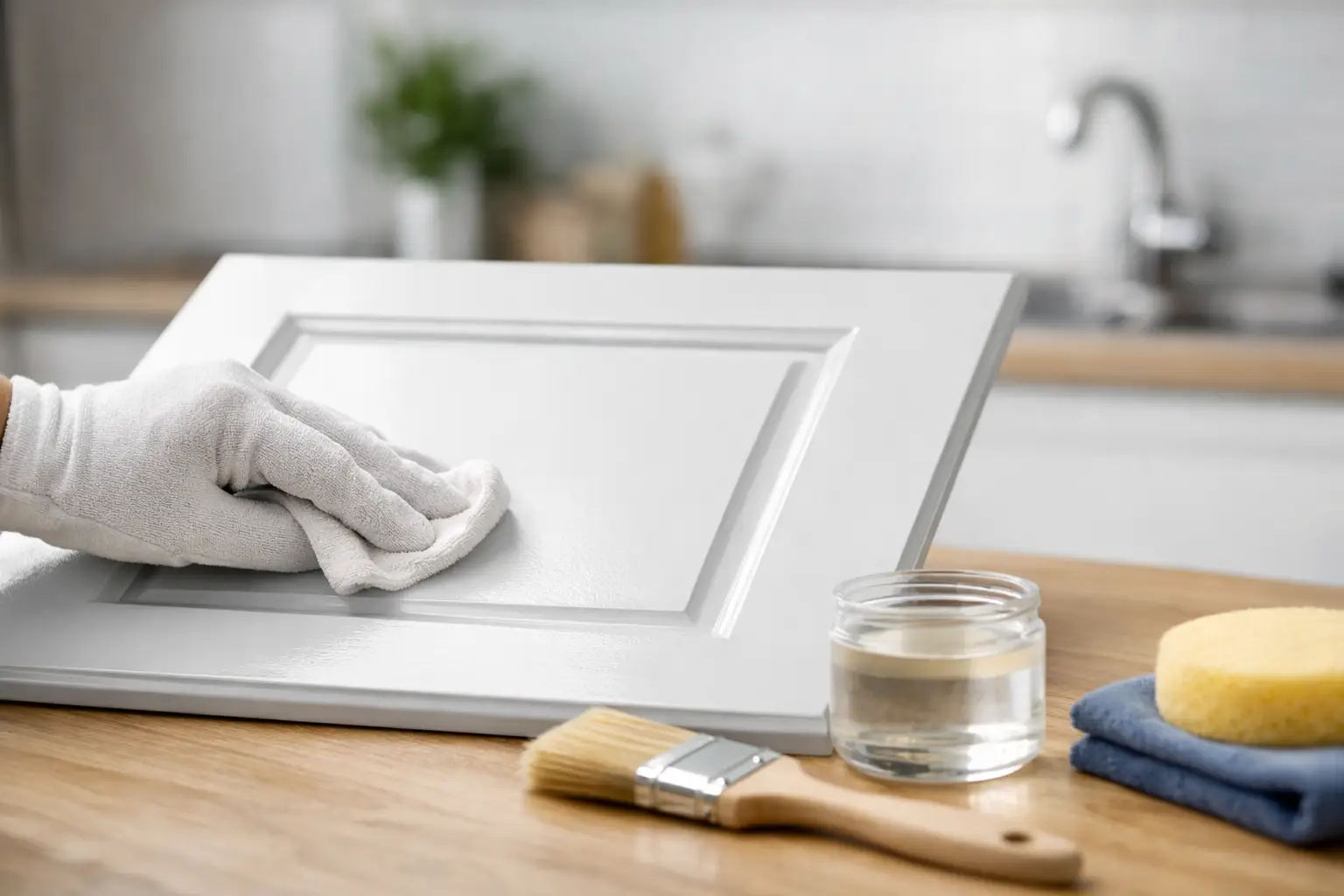
A professional approach typically includes careful removal of doors and hardware, thorough cleaning and degreasing, sanding or abrasion to create a strong key, and repairing minor dents or chips so they do not telegraph through the final coat. Masking and protection matter too – you want crisp edges and a tidy workspace.
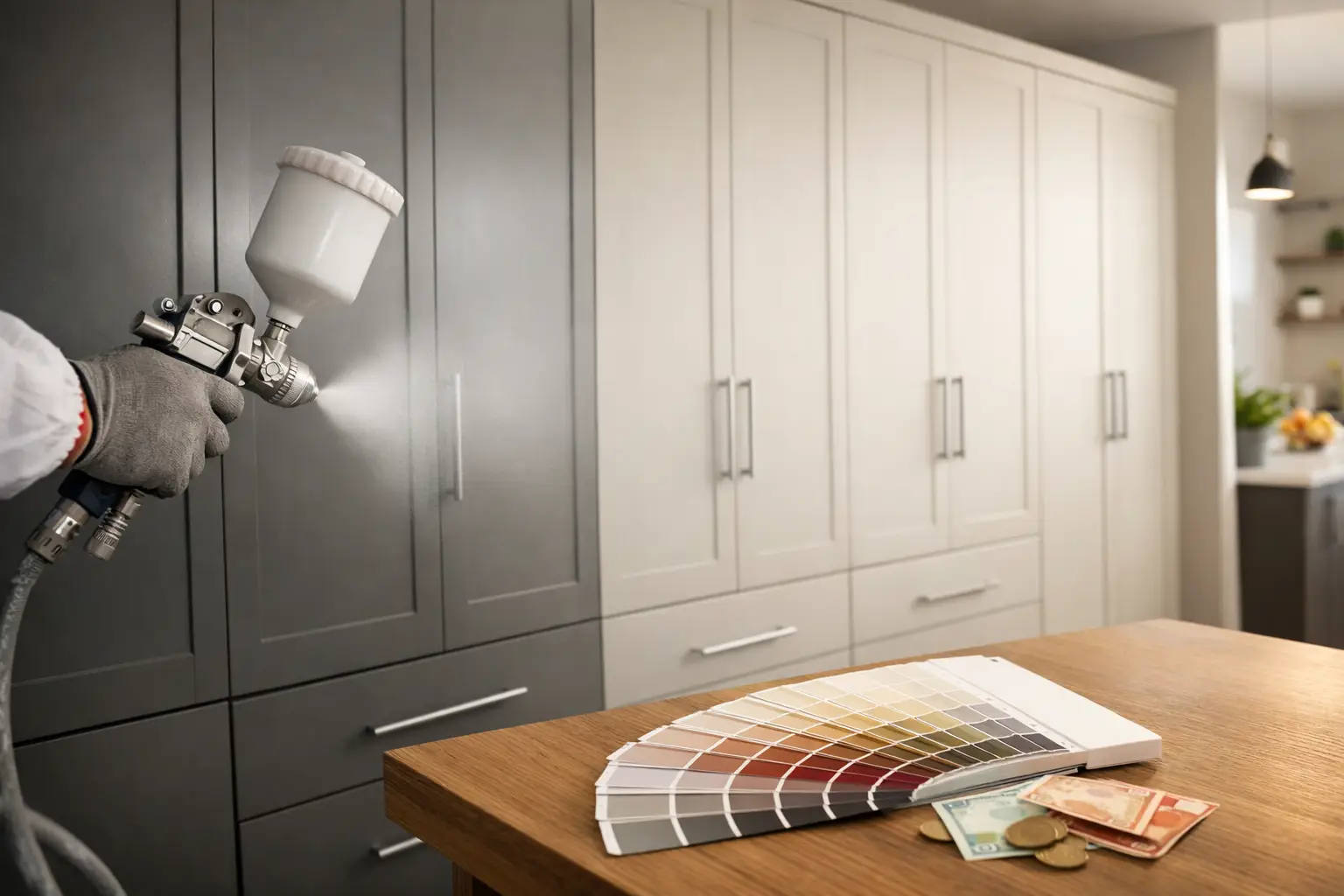
The spraying stage is where you see the transformation, but it only performs well if the groundwork is meticulous. That is also why “quick fixes” can disappoint: without proper prep, even an attractive colour will struggle to last.
If you are comparing options locally, look for a provider that explains their process clearly, uses professional spray equipment, and has a track record of durable finishes. For homeowners in Dublin and surrounding counties, Dublin Kitchen Respray has specialised in expert kitchen respraying since 1999, with an approach built around high-quality finishes, efficiency, and minimal disruption.
Extra upgrades that pair well with refinishing
Refinishing is most effective when it is treated as part of a small, coordinated refresh rather than a single isolated change.
New handles can completely change the style and are often the most affordable “design” decision you can make. Soft-close hinges can improve the feel of the kitchen instantly, especially if the doors have started to sag or slam. Lighting is another subtle multiplier – brighter, warmer under-cabinet lighting can make newly refinished doors and worktops look more premium.
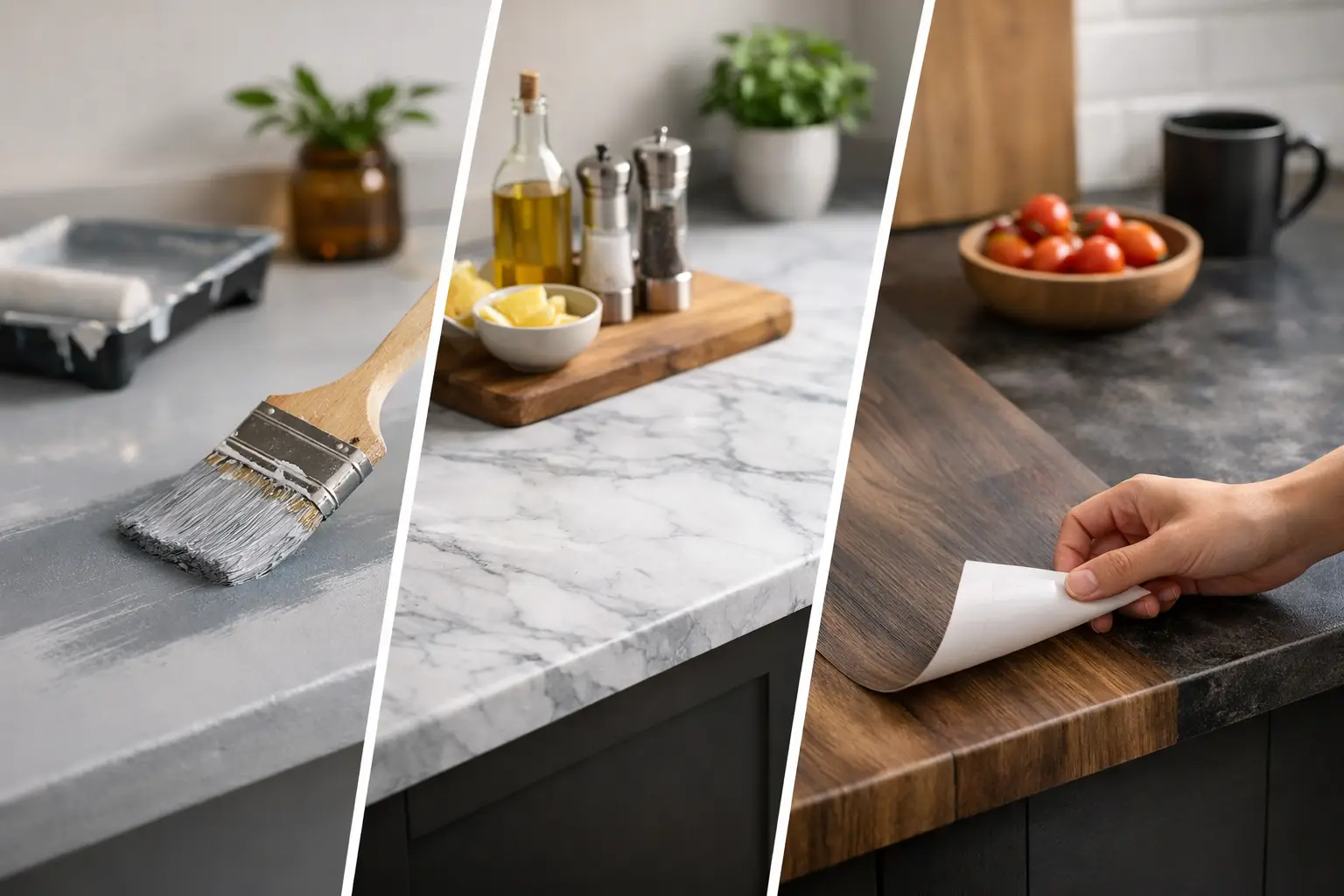
If worktops are worn but you do not want the mess and cost of replacement, some households explore specialist coatings and spray finishes designed for surfaces. The key is to choose upgrades that complement the new cabinet colour and suit how you actually use the kitchen.
Common concerns homeowners have (and the honest answers)
One concern is whether the finish will chip. Any surface can chip if it takes a hard knock, but a professional sprayed finish that has been properly prepared and cured is designed to be durable in everyday use. Treat it like a quality fitted kitchen, not delicate furniture.
Another is whether you can change colour dramatically, such as from dark to light. In many cases you can, but the best approach depends on the existing finish, the material of the doors, and the level of preparation required. A professional will advise on what is realistic and what will look flawless.
Finally, people worry about being without a kitchen. Refinishing is usually chosen precisely because it reduces downtime, but timelines depend on the scope: number of doors, condition, any repairs, and whether you are also updating other elements. Clear scheduling upfront makes the whole experience calmer.
A well-used kitchen does not need to be replaced to feel new. If you like your layout and your cabinets are still doing their job, refinishing is a sensible, affordable way to bring back pride in the space – and the next time you walk in, it feels like your kitchen again.