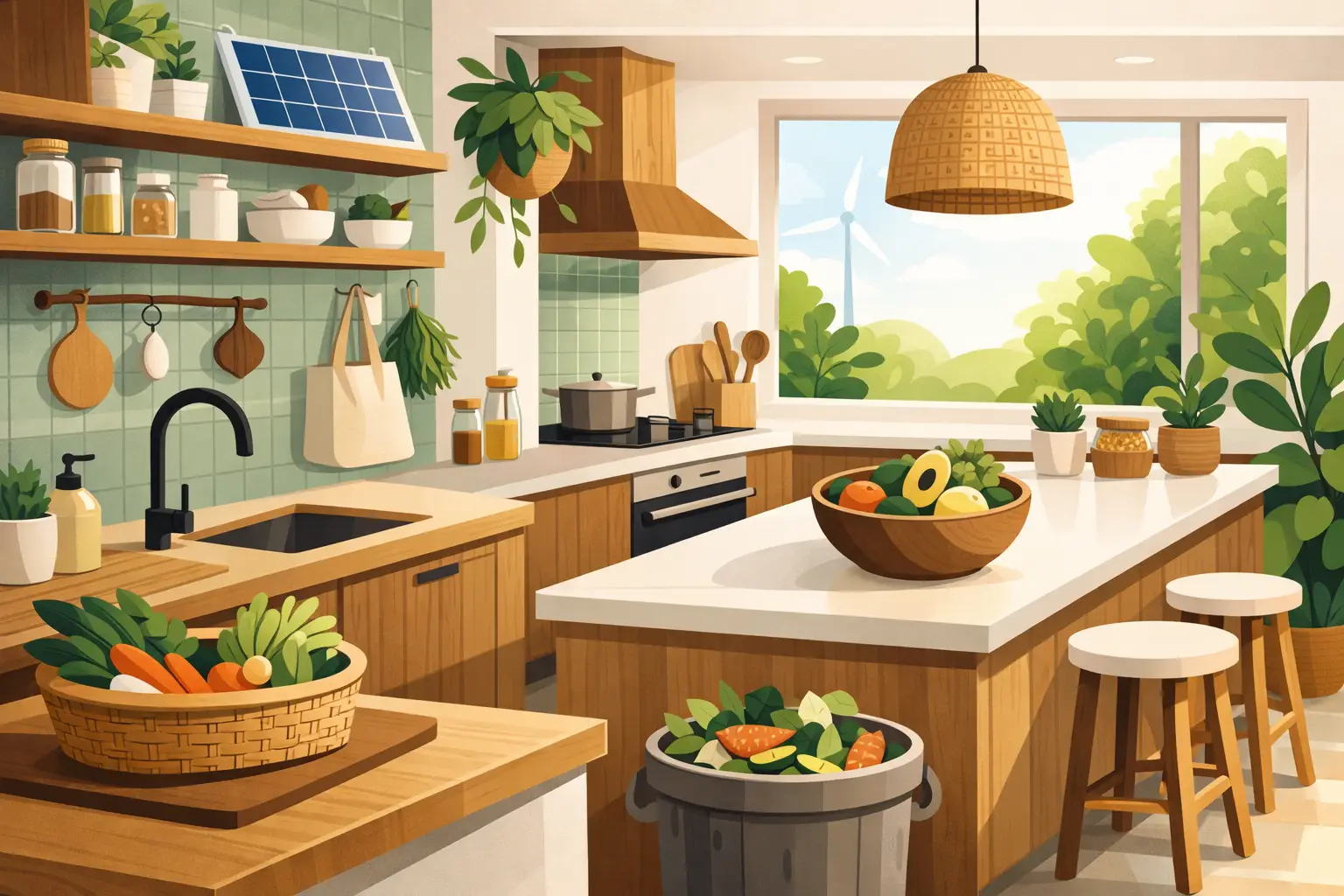
A kitchen can look dated long before it stops being useful. If the cabinet boxes are sound, the doors still close properly and the layout works for everyday family life, replacing everything can create unnecessary expense, disruption and waste. The best eco-friendly kitchen makeover ideas start by looking closely at what is already worth keeping.
For many homeowners, a thoughtful surface transformation delivers the most visible change with a far lighter environmental footprint than a full strip-out. It also leaves more of the budget available for details that make a kitchen easier and more enjoyable to use.
Eco-friendly Kitchen Makeover Ideas That Begin With What You Have
1. Respray sound cabinet doors and units
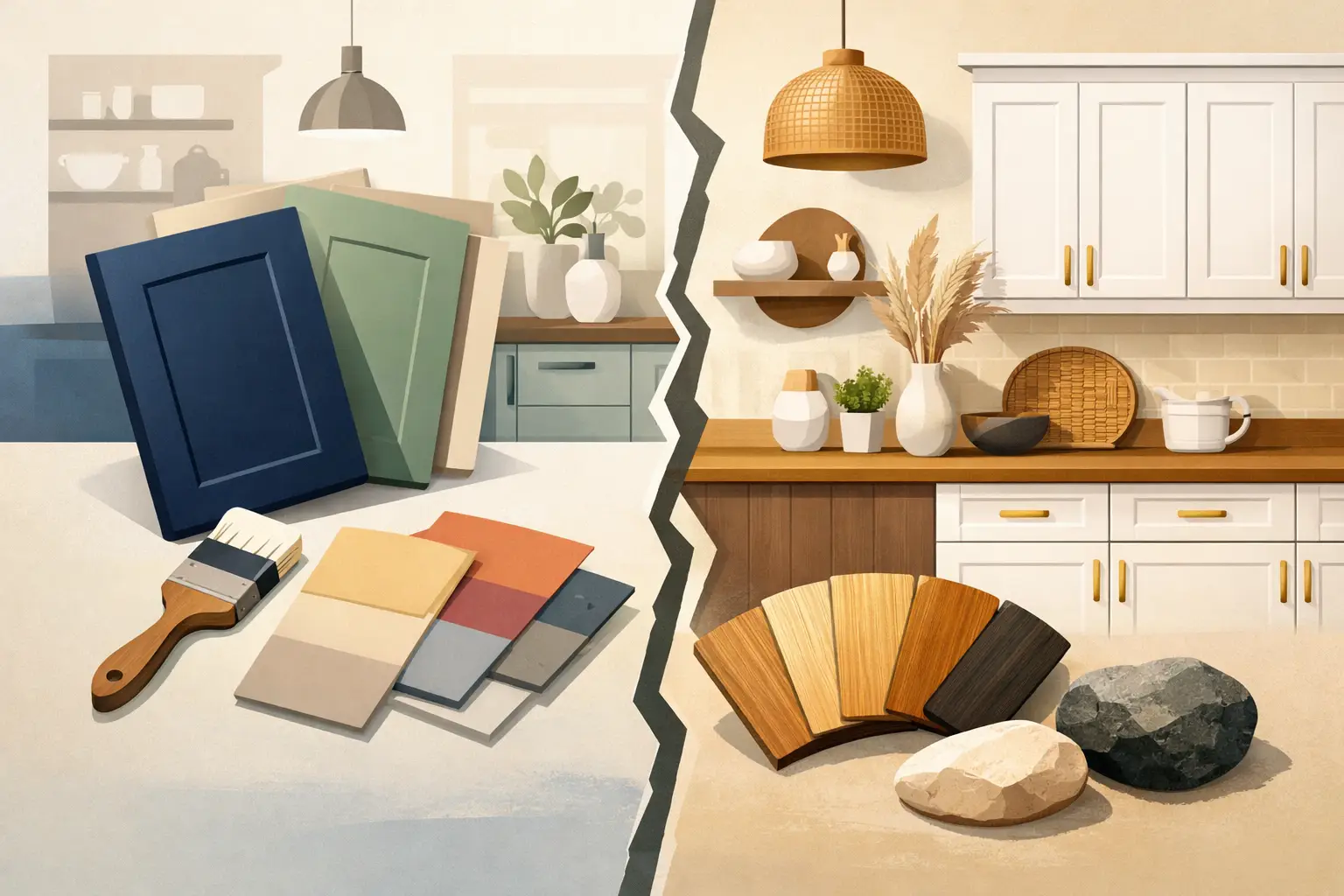
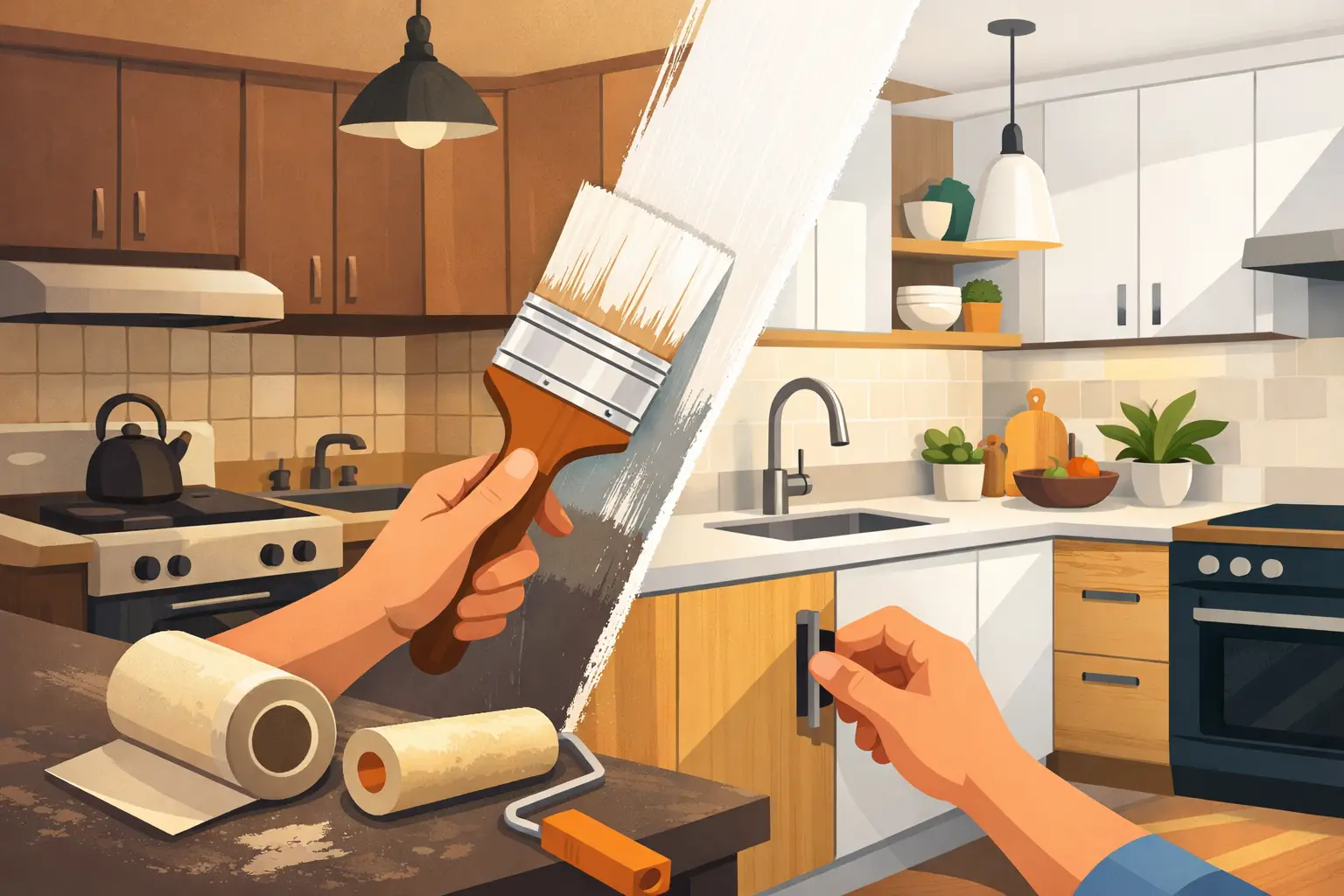
Cabinetry is usually the largest visual element in a kitchen, so changing its finish can alter the whole room. Professional cabinet respraying gives existing doors, drawer fronts and end panels a smooth, durable new colour without sending usable materials to landfill.
A soft warm white can brighten a compact kitchen, while sage, deep blue, charcoal or a muted greige can give a larger space more character. The right preparation matters as much as the colour. Doors should be cleaned, repaired, sanded and primed where required before a professional spray finish is applied. This creates a far more refined result than painting over grease, chips or old varnish.
Respraying is most suitable when cabinet carcasses are stable and free from serious moisture damage. If units are swollen around the sink, badly warped or structurally weak, selective replacement may be the more sensible long-term choice.
2. Update worktops instead of replacing them
Worktops often make a kitchen feel older than it is. Replacing them can mean removing splashbacks, disconnecting appliances and disposing of large sections of material that may still be perfectly serviceable.
A spray granite finish can refresh existing worktops with a hard-wearing stone-style appearance. It can also be used on tiles, splashbacks and other suitable surfaces, helping to create a more coordinated look without the demolition associated with a conventional renovation. The result can be particularly effective where a worktop is sound but the colour or pattern no longer suits the room.
As with any surface solution, suitability depends on the existing material and its condition. Deep cracks, loose laminate or extensive water damage should be assessed before any finish is chosen. A trusted professional will explain what can be restored and what needs repair first.
3. Repair small damage before it becomes replacement
Loose hinges, chipped corners, peeling edges and worn drawer runners can make a kitchen look beyond saving when the problems are often localised. Repairing these details extends the life of the units and improves daily use at the same time.
Before planning colours or handles, make a practical list of what needs attention. Tighten hinges, replace failing runners, fill minor dents and address leaks beneath the sink. A makeover that ignores water ingress or poor ventilation may look good initially but will not offer lasting value.
4. Choose handles with care
New handles are a modest update, yet they can give resprayed cabinets a completely different personality. Brushed brass works well with warm neutral tones, black metal suits contemporary darker schemes, and simple stainless-steel options offer a clean, practical finish.
The lower-waste choice is not automatically buying new. If existing handles are good quality but tired, consider cleaning, polishing or refinishing them. When replacing hardware, select durable pieces with standard fixings so they can be repaired or reused rather than discarded after a short trend cycle.
Make the Kitchen Work Better, Not Just Look New
5. Improve lighting with efficient layers
A single central ceiling fitting can make even a freshly updated kitchen feel flat. Energy-efficient LED lighting uses less electricity and lasts longer than traditional bulbs, while improving the way the room functions.
Combine general lighting with focused task lighting under wall cabinets or above preparation areas. Warm white light usually gives cabinets and worktops a more welcoming appearance than very cool lighting. If you are changing the kitchen colour, test a sample under the lighting you actually use in the evening, not only in daylight.
6. Refresh tiles and splashbacks without a full rip-out
Old tiles can be difficult and messy to remove, particularly when they are firmly bonded and the surrounding walls are in good condition. Rather than automatically replacing them, consider whether they can be professionally refinished to complement the new cabinets and worktop.
A refreshed splashback can reduce visual clutter and make a smaller kitchen feel calmer. Light tones help bounce light around the room, while a darker finish can add contrast behind pale cabinetry. The key is choosing a finish designed for the location and maintaining it according to professional guidance, especially near hobs and sinks.
7. Keep the layout where it earns its keep
Moving plumbing, gas lines and electrical points is one of the most costly and disruptive parts of a kitchen renovation. It also tends to increase material use. If the sink, cooker and storage areas already work well, retaining the layout is an efficient decision, not a compromise.
Instead, improve the flow inside the existing footprint. Add drawer organisers, pull-out bins or practical shelf storage where appropriate. A well-organised kitchen reduces duplicate purchases, makes food easier to see and can help cut avoidable food waste.
8. Select new materials for longevity
Not every kitchen element can be saved, and there is no benefit in retaining something that is unsafe or failing. When replacement is necessary, favour materials that are durable, repairable and suited to the demands of the room.
For example, a sturdy tap with readily available replacement parts may be a better environmental choice over time than a cheaper model that must be replaced entirely after a few years. The same principle applies to hinges, bin systems, flooring and appliances. Ask about expected lifespan, maintenance requirements and whether parts can be sourced later.
Reduce Waste During the Makeover
9. Plan disposal before work begins
A greener kitchen project is not only about the final finish. It also concerns what happens to packaging, old fittings and materials removed during the work. Separate metal handles, timber, cardboard and electrical items where local recycling options allow. If you are replacing an appliance, arrange responsible collection rather than leaving it with general waste.
For homeowners in Dublin and the surrounding counties, planning the project carefully can also reduce the number of deliveries and trades required. A resurfacing-focused makeover is often quicker than a full renovation, with less mess to manage in a busy household.
10. Avoid short-lived trends
The most sustainable colour is often one you will still like in five or ten years. That does not mean every kitchen must be white or beige. It means selecting a scheme that suits your home, natural light and taste rather than copying a look that may quickly feel dated.
A useful approach is to keep larger surfaces relatively timeless and bring personality through paintable walls, lighting, stools, textiles and accessories. Cabinet respraying offers flexibility here too. It allows homeowners to update colour without replacing the underlying units when tastes change later.
A Professional Finish Makes Reuse More Viable
There is a clear difference between simply covering an old surface and properly restoring it. Careful preparation, clean masking, controlled spraying and suitable coatings all affect how a finish looks and performs over time. A poorly prepared DIY job may chip or peel quickly, leading to more materials and work later.
For kitchens with sound cabinetry, a specialist service such as Dublin Kitchen Respray can provide a practical route to a stunning, affordable transformation. The value lies in preserving the useful structure of the kitchen while giving the visible surfaces the attention they deserve.
Before committing to any makeover, assess the condition of the cabinets, worktops and tiles honestly. Keep what is solid, repair what is minor, and replace only what has genuinely reached the end of its life. That is how a kitchen can feel completely renewed while making a lighter demand on your budget and the environment.