A tired kitchen rarely needs ripping out. In many homes, the cabinets are still structurally sound – they just look dated, worn, or heavier than the rest of the space. If you are wondering how to modernise kitchen cabinets, the good news is that the biggest change often comes from improving what you already have rather than starting again.
That matters for more than budget. A full renovation brings noise, trades, delays, and a fair bit of waste. By contrast, updating existing cabinets can deliver a stunning result far more quickly, with less disruption and a much more affordable price tag. The key is knowing which changes genuinely lift the kitchen and which ones only add cost without improving the finish.
What makes kitchen cabinets look dated?
Before deciding how to update them, it helps to look at what is making them feel old-fashioned. In most kitchens, it is not one dramatic flaw. It is a combination of details that date the room all at once.
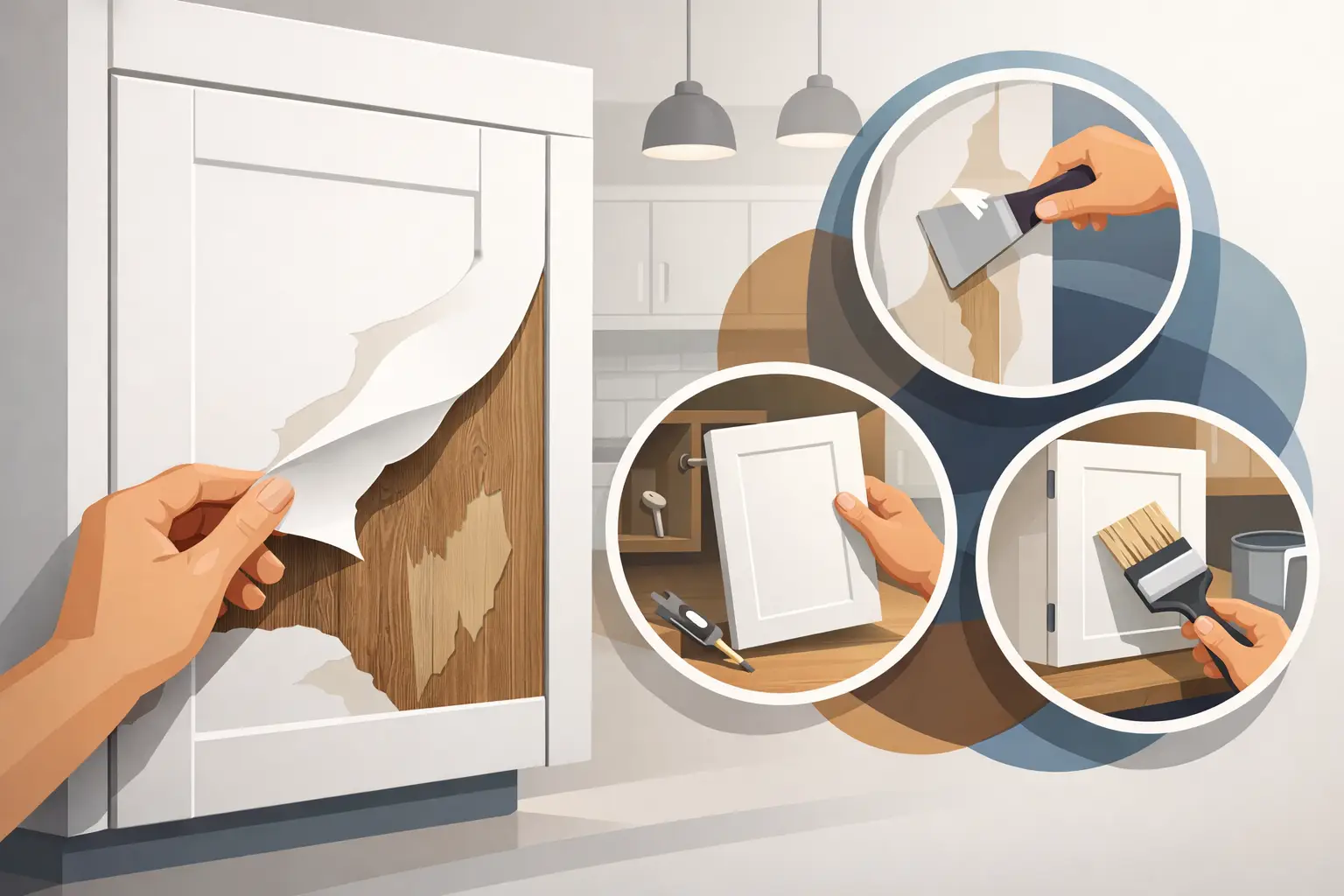
Heavy wood tones, yellowing cream finishes, glossy laminate from an earlier era, ornate door profiles, worn edges, and outdated handles can all make a kitchen feel stuck in the past. Sometimes the cabinet colour is the main issue. In other cases, the shape of the doors or the overall visual weight of the cabinetry is what drags the room down.
Lighting plays a part as well. A kitchen with dark cabinets, old handles and poor overhead lighting will naturally feel smaller and older, even if the layout works perfectly well. That is why a professional update should always look at the whole visual effect, not just the cabinet fronts in isolation.
How to modernise kitchen cabinets without replacing them
If the cabinet units are in good condition, replacement is often unnecessary. This is where homeowners can make practical, high-value decisions. Modernising cabinets is usually about finish, colour, hardware and detail rather than complete reconstruction.
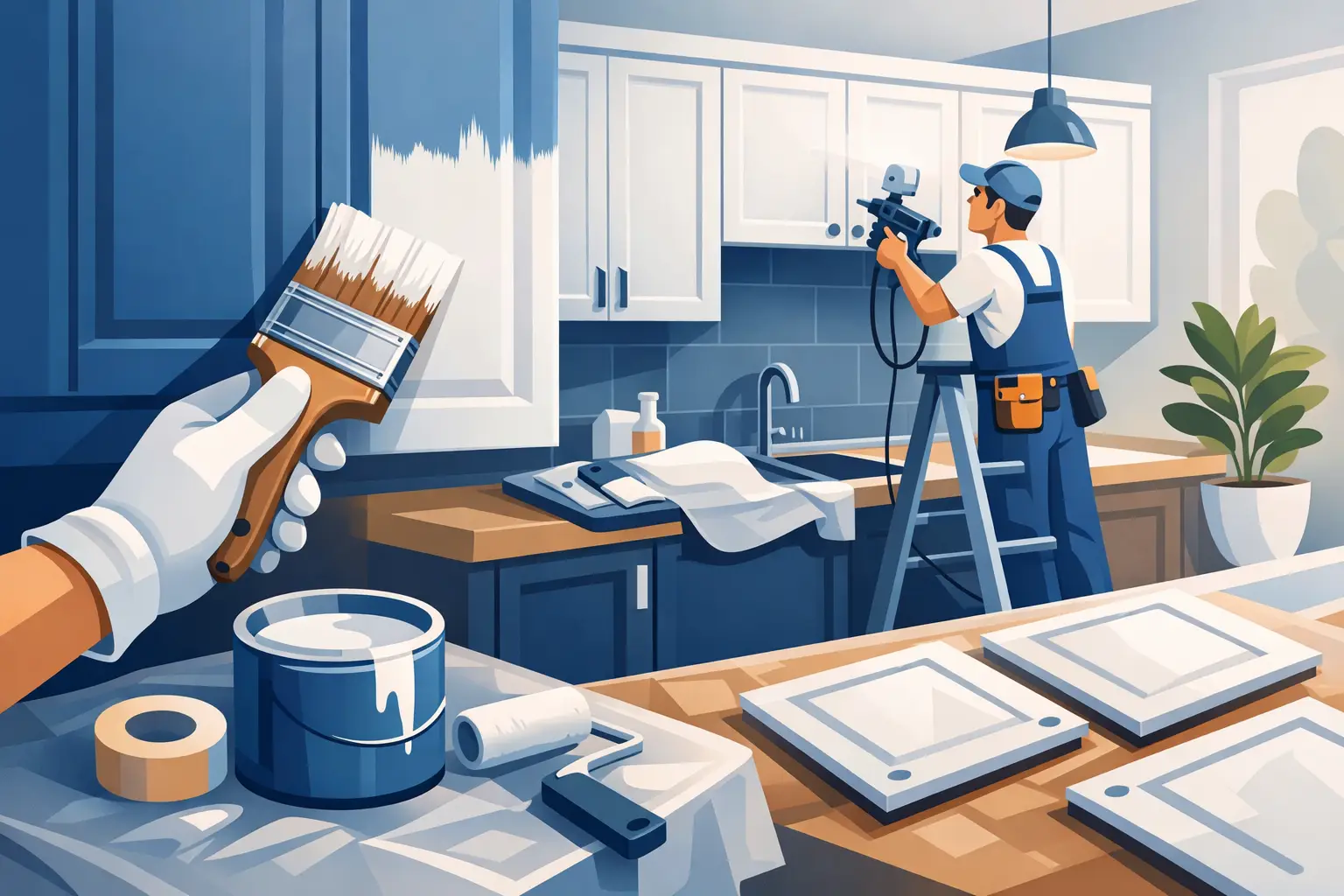
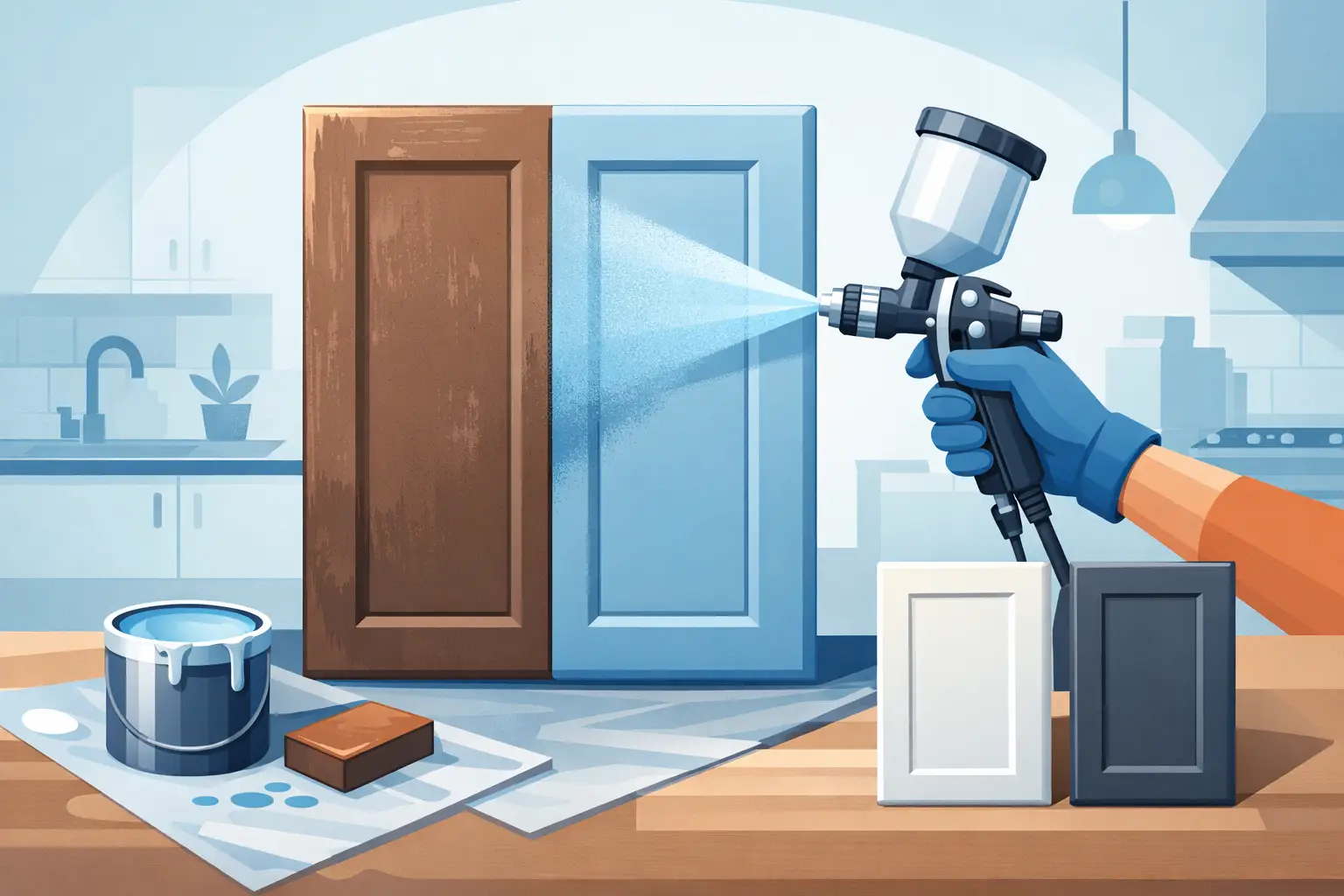
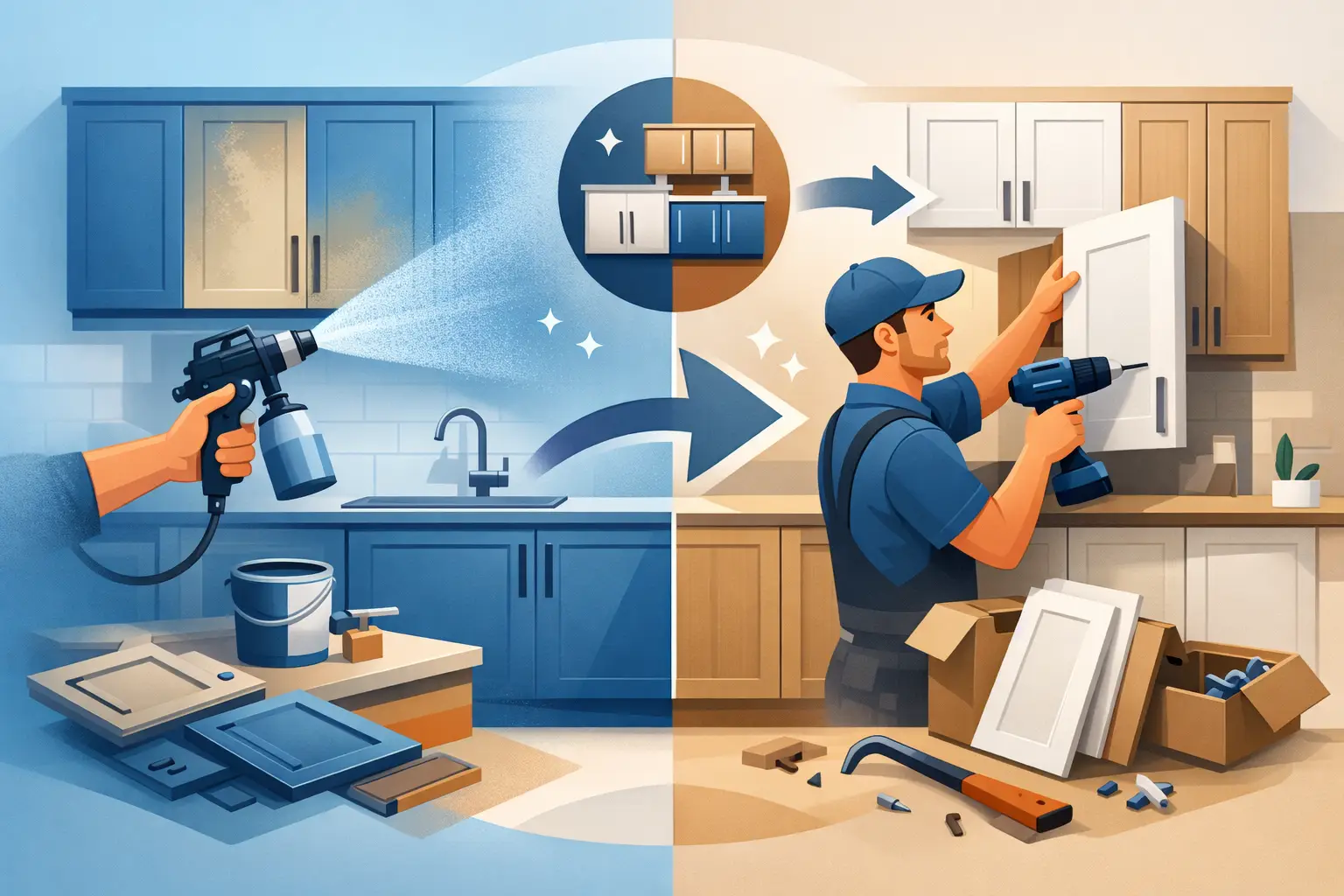
Cabinet respraying is one of the most effective ways to achieve a like-new look. A professional spray finish gives a smooth, durable surface that is difficult to replicate with a brush or roller. It can completely change the character of the kitchen, especially when moving from dated woodgrain or tired gloss to a more current painted finish.
New handles also make a noticeable difference. Slim bar handles, understated knobs, or handleless-style replacements can sharpen the look of older doors very quickly. This is a relatively small change, but it works best when the new hardware suits the door style. Ultra-modern handles on a heavily traditional door can look mismatched, so proportion matters.
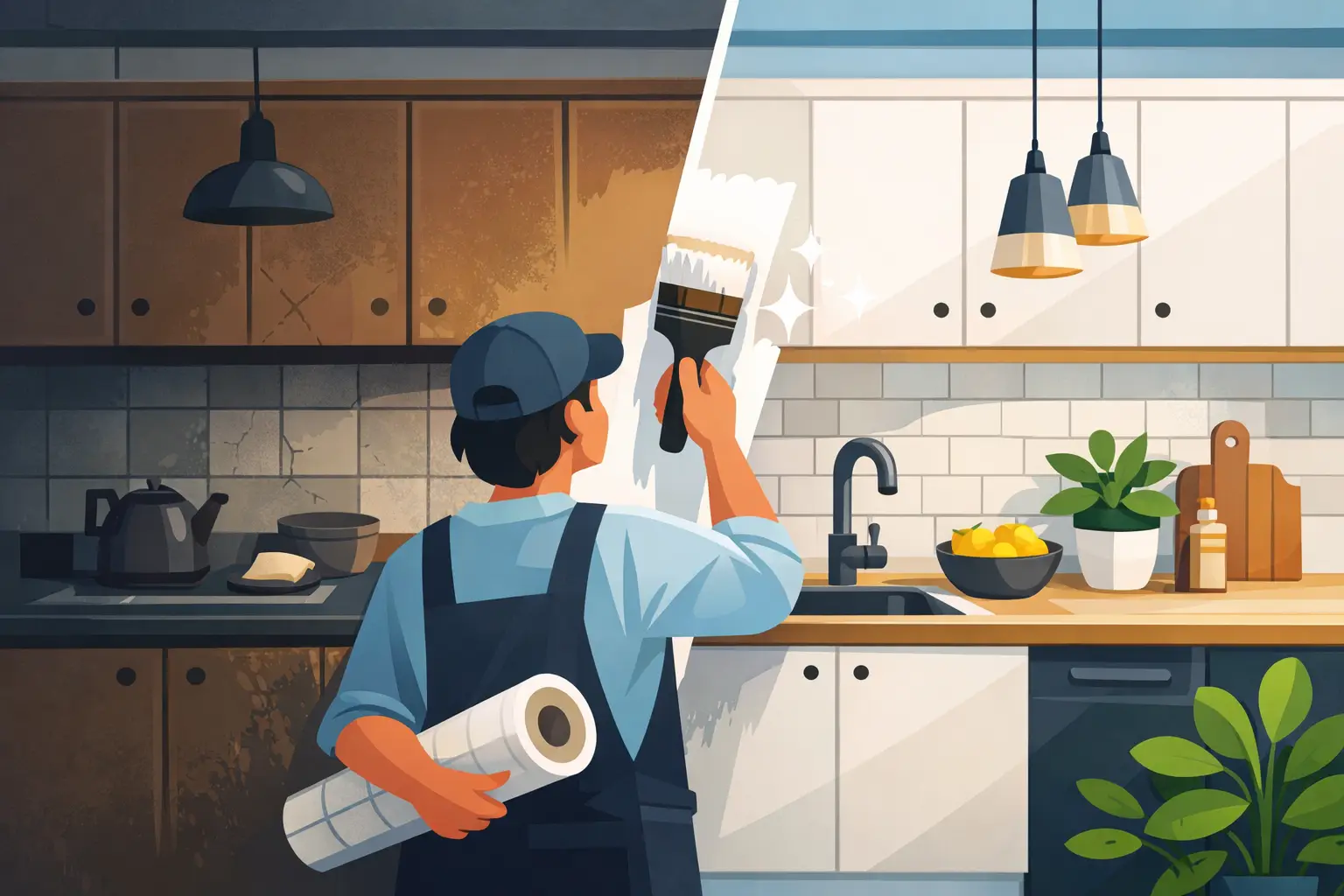
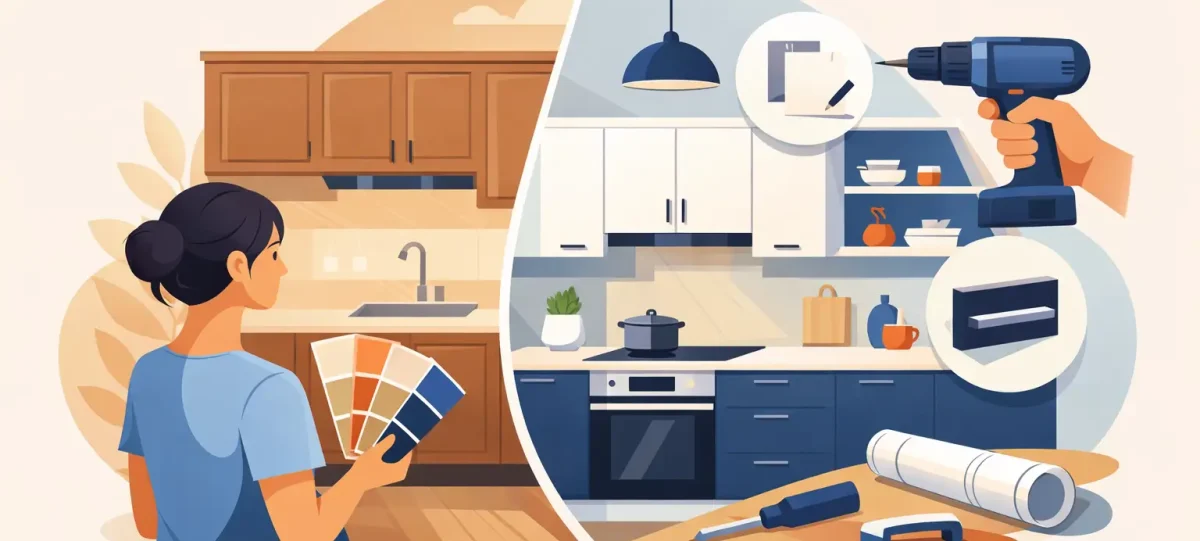
Sometimes the best result comes from combining several modest changes. Resprayed cabinets, updated handles, improved lighting and a cleaner splashback can transform the room without the upheaval of a full refit.
Choosing the right colour to modernise cabinets
Colour has the biggest visual impact, so it deserves careful thought. If you want to know how to modernise kitchen cabinets in a way that still looks good in five years, avoid chasing every short-lived trend.
Soft whites, warm neutrals, greige tones, muted greens, deep navy and charcoal all remain strong choices because they work with a wide range of flooring, worktops and wall colours. The right shade depends on the size of the room, the amount of natural light, and the atmosphere you want.
Lighter colours usually suit smaller kitchens because they make the space feel brighter and more open. Darker colours can look striking and expensive, but they need enough light and often work best when balanced with pale worktops or walls. A rich tone on lower cabinets paired with lighter upper cabinets can be a smart compromise.
It is also worth thinking about undertones. A grey with a blue cast will feel different from a warmer taupe-grey, particularly under Irish daylight. What looks elegant in a sample can feel cold once spread across the whole kitchen. This is where expert guidance is valuable, because colour selection is not just about preference – it is about how the finish behaves in the real room.
Respraying versus repainting by hand
Homeowners often compare these options, especially when budget is front of mind. Both can change the look of the kitchen, but they do not produce the same standard of finish.
Hand painting may appear cheaper at first, but brush marks, inconsistent coverage and weaker durability can become obvious surprisingly quickly, especially around handles, corners and high-use areas. Kitchens work hard every day. Steam, grease, cleaning products and repeated contact all test the finish.
Professional respraying creates a far smoother appearance and a tougher coating when carried out correctly. It is particularly effective for achieving a modern factory-style finish on existing cabinet doors. For homeowners who want an affordable alternative to replacement but still expect a professional result, respraying often makes the most sense.
There is also the question of disruption. A well-managed spray project is typically faster and tidier than many people expect. That appeals to busy households who want a fresh kitchen without weeks of upheaval.
When door style matters more than colour
Not every kitchen can be made to look truly modern with paint alone. If the cabinet doors are very ornate, heavily routed or visibly damaged, the final look may still lean traditional even after respraying.
That does not mean the kitchen cannot be improved. It simply means the target should be realistic. In some cases, a refreshed classic style is the right result rather than a sharp contemporary one. In others, replacing only the doors while keeping the cabinet carcasses can be the better investment.
This is one of those areas where honesty matters. A trusted professional should tell you when respraying is the ideal solution and when a partial replacement would achieve a stronger finish. The goal is not to sell the biggest job. It is to create the best result for the kitchen you have.
The details that make cabinets feel current
Modern kitchens tend to look cleaner, calmer and more intentional. That effect often comes from restraint rather than expensive features.
Simpler hardware helps. So does reducing visual clutter on worktops and around cabinet edges. If the end panels, plinths and cornices look bulky or dated, refining those details can make a kitchen feel more up to date. Even aligning colours better across cabinets, walls and worktops can sharpen the whole room.
Worktops deserve attention too. Cabinets do not sit on their own. If the doors are beautifully updated but the worktop remains badly worn or dated, the transformation can feel incomplete. In some kitchens, resurfacing or refinishing the worktop alongside the cabinets creates a more convincing result than spending more on cabinets alone.
Lighting under cabinets, warmer ceiling lighting and brighter task areas also help modern finishes come into their own. A freshly resprayed kitchen can look flat under poor lighting and stunning under the right one.
Is modernising kitchen cabinets worth it?
For many homeowners, yes – provided the cabinet structure is sound. The value is not only financial, although avoiding a full kitchen replacement can save a significant amount. It is also about reducing hassle and getting a result that feels proportionate to the problem.
If your layout works, your storage is adequate and the cabinet units are solid, replacing everything can be unnecessary. Modernising what is already there is often the more sensible route. It is eco-friendly, cost-effective and far less disruptive.
That is especially relevant for households who want their kitchen to feel fresh and high-end without turning the house upside down. In areas such as Dublin, Wicklow and Kildare, where homeowners are often balancing property value with practical spending, upgrading existing cabinetry can be a very smart decision.
How to know if your cabinets are good candidates
The best candidates for modernisation are cabinets with solid carcasses, functioning hinges and doors that are in generally good condition. Minor wear is normal and usually manageable. Surface damage, faded finishes and dated colours are exactly the kind of issues a professional update is designed to solve.
If there is major swelling from moisture, severe structural damage or poor original installation, a more extensive solution may be needed. That is why an honest assessment at the start is so important. A professional company such as Dublin Kitchen Respray will look at the practical condition as well as the cosmetic potential.
A good transformation should not just photograph well on day one. It should stand up to daily life and still look right in the context of your home.
The smartest way to modernise kitchen cabinets is to focus on changes that genuinely improve the space: a durable finish, the right colour, better hardware and careful attention to the details people notice every day. When those elements come together, an old kitchen does not just look newer – it feels easier to live with.