You can usually tell when a kitchen has been sprayed properly from one small detail: the edges. A painted door can look decent from a few steps back, but run your eye along the profile, the corners, and where the hinge sits. If the finish is flat, even, and consistent there, you’re looking at professional work. If it’s rough, heavy, or patchy, the rest of the job rarely improves.
For homeowners weighing up a refresh versus a full renovation, professional kitchen sprayers in Dublin have become the practical middle ground—especially when the layout works, the units are sound, and it’s the dated colour or worn finish that’s letting the room down. The difference between “a quick paint job” and a long-lasting respray comes down to process, products, and preparation.
Why a professional spray finish looks different
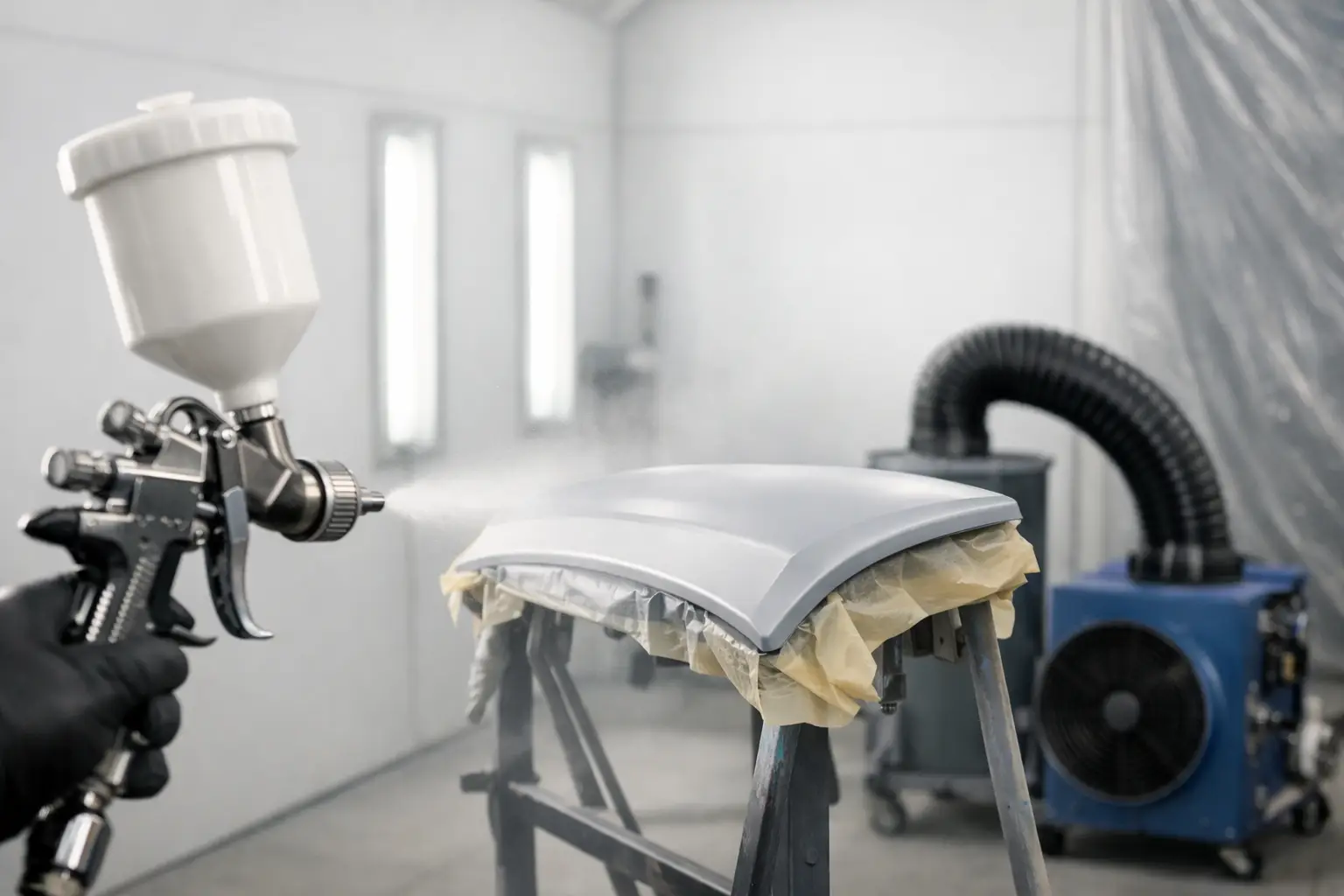
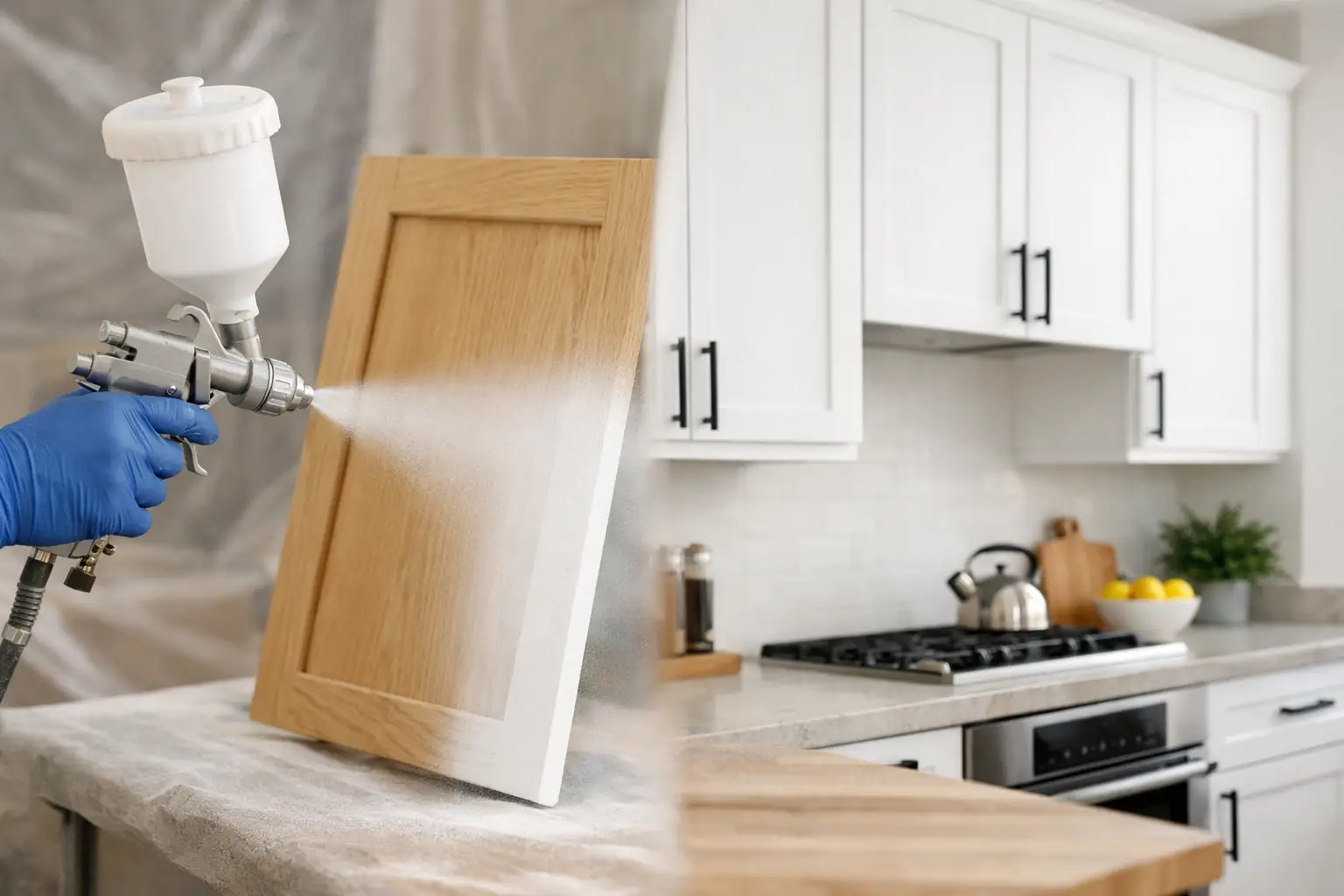
Spraying isn’t just a faster way of applying paint. Done correctly, it creates a smoother, more consistent coating than brushes or rollers can achieve on cabinet doors, end panels, and frames. That’s why resprayed kitchens often look like brand-new factory finishes rather than “painted over”.
But it depends on the full system: cleaning, sanding, priming, topcoats, curing, and how the space is protected. Professional sprayers also control the environment—dust, airflow, masking, and moisture—because these are the things that ruin an otherwise good product.
There’s also a nuance many people don’t realise until they’ve lived with the result: a kitchen is a high-contact area. Doors are opened with damp hands, oils and steam circulate, and cupboards are wiped down repeatedly. A finish that looks lovely on day one but hasn’t bonded properly will start to chip around handles and edges.
Professional kitchen sprayers in Dublin: what you’re really paying for
Pricing often gets compared to “just painting the doors”, but professional spraying covers far more than colour. You’re paying for a controlled, repeatable method that’s designed for durability.
Preparation is the main cost driver because it’s the main quality driver. Grease and polish residues (including silicone from cleaning products) can block adhesion. If you don’t remove them thoroughly, paint can fisheye, peel, or flake.
Then there’s the coating system. Kitchen-specific primers and topcoats are designed to resist wear, moisture, and staining, and to cure into a harder film. Cheaper paints can feel dry quickly but remain soft underneath, which makes them vulnerable for weeks.
Finally, you’re paying for the skill of application. A professional can spray to an even thickness without runs, dry spray, orange peel texture, or heavy build-up around grooves. That’s not just aesthetic—it affects how the doors feel, how they close, and how well the finish stands up over time.
The process you should expect (and why each step matters)
A trustworthy sprayer will be happy to explain their steps clearly. While every kitchen differs, a professional workflow tends to look like this.
First comes assessment. Not all doors are suitable for respraying without extra work. Thermofoil and some wrapped finishes, for example, may need specialist preparation and honest discussion about long-term performance. Solid timber, MDF, and most painted surfaces can be excellent candidates.
Next is careful removal and protection. Doors, drawers, and hardware are typically removed, labelled, and prepped away from the main living area where possible. On-site work can be done, but proper masking and dust control are essential—spraying in a busy home without adequate protection is where overspray and gritty finishes happen.
Cleaning and degreasing follow, and this is non-negotiable. Kitchens collect invisible contamination: cooking oils, aerosols, and cleaning residues. A proper degrease, rinse, and dry stage prevents adhesion issues that can appear months later.
Then comes sanding (or mechanical abrasion) to create a key. This is where trade-offs come in: sanding more aggressively can improve adhesion, but on certain profiles it must be done carefully to avoid rounding sharp edges or damaging detail.
Priming, filling, and minor repairs may be needed. If you want a truly “like-new” look, it’s worth asking whether small chips, dents, and worn corners will be repaired before topcoating.
Finally, topcoats are sprayed in controlled passes to build an even film. The finish can be matt, satin, or gloss depending on your taste and how forgiving you want the surface to be. Lower sheens can hide small imperfections, while higher gloss can look striking but shows fingerprints and surface texture more readily.
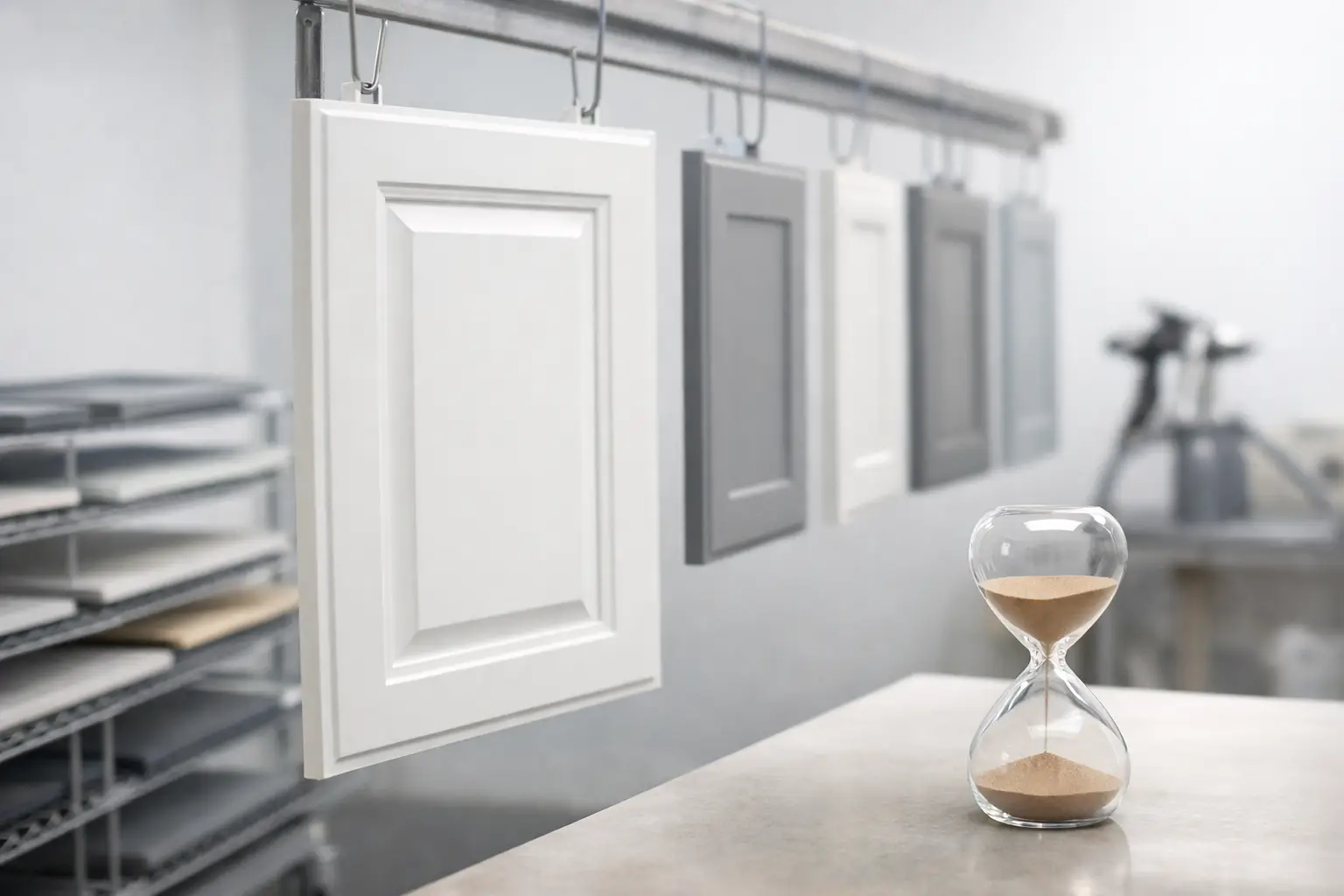
Curing is the last stage people underestimate. A door can be touch-dry quickly yet still be soft. A professional will advise on gentle use for a period so the coating can harden properly.
Choosing a finish: colour, sheen, and the “kitchen reality check”
Colour choice is personal, but some options are simply easier to live with. In family homes, very dark matt finishes can show grease marks and lighter scuffs. Bright whites can look stunning and clean, but if your kitchen gets heavy use, consider a tone that’s still fresh but slightly warmer.
Satin is often a practical sweet spot: it reflects light nicely and wipes clean without looking overly shiny. Matt can be beautiful in modern homes, but it can mark more easily depending on the paint system used. Gloss is durable and wipeable, but it highlights surface defects and can feel dated in certain styles.
A good sprayer will talk you through these trade-offs rather than pushing a single “best” option for every kitchen.
Questions to ask before you book
A professional will answer these without hesitation, and the way they answer often tells you more than the words themselves.
Ask what products they use and why. You don’t need brand names to judge competence—you’re listening for whether they understand adhesion, durability, and curing, rather than simply “this is what we always use”.
Ask how they handle contamination and grease. If they gloss over degreasing, that’s a red flag.
Ask how they protect your home. Overspray and dust control should be explained clearly, including how floors, appliances, and adjacent rooms are sealed off.
Ask about repairs and expectations. Will existing wear be filled? Will wood grain show through? Do you want a perfectly smooth, contemporary look, or a finish that still shows the character of timber? There’s no right answer, but it should be agreed upfront.
Ask about timescales and downtime. A respray is typically far less disruptive than replacing units, but you still need a realistic plan for cooking and access.
Cost, disruption, and why respraying is often the smarter renovation
For many Dublin homeowners, the real decision is not “spray or not”; it’s “replace or refresh”. If the cabinet boxes are solid and the layout works, replacement can be an expensive way to solve a cosmetic problem.
Professional spraying tends to be quicker, more affordable, and far less disruptive than a full rip-out. It also keeps materials out of landfill, which matters if you’re trying to reduce waste without compromising on results.
That said, it’s not always the right option. If your cabinets are water-damaged, warped, or structurally failing, a respray can only do so much. A trusted professional will tell you when you’re better off fixing underlying issues first.
Beyond doors: what else can be sprayed?
Most people start with doors and drawer fronts, but a coherent finish usually involves the surrounding pieces too: end panels, kickboards, cornices, light pelmets, and sometimes open shelving.
Worktops are a separate conversation. If your counters are dated but structurally fine, specialist coatings can create a modern stone-like appearance at a fraction of replacement costs. The key is matching expectations: these finishes are designed to be durable, but they still require sensible care—use chopping boards, wipe spills promptly, and treat hot pans with caution.
If you want both cabinetry and worktops refreshed as one coordinated project, it’s worth working with a team that can advise on how colours, sheen levels, and textures will work together.
What to look for in a Dublin-based spraying team
Local experience matters because Irish homes vary, and so do conditions. Humidity and temperature affect drying and curing, and a professional will plan accordingly rather than rushing the process.
Look for clear communication and evidence of consistency. You want a sprayer who can produce the same quality across every door, not just a couple of “hero” photos. You also want someone who respects your home—careful masking, tidy work, and realistic timelines are part of the service, not extras.
If you’re considering a respray and want a trusted local option, Dublin Kitchen Respray has been helping homeowners transform kitchens and cabinetry since 1999, with professional finishes designed to look stunning and last.
A kitchen refresh should feel like a relief, not a gamble. The best approach is simple: choose people who talk you through the prep, tell you where the limits are, and treat the small details—like edges, hinges, and handles—as the parts that matter most.