If you’ve ever priced a “full renovation” and felt your stomach drop, you’re not alone. The good news is that eco-friendly home renovations aren’t about living in a building site or paying for the privilege of ripping out perfectly usable fittings. For many Dublin homes (and the surrounding counties), the most sustainable option is often the least dramatic one: keep what still works, improve what doesn’t, and choose finishes that last.
Done properly, greener renovations can deliver three things at once: a home that looks sharper, performs better (warmer, quieter, easier to maintain), and creates less waste along the way. The trick is knowing where the quick wins are—and where “eco-friendly” can become expensive theatre.
Eco-friendly home renovations start with what you keep
The most overlooked carbon saving in any renovation is the skip you never order. Manufacturing new cabinets, tiles, and worktops takes energy; transporting them takes more; disposing of the old ones adds landfill and fees. If the bones of your kitchen or fitted furniture are sound—carcass panels are sturdy, hinges are serviceable, and layout still suits your life—then replacing everything is rarely the greenest route.
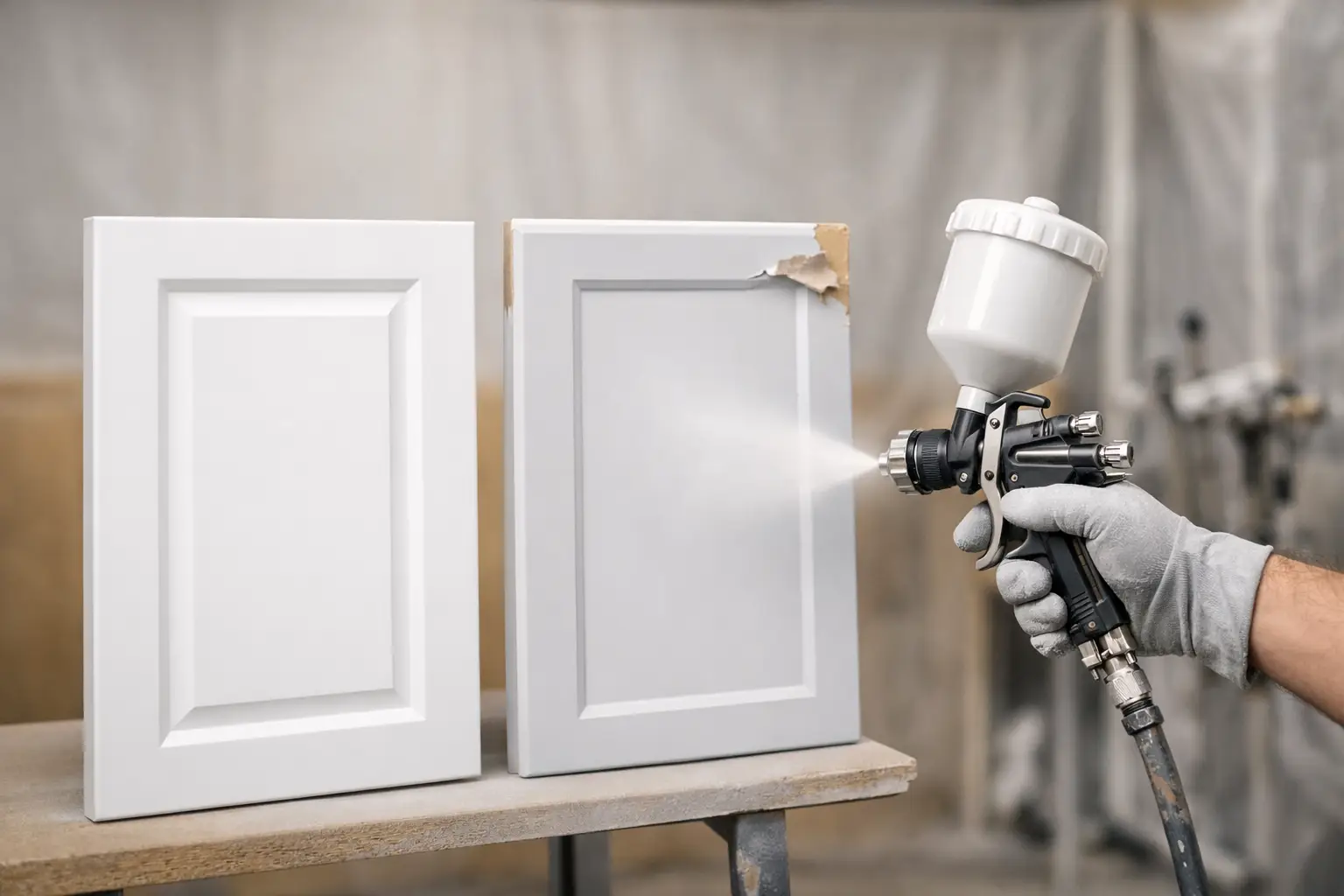
Keeping existing cabinetry, for example, can dramatically reduce waste while still giving you a “brand new” look. A professional respray changes the entire feel of a room without the demolition, dust, and delays of a full rip-out. It also tends to be far kinder to your budget, which matters because sustainability is easier to stick with when it’s affordable.
There are trade-offs, of course. If units are swollen from water damage, poorly fitted, or the layout is genuinely unworkable, saving them may be false economy. The sustainable choice is the one that lasts; sometimes that means repairing and upgrading, and sometimes it means replacing only the elements that have reached end-of-life.
The kitchen: the biggest impact with the least disruption
Kitchens consume an outsized share of renovation budgets—and renovation waste. They’re also the area where small choices add up quickly.
Respraying vs replacing: what makes it “eco”
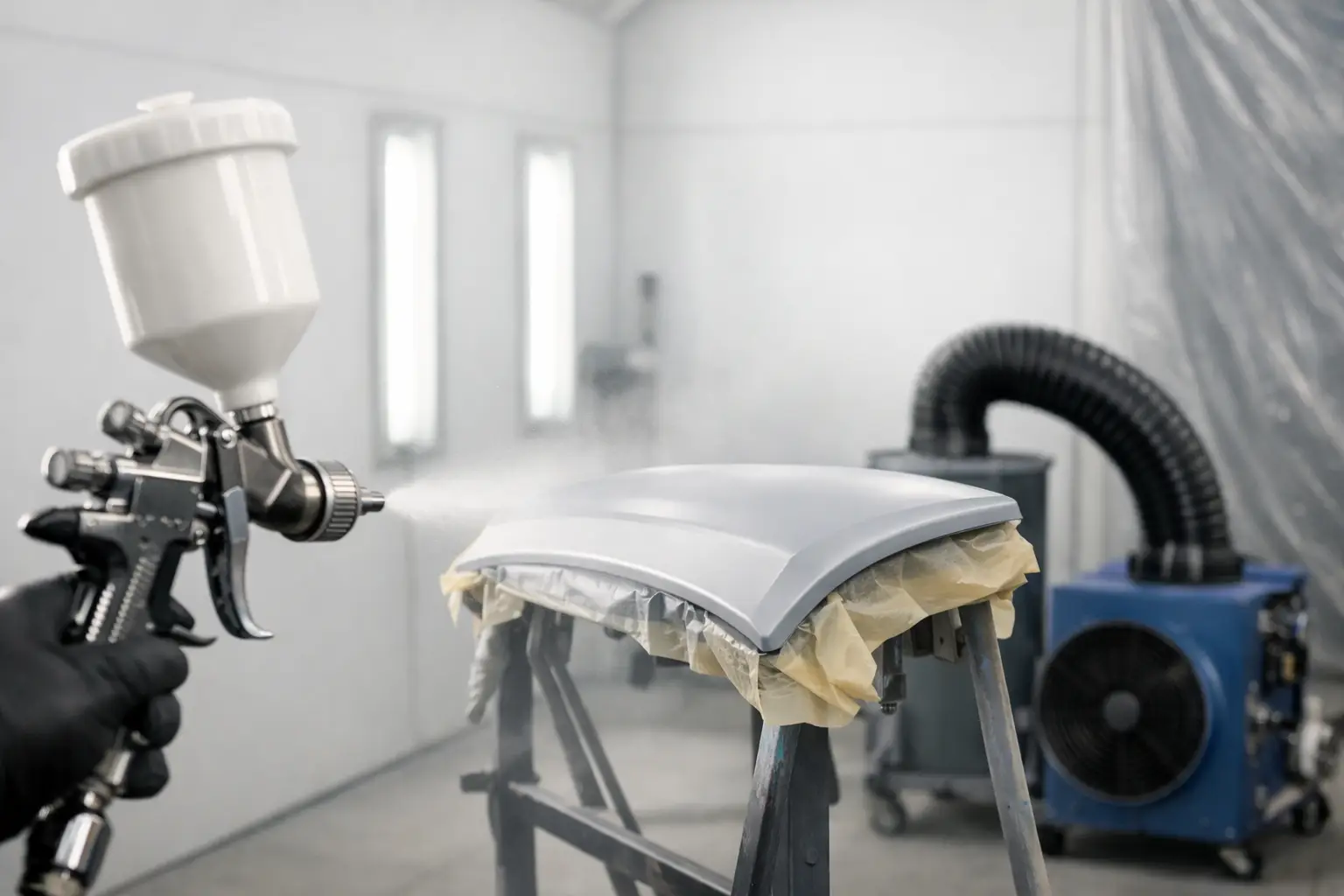
A respray works best when your cabinet doors and frames are structurally good but visually dated. Think worn varnish, yellowing painted doors, scuffs, or a style that no longer suits the rest of the house. You can update the colour, sheen, and overall finish while keeping the underlying materials in place.
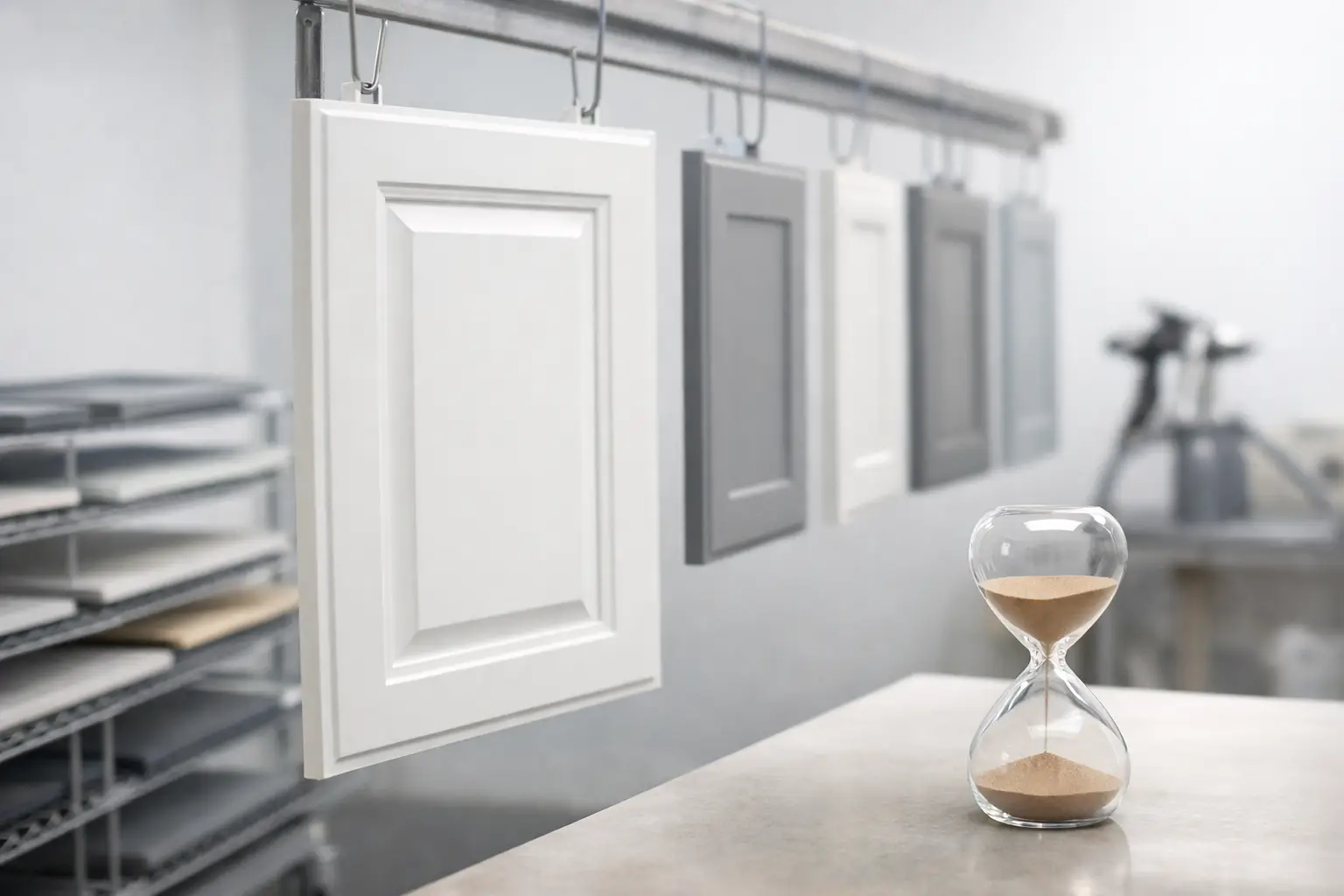
From an environmental point of view, the key benefits are straightforward: fewer new products manufactured, less transport, and far less material sent to landfill. From a practical point of view, it’s also quicker, meaning your home is disrupted for days rather than weeks.
If you’re exploring this approach locally, a trusted specialist such as Dublin Kitchen Respray focuses specifically on durable kitchen and cabinet finishes designed to extend the life of what you already have.
Worktops and surfaces: choose durability over trends
Worktops are often replaced for cosmetic reasons, but not every surface is “finished” just because it looks tired. If your existing top is structurally sound, resurfacing or a specialist finish can be a sensible compromise.
When you do need a new worktop, prioritise longevity and repairability. Natural stone can last decades but has a higher embodied carbon due to quarrying and transport. Some engineered surfaces can be durable too, but you’ll want to check whether they can be refinished if scratched. Timber offers warmth and can be re-sanded, but it needs the right sealing—especially in a busy family kitchen.
In other words, “eco” is often less about the label and more about how long the surface will stay in service in your home.
Appliances: don’t replace unless the numbers stack up
It’s tempting to swap every appliance for the newest energy rating, but the greenest appliance is not automatically the newest one. If your fridge or dishwasher is relatively modern and working well, the environmental cost of manufacturing a replacement can outweigh the savings from slightly lower electricity use.
Where upgrades are usually worth it is with very old, inefficient machines, or if a unit is failing and repairs don’t make sense. If you do replace, look for efficiency, repair-friendly brands, and correct sizing. An oversized American-style fridge-freezer in a smaller household often wastes energy simply because it’s too big.
Materials: healthier air, fewer headaches
Eco-friendly renovations shouldn’t just be about the planet; they should also be about the home you breathe in every day.
Paints and finishes: low odour, low VOC
Many homeowners in Dublin have experienced the lingering smell after painting. That’s often linked to VOCs (volatile organic compounds), which can affect indoor air quality. Choosing low-VOC paints and professional-grade finishes can reduce odour and improve comfort—particularly important if you’re renovating while living at home.
Durability matters here too. A finish that chips easily leads to rework, and rework is waste. In high-touch areas like kitchen doors, skirting boards, and hallways, choose products designed for wear.
Flooring: think lifecycle, not fashion
Flooring is a classic “rip it all out” category, but it pays to pause. If you have timber floors under carpet, restoring them is often both beautiful and lower-waste than installing new boards. If you’re replacing, look at longevity, ease of repair, and how it’s installed. Click systems can allow individual boards to be swapped; fully glued floors can be harder to repair and may generate more waste later.
Some materials are marketed as green but perform poorly in real Irish homes—particularly in damp-prone areas. A floor that warps or lifts within a few years is not sustainable, no matter how virtuous it sounded at the showroom.
Energy upgrades: where “eco” pays you back
A stunning finish is satisfying, but energy efficiency is where eco-friendly home renovations can turn into ongoing savings.
Insulation and draught-proofing first
Before you invest in big-ticket systems, make sure the basics are right. Insulation and draught-proofing typically deliver the most reliable comfort improvements per euro spent. Warm air escaping through lofts, gaps, and poorly sealed doors is money leaving the house.
It’s not glamorous work, but it changes how your home feels. Rooms heat faster, temperatures hold longer, and the whole place becomes more consistent.
Heating systems: it depends on the house
Heat pumps can be a strong option, but they’re not a magic wand. They work best in well-insulated homes with good airtightness and appropriately sized radiators or underfloor heating. If the house is draughty and under-insulated, a heat pump may struggle, and the running costs may disappoint.
For some homes, improving insulation and controls on an existing system first is the more sustainable step. Smart thermostats, zoning, and proper balancing can reduce waste without replacing the entire setup.
Waste, deliveries, and the less obvious emissions
Sustainability isn’t only about the materials you choose; it’s also about how the work is carried out.
A renovation that involves multiple deliveries, partial orders, and last-minute changes creates avoidable transport emissions and packaging waste. A professional team that measures carefully, plans properly, and finishes to a high standard reduces the “do it twice” problem.
If you’re clearing out old fittings, try to keep items in use: sell, donate, or repurpose where possible. Even better, design with standard sizes in mind so future repairs and replacements don’t require custom work.
How to plan eco-friendly home renovations without regret
A sustainable renovation plan should feel calm, not preachy. Here are a few principles we see consistently pay off.
Start with an honest audit. What’s broken? What’s merely dated? What irritates you day to day—storage, lighting, cleaning, noise? Solve those problems first, because you’re less likely to change your mind later.
Choose your “forever” elements and your flexible ones. Layout changes are disruptive and can create significant waste, so if your kitchen layout works, keep it. Use your budget on finishes that alter the look (doors, paint, handles, lighting) rather than structural upheaval.
Be realistic about timelines. The greener choice is often the one that avoids rushed decisions. When homeowners feel pressured, they buy whatever is available quickly, not what will last.
Finally, remember that eco-friendly doesn’t mean perfect. It means better decisions, repeated over time. A respray now, improved insulation next year, and a carefully chosen appliance when the old one genuinely fails is a sensible path—and one that keeps your home enjoyable throughout the process.
A helpful way to think about it: every renovation is a chance to reduce future waste. Pick finishes you won’t be tired of in a year, choose quality where it gets heavy use, and keep what still deserves its place. Your home should look fantastic, feel comfortable, and make sense on the bills—without needing a skip outside to prove you’ve changed it.