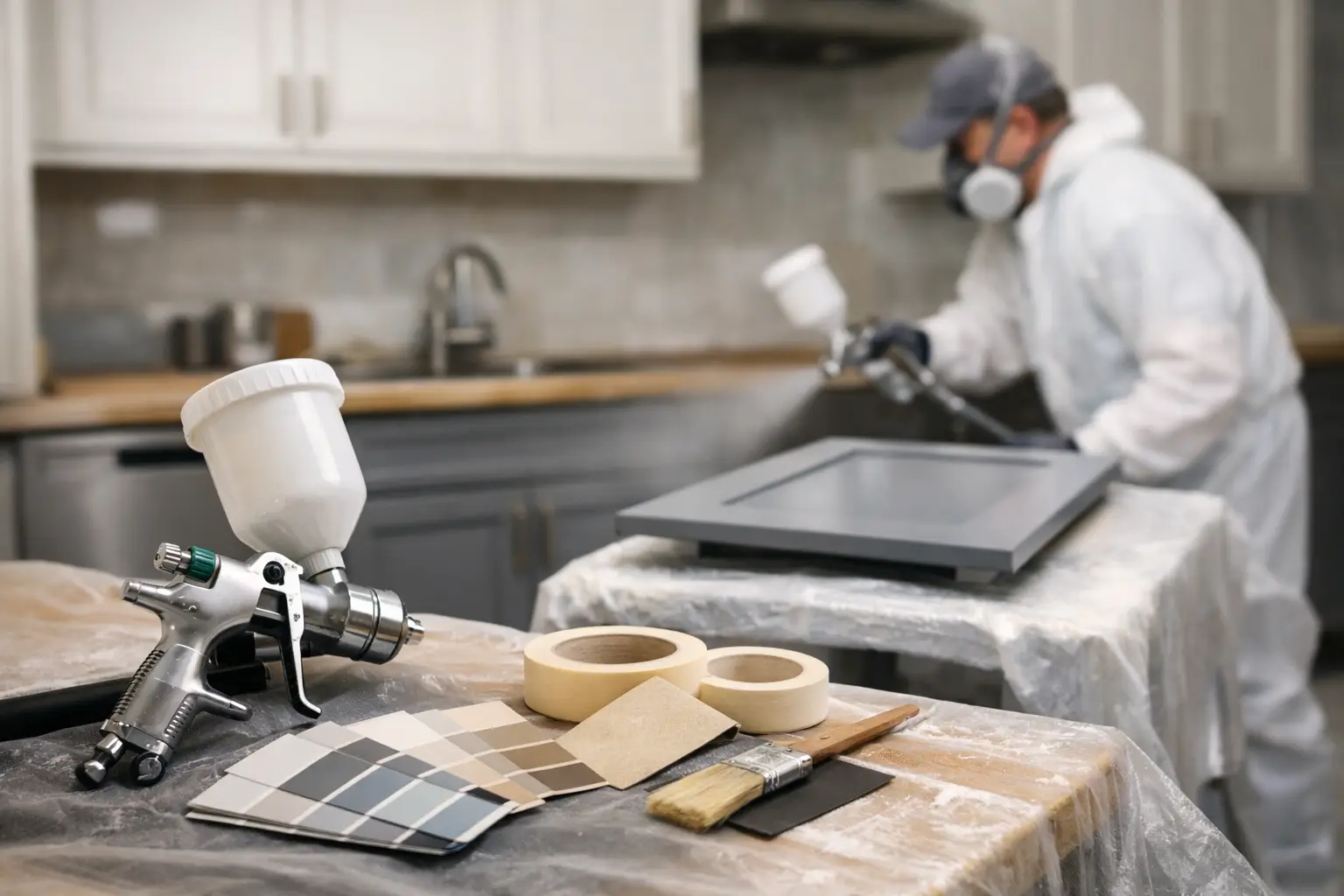
A worktop can date a kitchen faster than almost anything else. Oak-effect laminate from the early 2000s, worn dark surfaces that swallow light, or speckled patterns that once looked practical can make the whole room feel tired. That is why choosing the best worktop respray colours for kitchens matters so much – the right shade can brighten the space, modernise cabinetry and make the entire room feel more considered without the cost of replacement.
For many homeowners across Dublin and the surrounding counties, the challenge is not finding a colour they like in isolation. It is finding one that works with existing cabinets, flooring, splashbacks and natural light. A worktop is a large visual surface, so its colour has a strong effect on how clean, spacious and current a kitchen feels.
How to choose the best worktop respray colours for kitchens
The best colour is rarely about trends alone. It depends on the size of the kitchen, the amount of daylight, and the finish on your cupboards. A compact kitchen in a Dublin semi-detached home may benefit from a lighter, more reflective tone, while a larger open-plan space can carry deeper colours with more confidence.
It also helps to think about contrast. If your cabinets are painted in a soft white or light grey, a medium or darker worktop can give the room structure. If your cabinetry is already dark, a pale stone-inspired finish often keeps the space balanced. Too little contrast can leave the kitchen looking flat. Too much can make it feel disjointed.
Practicality matters as well. Families often ask for colours that disguise crumbs, water marks and everyday wear. Pure white can look crisp, but it may show more than a softly flecked stone effect. Very dark finishes can feel dramatic and expensive, though they may reveal dust and streaks more readily in busy kitchens.
Light stone tones remain a safe favourite
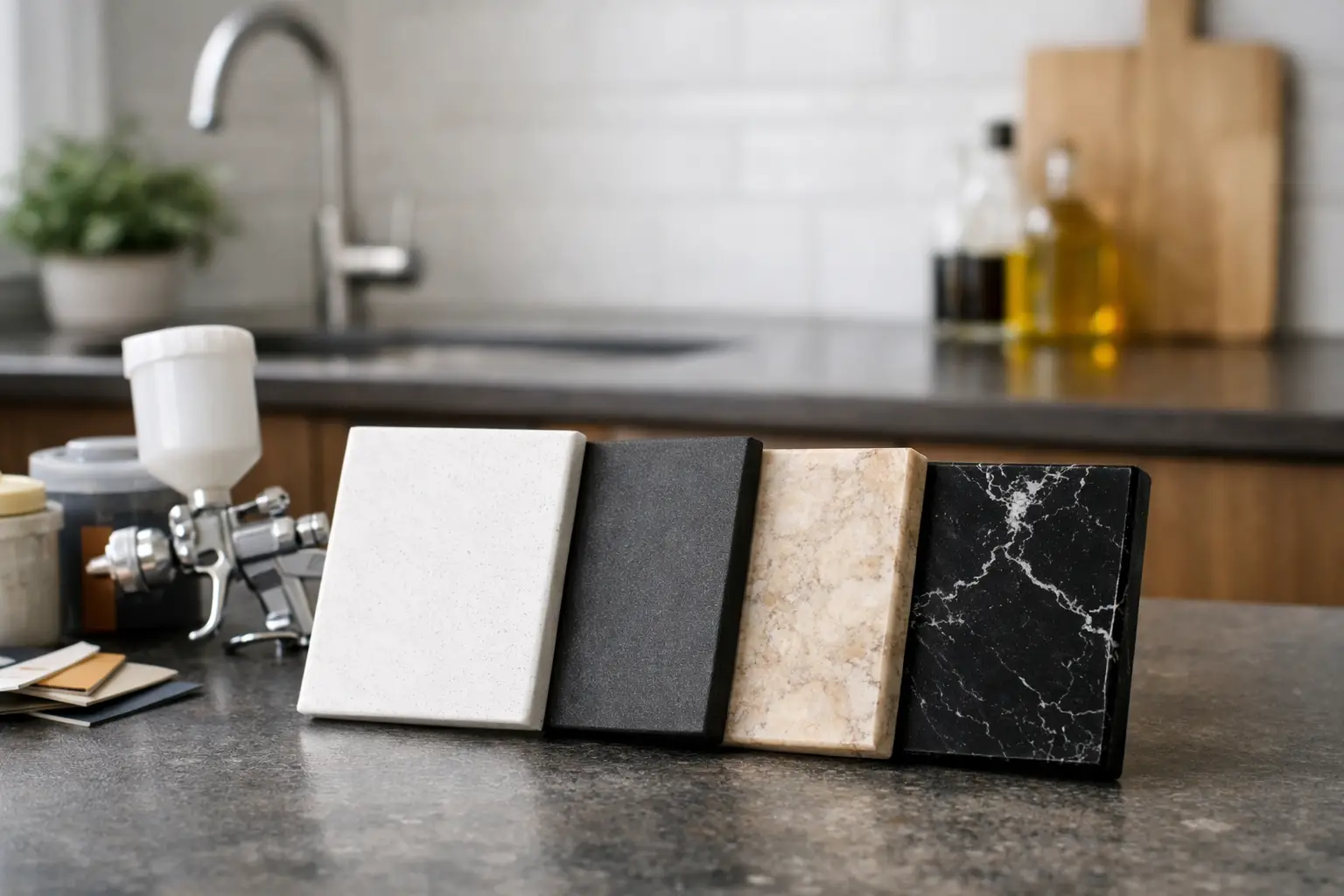
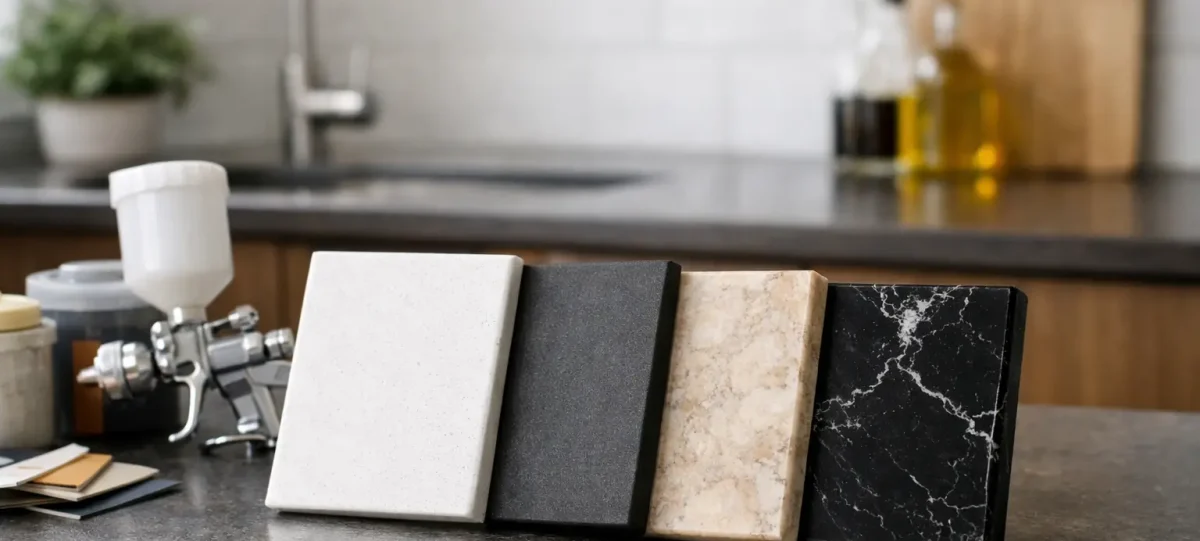
Light grey, soft beige and off-white stone effects remain among the most popular choices for good reason. They suit a wide range of cabinet colours, from classic cream to modern navy, and they tend to make kitchens feel brighter and more open.
A light granite-style finish is especially effective if your goal is to refresh rather than completely reinvent the room. It gives a cleaner, more contemporary look while still feeling timeless. This is often the right choice for homeowners who want their kitchen to add value and appeal broadly, rather than follow a short-lived fashion.
There is also a practical advantage. Mid-light stone finishes with subtle variation are forgiving. They do not highlight every mark, and they soften the look of older cabinetry and tiles. If you are updating several surfaces at once, they also give you more flexibility with wall colours and accessories later.
Best for smaller or darker kitchens
If the room lacks natural light, pale granite tones, warm greys and light taupe are usually the strongest options. They reflect more light than deep charcoal or black and help reduce that closed-in feeling. In galley kitchens or narrower layouts, this can make a noticeable difference.
That said, very cool pale greys can sometimes feel stark under certain artificial lighting. In homes with warmer bulbs or cream floor tiles, a warmer stone effect often feels more comfortable and more natural.
Mid-grey worktops offer balance
Mid-grey sits in a particularly useful middle ground. It is modern without being severe, stylish without becoming difficult to live with, and practical for households that actually use the kitchen heavily.
For customers who want a cleaner, updated look but are nervous about going too dark, mid-grey is often the answer. It pairs beautifully with white, cashmere, sage green and even darker cabinet colours. It also works well in both contemporary kitchens and more traditional shaker layouts.
Another reason grey remains relevant is that it lets other features stand out. If your handles, tap, tiles or island lighting are key design elements, a balanced grey worktop supports them rather than competing with them.
Dark colours can look striking – in the right kitchen
There is no doubt that dark grey, graphite and black-inspired finishes can look stunning. They bring depth, contrast and a premium feel, especially when paired with lighter cabinets. In larger kitchens, they can create a smart architectural effect that feels very current.
But dark worktops are not automatically the best choice for every home. In a kitchen with limited daylight, they may make the room feel heavier. They can also show smears, dust and limescale more clearly, which is worth thinking about if you want a low-maintenance finish.
When dark respray colours work best
Dark worktops usually perform best where there is good natural light, enough floor space, and cabinetry that benefits from stronger definition. White or pale grey doors paired with a charcoal or black stone-effect worktop can look crisp and expensive. Navy units can also work well with darker surfaces, though it helps to introduce warmth elsewhere through flooring, timber shelving or brass details.
If you like the drama of a dark worktop but worry it may be too much, a softer graphite with a stone texture often gives the same sophistication with a slightly more forgiving finish.
Warm neutral tones are becoming more popular
For years, many kitchens leaned heavily into cool greys. Now, warmer neutral shades are coming through more often, and for good reason. Soft taupe, warm greige and sand-toned stone finishes can make a kitchen feel more welcoming while still looking fresh and refined.
These colours are especially effective in homes with cream tiles, oak flooring or warmer wall tones. They avoid the coldness that some grey schemes can create, yet still deliver a clean, modern result. For homeowners who want a kitchen that feels bright but not clinical, warm neutrals are often the strongest option.
They also sit comfortably between classic and contemporary. That makes them a sensible long-term choice if you want the room to age well.
Matching worktop colours to cabinet colours
One of the most common mistakes is choosing a worktop colour without thinking about the doors beside it. Worktops and cabinets need a relationship. They do not need to match, but they should complement one another.
White cabinets give you the most freedom. Light stone, mid-grey and dark graphite can all work, depending on the mood you want. Grey cabinets usually pair best with warmer stone effects or slightly deeper greys that create enough distinction. Navy or dark green cabinets often benefit from lighter worktops to keep the overall look balanced.
If your kitchen has timber tones, either in flooring or decorative features, stone-inspired finishes with gentle warmth often feel more natural than icy greys. The aim is not to chase a showroom look that feels detached from the rest of your home. It is to create a kitchen that feels coherent and easy to live in.
Why texture matters as much as colour
When people talk about colour, they often forget finish. A flat block of colour can look plain on a worktop, while a subtle granite or stone effect adds interest and realism. This is one reason spray granite finishes are so effective – they create depth and visual texture rather than a one-dimensional surface.
Texture also helps with practicality. Slight variation in tone tends to be more forgiving than a completely uniform finish, especially in family kitchens where worktops see constant use. It can disguise minor marks better and gives a more premium, natural appearance.
At Dublin Kitchen Respray, this is often where customers see the biggest difference. The right textured finish does not just change the colour of the worktop. It changes how the whole kitchen feels.
The colours that tend to age best
If you are investing in a respray, it makes sense to choose a colour you will still like in five or ten years. Soft stone whites, warm greys, taupe-based neutrals and balanced mid-greys tend to have the most staying power. They are adaptable, easy to style and less likely to feel tied to a specific trend.
Very bold choices can look impressive at first, but they are more dependent on the rest of the scheme. That does not mean they are wrong. It simply means they work best when the room has enough space, light and design confidence to carry them.
The most successful kitchens are rarely built around the most fashionable shade of the moment. They are built around proportion, light and finishes that work together.
A good worktop colour should make your kitchen feel brighter, cleaner and more up to date the moment you walk in. If you are weighing up options, start with the room you already have, not the trend you saw last week. The right respray colour should suit your home, your routine and the way you want the kitchen to feel every day.