A kitchen can look tired long before the cabinets are actually worn out. That is why one of the most common questions homeowners ask is, how long does cabinet respray last? It is a fair question, especially if you want a finish that looks stunning now and still feels like good value years from today.
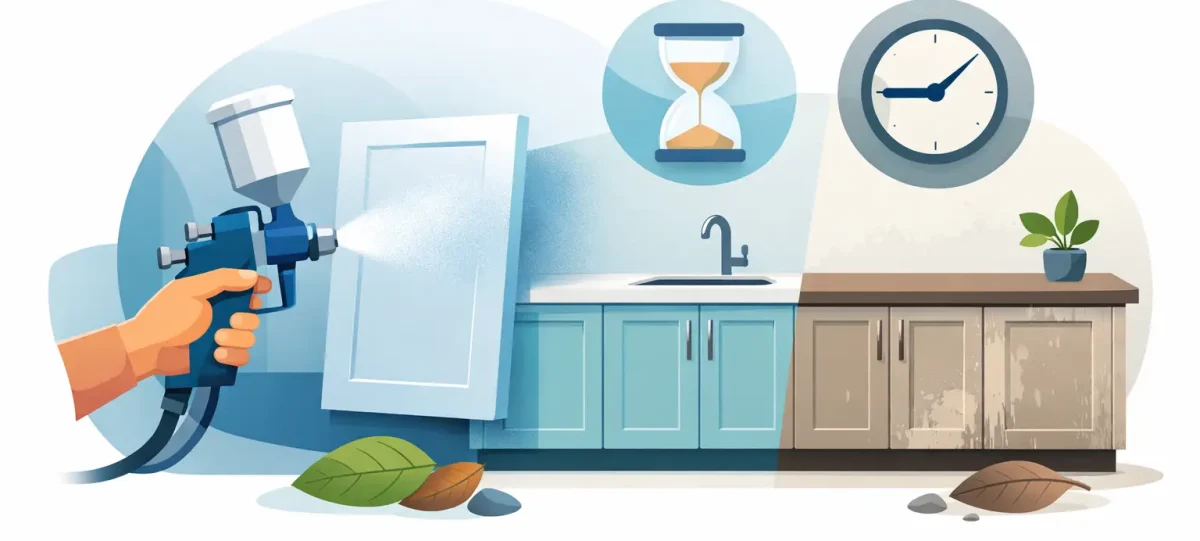
The short answer is that a professional cabinet respray can last anywhere from 8 to 15 years, and in many homes even longer with the right preparation, products and aftercare. The bigger truth, though, is that durability depends less on the idea of respraying itself and more on how well the job is done. Surface preparation, spray quality, daily use and cleaning habits all play a part.
How long does cabinet respray last in a real home?
In everyday family kitchens, a professionally resprayed cabinet finish should comfortably give you many years of smart, reliable performance. For most households, 8 to 15 years is a realistic range. In lower-traffic spaces, such as utility rooms or wardrobes, the finish may stay in excellent condition for even longer.
That range can sound broad, but kitchens vary enormously. A busy home with young children, pets and constant cooking puts more strain on cabinet doors than a kitchen used lightly by one or two adults. The finish near the bin cupboard, kettle area and main drawer stacks will always work harder than cabinets on the far side of the room.
This is why a trustworthy answer is never just a number. A respray is not a factory-fitted replacement door, but when carried out by experienced professionals using specialist coatings, it can deliver a durable, attractive surface that stands up extremely well to daily life.
What affects how long a cabinet respray lasts?
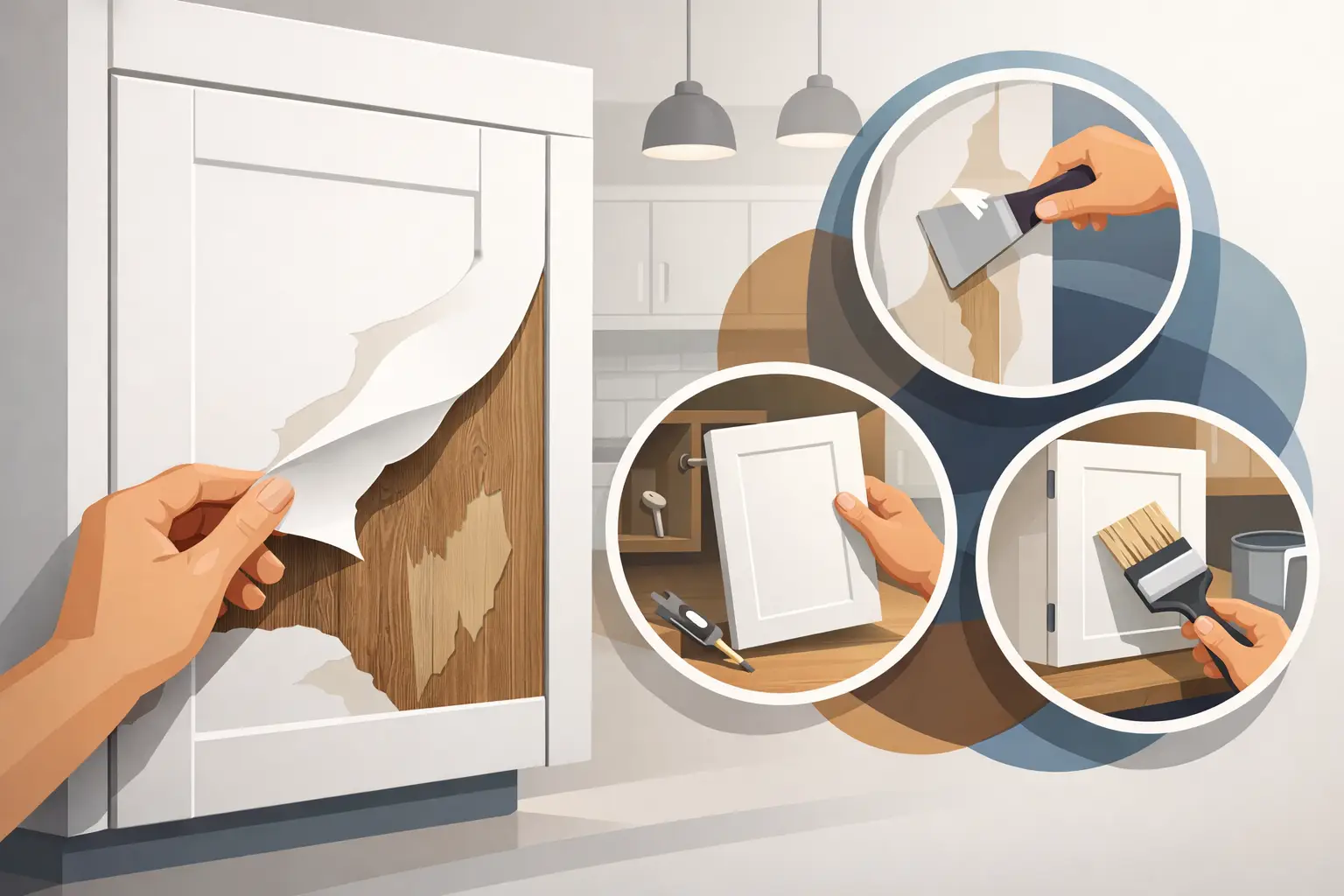
The biggest factor is preparation. If grease, silicone residue, old polish or cooking film are not fully removed, paint adhesion suffers. The cabinet may look perfect on day one but begin to chip or lift far sooner than it should. Proper degreasing, sanding and priming are what give a finish its staying power.
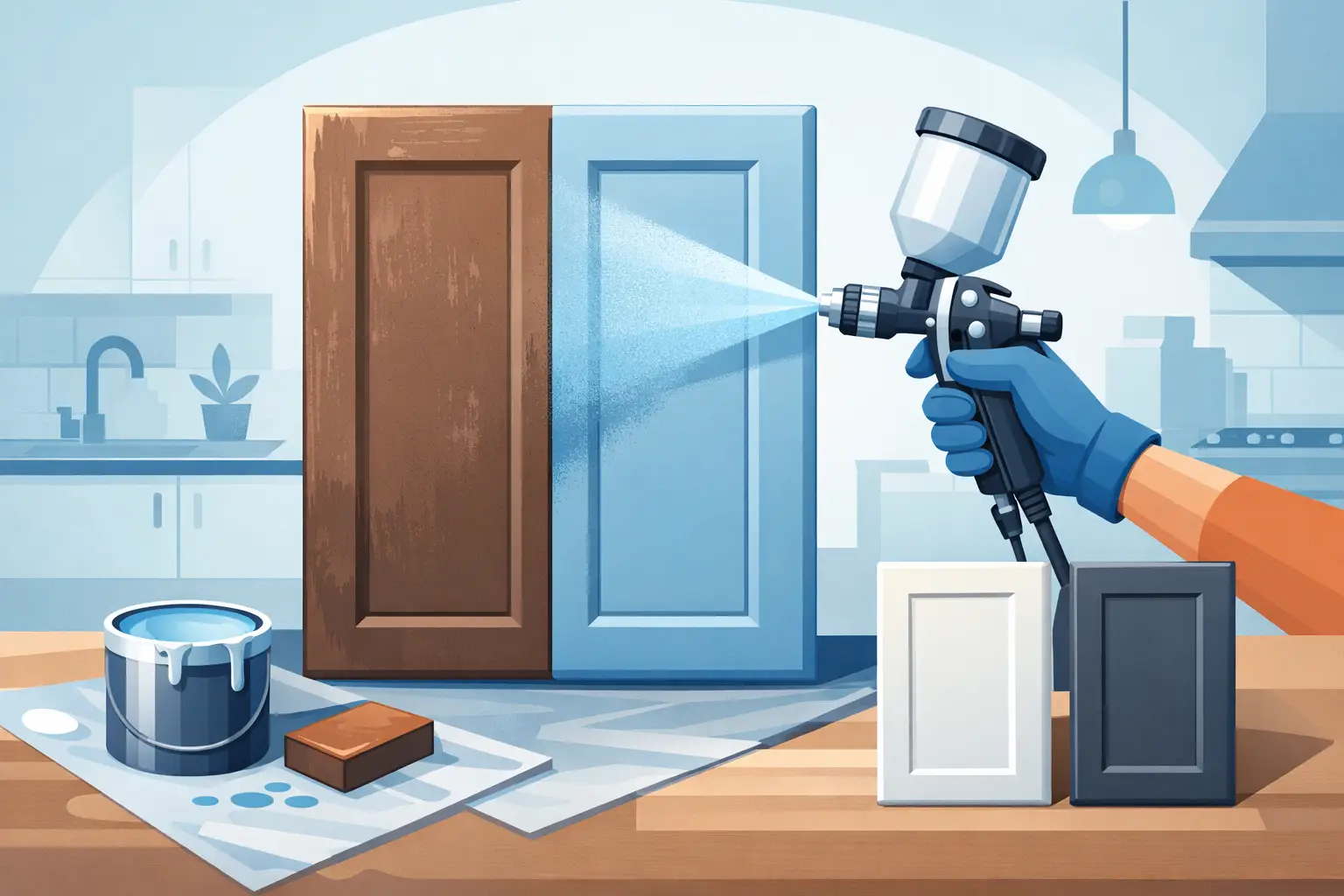
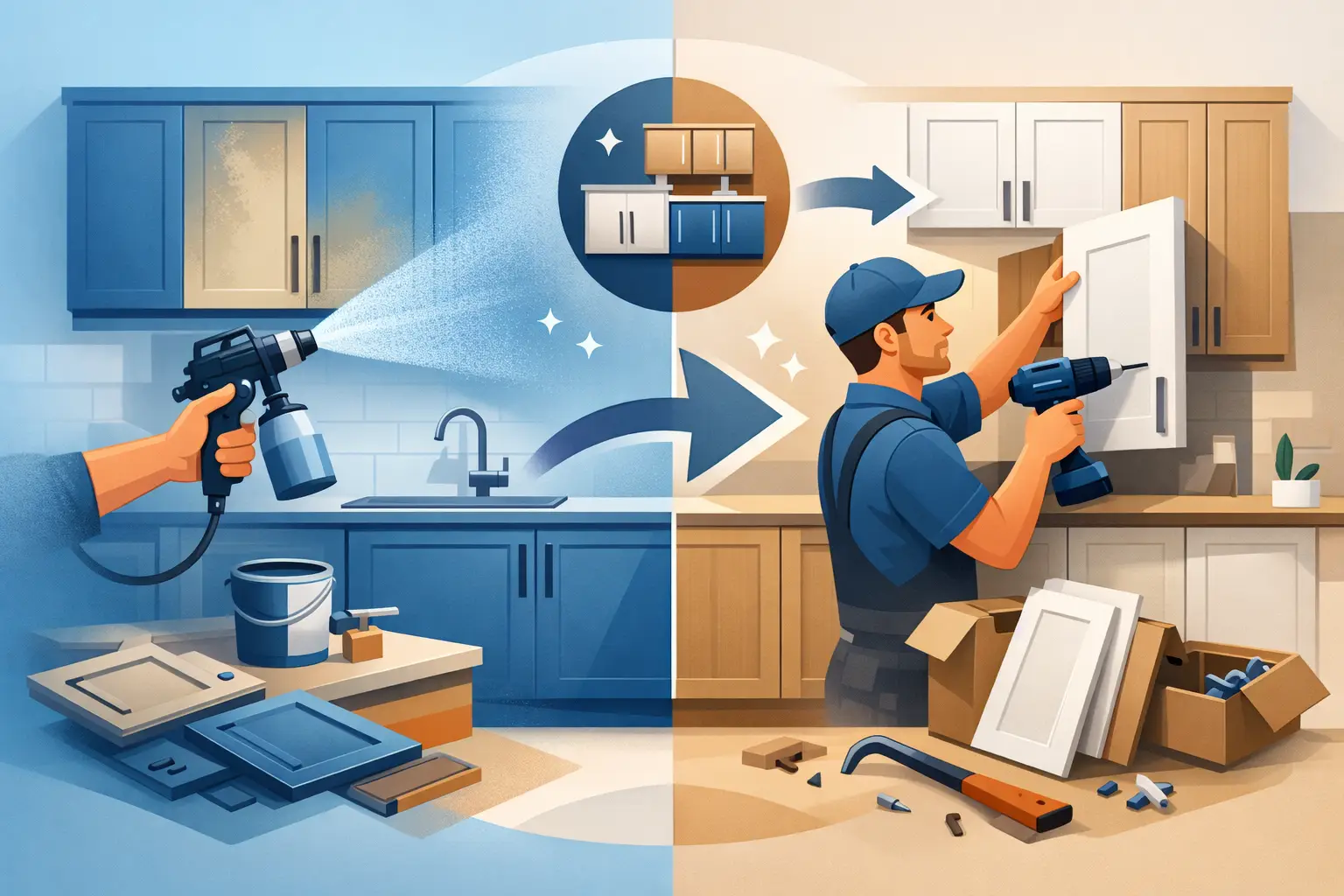
The second factor is the coating system itself. Professional spray finishes are designed to cure into a hard, resilient surface. They are very different from standard wall paint or quick DIY furniture paint. High-quality coatings are made to resist knocks, moisture and routine cleaning, which is exactly what kitchen cabinetry faces.
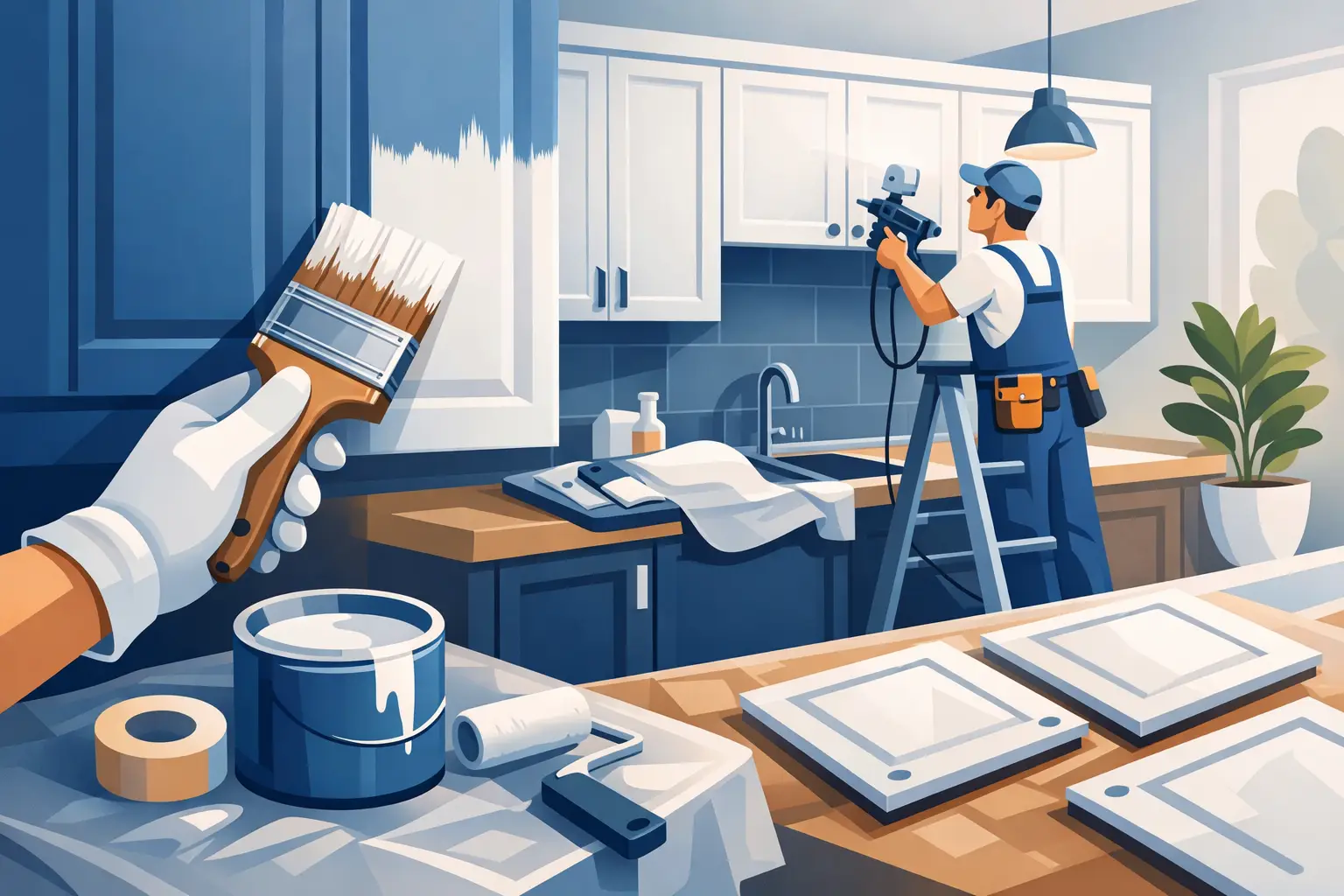
Application method matters as well. A controlled spray application gives an even, bonded finish with better consistency across edges, grooves and flat panels. Thick brush-applied coatings can sometimes look fine at first but wear unevenly over time, especially around handles and corners.
Then there is curing time. Cabinets may feel dry quickly, but that does not mean the finish has fully hardened. A professionally managed process allows the coating to settle and cure properly, helping it resist scuffs and marks once back in regular use.
Finally, the original condition of the cabinets makes a difference. Solid, well-maintained cabinet doors are ideal for respraying. If the substrate is swollen from water damage, delaminating or structurally poor, no coating will turn it into a long-term success. In those cases, honest advice matters more than a sales pitch.
Professional respray vs DIY – the lifespan difference
This is where many expectations rise or fall. A professional cabinet respray is built around preparation, product choice and technique. A DIY paint job is often built around speed, convenience and whatever is available from the local shop.
That does not mean every DIY attempt fails, but the expected lifespan is usually much shorter. Brush marks, weaker adhesion and soft finishes are common problems. Areas around handles often wear first, followed by lower cupboards that take regular knocks from shoes, bags and hoovers.
A professional finish generally lasts longer because it is designed as a system rather than a single coat of paint. That includes cleaning, abrasion, primer, topcoat and curing. When each stage is handled properly, the result is not just more attractive but more dependable.
For homeowners weighing up value, this is the real comparison. It is not only what you spend today. It is whether the finish still looks fresh and professional five, eight or ten years down the line.
Signs a cabinet respray is built to last
There are a few clear indicators that a finish has been done to a high standard. The surface should feel smooth and even, without thick ridges, drips or rough patches. Edges should have good coverage but not look heavy. The colour should appear consistent in daylight, especially across neighbouring doors.
Durability also shows in the details. Hinges and hardware should be removed or carefully masked. The insides of cabinets are usually discussed clearly from the start, so expectations match the final result. Most importantly, the company should be able to explain its preparation and coating process in plain language.
Trusted specialists do not rely on vague promises. They talk about adhesion, curing, finish type and realistic care instructions. That level of transparency usually says a lot about the quality of the work.
How to make a cabinet respray last longer
Even the best finish benefits from sensible care. The good news is that maintenance is simple. In most homes, regular wiping with a soft cloth and mild soapy water is enough to keep cabinets looking clean without damaging the surface.
Harsh chemicals are best avoided. Strong bleach, abrasive pads and aggressive degreasers can dull the finish over time. The same goes for scrubbing at marks with rough sponges. A gentle approach protects the sheen and keeps the painted surface looking crisp.
It also helps to manage moisture and heat. Cabinets beside ovens, kettles and sinks take more exposure than others. Wiping away condensation, steam and splashes before they sit for hours can make a noticeable difference over the years.
Handle use matters too. Doors opened by the edge rather than the handle tend to develop wear more quickly because natural oils from hands build up in one area. If your kitchen has handles or knobs, using them consistently helps spread contact where it is meant to be.
Small adjustments in daily use often preserve the finish better than people expect. Soft close hinges, sensible cleaning and quick attention to spills all help keep resprayed cabinetry looking newer for longer.
Does cabinet colour affect durability?
Not directly, but it can affect what you notice. Darker colours may show dust, grease smears or fine scratches more readily in bright light. Very light shades can reveal scuffs around high-touch areas. Mid-tones and satin finishes often strike the most forgiving balance for busy kitchens.
That is not a reason to avoid the colour you love. It simply means expectations should match the choice. A deep navy or charcoal kitchen can look striking and luxurious, but it may need a little more routine wiping than a soft taupe or warm grey.
Finish level matters here as well. A high-gloss surface can be dramatic and modern, but it tends to reveal fingerprints and minor imperfections more than a satin or matt finish. For many households, satin offers the best mix of elegance and practicality.
Is respraying still worth it if it will not last forever?
Nothing in a kitchen lasts forever, including brand-new replacements. Cabinet doors age, hinges loosen, worktops mark and trends shift. The question is not whether respraying lasts indefinitely. It is whether it delivers enough quality, lifespan and visual improvement to make financial and practical sense.
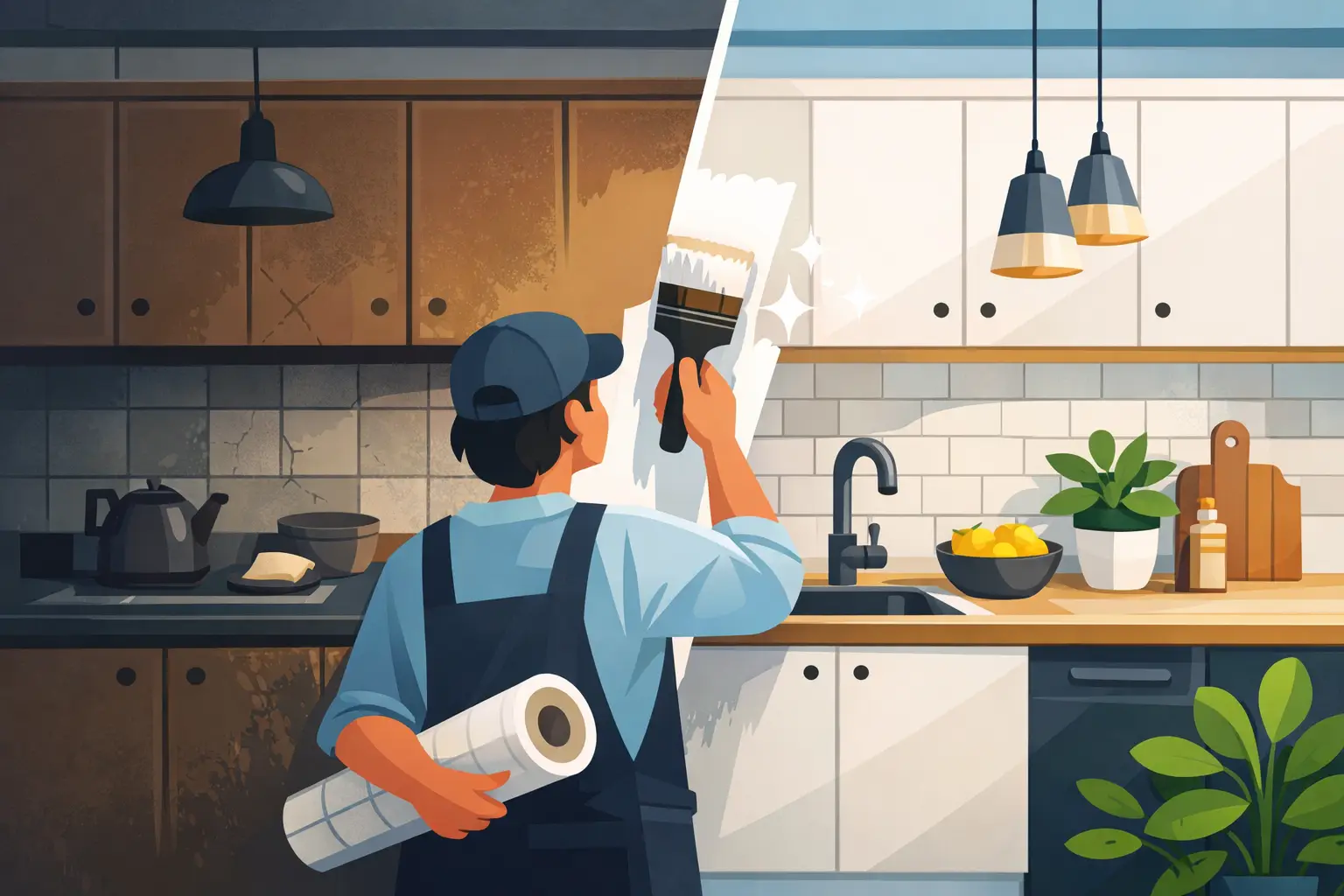
For many homeowners, the answer is yes. A professional respray gives existing cabinets a fresh lease of life without the cost, waste and upheaval of ripping out a full kitchen. If your units are structurally sound, respraying can be one of the most affordable ways to achieve a dramatic transformation.
It is also the more eco-friendly choice. Keeping good cabinetry in place reduces unnecessary waste and avoids replacing materials that do not need replacing. For households that want a smarter kitchen without a full renovation, that balance of value and sustainability is hard to ignore.
Companies with long experience in cabinet spraying, such as Dublin Kitchen Respray, understand that customers are not only buying a new look. They are investing in how that finish performs over time.
When might a cabinet respray not last as long?
There are cases where lifespan is shortened, and it is worth being realistic about them. Poor ventilation, heavy grease build-up and repeated impact can all wear a finish more quickly. Cheap previous repairs or unstable cabinet surfaces can also reduce durability.
Bathrooms, utility rooms and rental properties each come with their own demands. High humidity, rougher use or inconsistent cleaning can shorten the life of any painted surface. That does not mean respraying is unsuitable, only that the expected lifespan should reflect the setting.
A good provider will tell you this honestly. Professional advice is not just about saying yes to every job. It is about judging whether your cabinets are suitable and what kind of result you can reasonably expect.
If you are asking how long does cabinet respray last, the best answer is this: long enough to make a real difference, provided the work is done properly and the cabinets themselves are worth saving. A well-executed respray is not a temporary fix. It is a practical, attractive upgrade that can serve your kitchen beautifully for years, and that is often exactly what a home needs.